
 11TH ANNIVERSARY


This guide shows how swapping loungewear fabrics can fine-tune your indoor comfort so you feel cooler or warmer without constantly changing the thermostat.
Switching from heat-trapping synthetics to breathable, moisture-smart fabrics can make you feel noticeably cooler or warmer indoors without touching the thermostat. Once you match your loungewear material to your home climate and your body’s quirks, your couch outfit becomes its own temperature control system.
Sweating through your cute lounge set one minute and shivering in it the next, even though the thermostat has not moved an inch, is usually a fabric problem, not a you problem. After rotating through clingy polyester sets, breezy hemp and cotton blends, and plush winter knits in real bedrooms and living rooms, the difference in fabric alone has meant going from damp and cranky to dry and snug in the same room. You are about to get a no-nonsense guide to which materials cool you down, which ones keep you toasty, and how to build a small mix-and-match lineup that works with your body, not against it.
Your Loungewear = Your Personal Climate System
Your body is not being “extra” when you feel too hot or too cold indoors; your clothes are literally creating a tiny climate around your skin. Comfort-focused brands explain that breathable, well-chosen loungewear helps your body regulate temperature by letting heat and moisture escape instead of trapping them right against you, so your “microclimate” stays stable enough for real relaxation instead of constant fidgeting and sheet-flinging at night. Hot-weather and loungewear fabric guides also agree that breathability, moisture management, and fabric weight matter more than the style name on the tag.
Think of three levers you can pull just by changing fabric, before you ever argue with the thermostat again. Breathability controls how much air moves through your top and bottoms. Moisture handling controls whether sweat gets pulled away and dries or just sits there making you clammy. Insulation controls how much warm air your clothes trap around your body. Every fiber type you choose pushes one of those levers up or down.

If You Run Hot Indoors: Fabrics That Cool You Down
If you are always kicking off blankets, sleeping with one leg out, or peeling your bra off before you even lock the front door, your loungewear needs to move heat and sweat away from your skin fast.
Everyday warm, not drenched: cotton, linen, and light blends
For mild overheating, breathable natural fibers are your first stop. Loungewear guides describe cotton as soft, breathable, and easy for everyday sets, while linen is light, airy, and especially helpful in warm rooms because it lets air circulate and absorbs sweat without clinging. Fabric roundups for cozy nights and seasonal loungewear advice both push these fabrics for people who run warm, especially in spring and summer.
The pros are simple. Cotton and linen are affordable, easy to wash, and feel familiar. A loose cotton or linen lounge dress or shorts set lets warm air flow and keeps sweat from sitting on your skin. The honest downside is this: for truly sweaty bodies or night sweats, plain cotton can soak up moisture and stay damp, and linen can feel a little rough until it softens with washes. If your thighs or under-bust area do more than glisten, you may need fabrics that actually move moisture away, not just absorb it.
Real-life example: If your apartment sits around 72–75°F but you feel sticky in thick cotton sweatpants, swap them for a lightweight cotton or cotton-linen short with an oversized tee. Same thermostat, same sofa, but the air moving around your legs will make you feel noticeably cooler without you having to strip down to underwear.

Serious night sweats: hemp, smart cellulosics, and performance-minded blends
If you are waking up soaked, perimenopausal, or just a very hot sleeper, fabric choice can make or break your night. A brand focused on night sweats highlights hemp and hemp–organic cotton blends because the fiber has a hollow, porous structure that pulls sweat away quickly and helps it evaporate instead of leaving you damp and chilled. It also holds just enough warmth after a hot flash passes so you do not get that icy crash. That same source warns that traditional cotton and polyester trap both heat and moisture and can make sweating episodes feel worse rather than better. Night-sweat-focused fabric advice is very blunt about avoiding polyester and most bamboo or viscose if you are truly drenched.
Other sleepwear guides that compare cotton, modal, bamboo, linen, and silk explain that modal and bamboo can absorb more moisture than standard cotton and stay soft and breathable, making them strong options for hot sleepers when blended with cotton. They also reference research showing that inappropriate fabrics can disrupt your body’s natural nighttime temperature drop and fragment your sleep, so moisture management is not just a comfort preference; it affects rest itself. Hot-sleeper fabric recommendations nudge hot sleepers toward bamboo, modal, and certain cotton blends over synthetics.
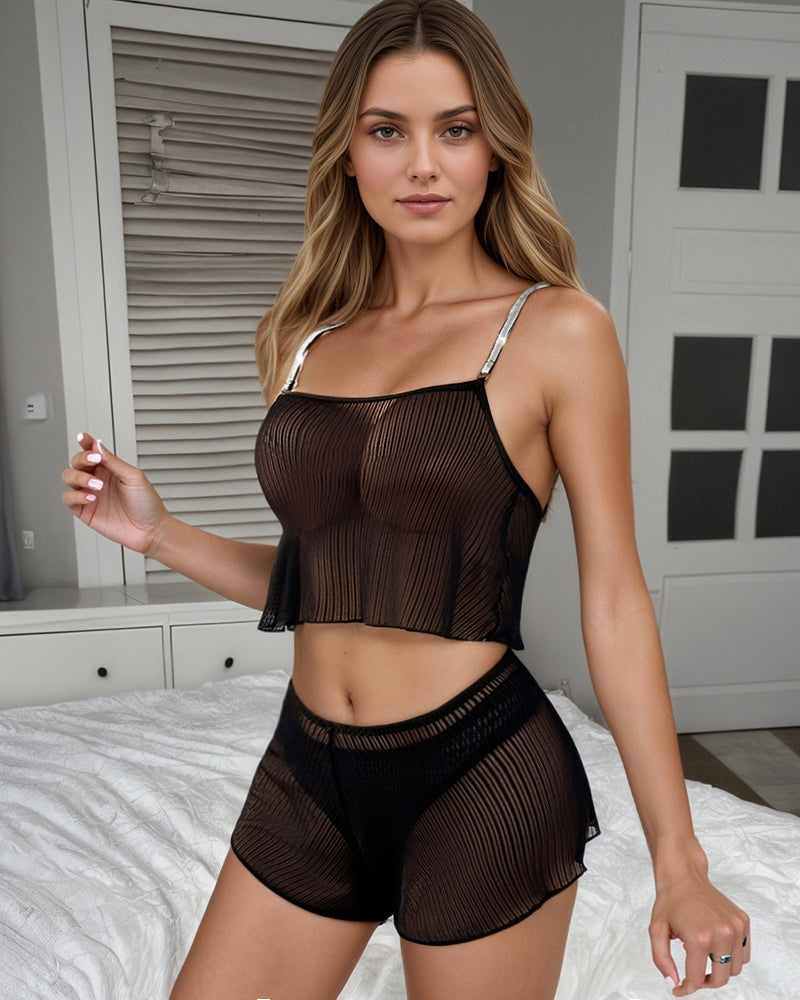
Taken together, the message is that blends matter. If your bedroom is warm and your body runs even warmer, try this swap: replace a clingy polyester cami-and-shorts set with a loose hemp–cotton or bamboo–modal T-shirt dress. The first traps sweat and sticks to your curves; the second lets sweat move away and evaporate while the fabric stays soft and drapey over your body.

Sexy but cool: silk and satin that do more than look pretty
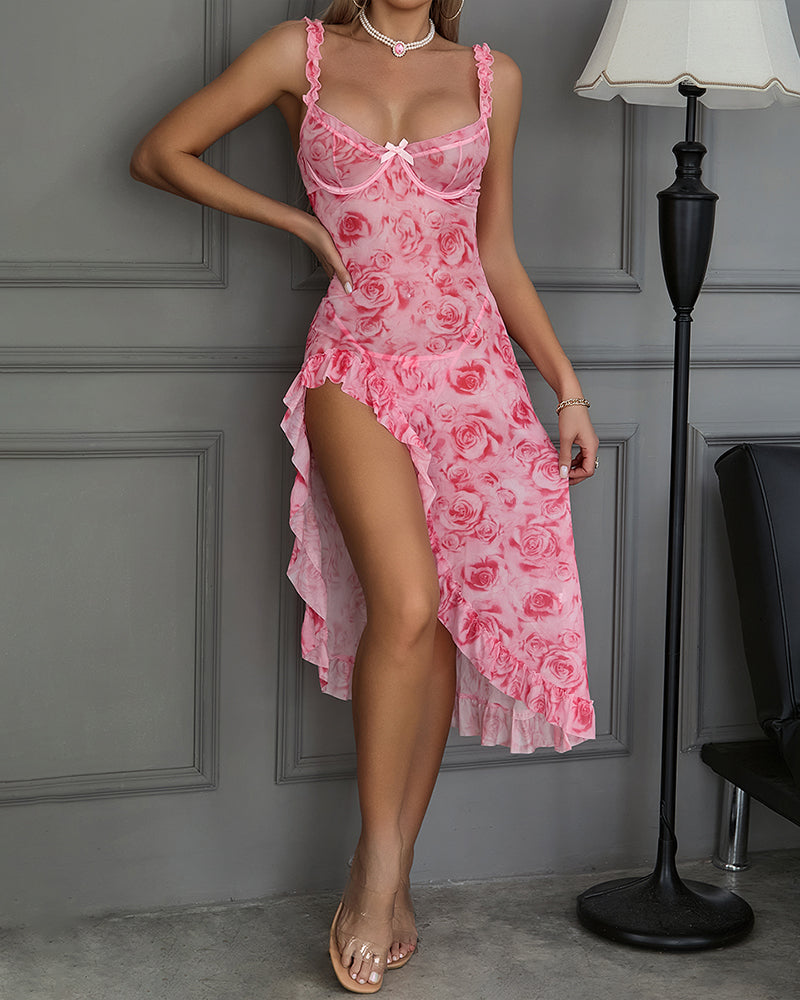
If you want to feel romantic without turning your bedroom into a sauna, you can have both. Silk and satin are frequently described as smooth, breathable, and surprisingly good at helping your body handle both warmth and cool nights, which is why they keep showing up in “luxury but practical” loungewear recommendations for summer and transitional seasons. Even more pragmatic guides note that silk can help regulate temperature across seasons and that satin, while all about the glossy look, can still be comfortable for long wear when the base fiber is breathable.
The pros are obvious: silk and quality satin glide over your skin, feel indulgent, and can keep you from overheating as quickly as polyester. The cons are cost and care; most silk chemises and robes need gentle washing and cannot be treated like your old cotton tee. Use silk or a breathable satin slip on days you want to feel extra but still need some cooling power, and save the heavy synthetic satin sets for short, dramatic moments, not all-night lounging.
If You Are Always Cold Indoors: Fabrics That Hold Warmth Without Suffocating You
If you live with someone who loves ice-cold AC or you just tend to run chilly while you work from the couch, the right fabric can wrap you in warmth without turning you into a sweaty burrito.
Brushed knits, fleece, flannel, and cozy robes
Cold-weather loungewear advice leans heavily on brushed or textured knits, flannel, and fleece because they trap warm air while staying soft on the skin. Seasonal fabric guides highlight brushed back satin, textured knits, and fleece robes as star players for fall and winter lounging, designed to provide noticeable insulation while still breathing enough for long wear. A seasonal breakdown of loungewear fabrics walks through how brushed interiors, terry loops, and fleece piles all add gentle warmth indoors.
Soft-fabric guides also describe fleece and flannel as engineered or finished to feel plush and insulating, making them ideal for hoodies, joggers, and robes when you want a “couch cocoon.” Roundups of the softest fabrics to wear explain that fleece mimics wool’s warmth while being light and easy-care, and flannel, usually brushed cotton, gives that classic fuzzy feel.
In practice, that might look like this: if you are freezing in a thin cotton knit set at 68°F, throw on a fleece robe or swap your top for a brushed-knit sweatshirt. Your thermostat does not move, but the little pockets of air inside those brushed fibers warm up and stay close to your skin, so you feel like you turned the heat up a couple of notches.

Wool and cashmere: lightweight warmth that still breathes
When you want to stay warm without wearing a giant blanket, wool and cashmere are your quiet luxury heroes. Loungewear fabric guides consistently praise wool for its natural insulation, moisture-wicking properties, and ability to stay comfortable across multiple climates, while cashmere is called out for exceptional softness and warmth at a low weight. Softness-focused fabric guides and blanket material breakdowns both describe cashmere as one of the warmest, softest fibers available and suggest it especially for cold seasons.
The benefits here are big for indoor comfort. A thin merino or cashmere-blend lounge sweater over a tank can keep you warm on a drafty evening without bulk, and wool still breathes enough that you do not instantly overheat if you start moving around. The downside is price and care; these are your investment pieces, not your pizza-stain joggers. If your budget allows one “fancy” warmth layer, a wool or cashmere-blend wrap cardigan to throw over any soft tank or slip gives you plenty of control: shrug it on when you feel chilly, slide it off when the room warms up.
If Your Temperature Swings: Smart Layering That Still Looks Cute
Maybe your body plays ping-pong between overheated and chilly, thanks to hormones, anxiety, or a moody radiator. The trick is combining fabrics so your base keeps you stable and your layers let you dial warmth up or down without destroying your outfit.
Loungewear experts recommend stretchy, breathable knits like French terry and bamboo or rayon blends as year-round staples because they regulate temperature reasonably well and feel good against the skin whether you are lounging, working, or slipping into bed later. Loungewear fabric and pattern guides specifically call out French terry for its ability to feel comfortable across seasons, while broader loungewear fabric overviews emphasize bamboo, modal, and silk for breathable, everyday comfort.
Sleepwear experts also suggest modal and bamboo blends for people whose temperature fluctuates because these fabrics are more absorbent than standard cotton and stay soft over time, helping support your body’s natural nighttime temperature drop instead of fighting it. Guides to choosing sleepwear fabrics for quality sleep rank modal and bamboo highly for both breathability and moisture handling.
A practical layering formula looks like this. Start with a moisture-friendly base, like a bamboo–modal tank and lightweight shorts or leggings. Add one smart warmth layer, such as a French terry or light wool cardigan that you can shrug on and off. Top it with a robe appropriate to the season: a cotton or nylon tricot robe when you are more likely to overheat, or a fleece robe when your place runs cold. You can peel layers as your body warms up without ending up half-naked and cranky in the middle of movie night.
Quick Fabric Cheat Sheet for Indoor Temperature Control
Goal |
Fabrics that help most |
Fabrics to watch out for indoors |
Feel cooler without stripping |
Linen, hemp blends, bamboo, modal, Tencel, lightweight cotton and jerseys |
Thick polyester fleece, heavy flannel, tight synthetic satin sets |
Stay warmer and cozy |
Fleece, flannel, brushed knits, wool, cashmere, brushed back satin, textured knits |
Very thin linen or tissue-weight cotton worn alone in a cold, drafty room |
Handle hot–cold swings |
Bamboo or modal blends, French terry, breathable silk or satin, light wool cardigans |
Plain polyester loungewear with no wicking features, stiff unlined synthetics |
These are general trends drawn from loungewear and sleepwear fabric guides; your own skin, hormones, and home setup will tweak how each one feels on your body.
Building a Tiny “Temperature Wardrobe” That Loves Your Body
You do not need a walk-in closet to get real temperature control; you just need a few smart pieces tuned to your body and space. Loungewear buying guides suggest matching fabric to purpose and climate rather than impulse aesthetics, and they also remind you that different pieces do different jobs: some are for all-day wear, some for sleep, some for quick outings or travel. Comfort-first loungewear advice and trend-focused, fabric-forward guides both tell you to think about breathability, weight, and whether you need cooling or insulation.
For a body-positive, budget-conscious setup, think in roles rather than numbers. Have at least one cooling set in a breathable fiber for warm days or hot flashes, such as a linen or bamboo–cotton short set that still makes you feel cute. Keep one warm-but-breathable lounging outfit, like a brushed knit or fleece jogger and sweatshirt combo, for cold evenings. Add a robe that actually matches your reality: light and silky if you are a hot sleeper, or plush and long if your place feels like winter even in fall. Accessories like socks and throws matter as much as the base outfit; comfort-focused loungewear and blanket guides stress that cozy socks and the right blanket fabric can turn a chilly night into something relaxing instead of teeth-chattering. Blanket fabric breakdowns suggest lighter cotton or bamboo blends for warm rooms and warmer, plusher fibers for cold ones.
Most importantly, choose cuts and sizes that let you move and breathe. Loungewear experts repeatedly recommend easy fits over skin-squeezing cuts, especially for hot or humid conditions, because tight clothes restrict airflow and can reduce comfort and even circulation. Home-and-travel loungewear guides encourage loose enough fits to avoid constriction while still letting you feel put-together. Your curves are not the problem; that too-tight polyester blend is.
FAQ
Do I really need different fabrics for day and night if I stay in the same room?
Often, yes. The way your body cools down toward sleep is different from how it behaves while you are working or scrolling, and sleepwear fabric research shows that wearing heat-trapping materials at night can disrupt your natural temperature drop and reduce deep sleep. Choosing breathable, moisture-managing fabrics for bedtime, even if your daytime loungewear is a bit heavier, helps your body settle more easily.
What if my partner runs hotter or colder than I do?
Treat your bodies like separate climates. Use loungewear to dial in your own comfort—cooling fabrics like linen or bamboo for the hotter partner, warmer knits or wool layers for the colder one—then adjust shared items like blankets separately with lighter or heavier options. Blanket guides emphasize mixing different fabric weights and types so two people in the same room can both be comfortable without a thermostat war.
Does going up a size actually help me stay cooler?
A slightly looser fit in breathable, moisture-friendly fabrics can help air move across your skin and can keep damp fabric from sticking to sweat-prone areas, which is why multiple loungewear guides recommend comfortable, non-restrictive fits. Oversized but breathable is usually better for cooling than tight and “smoothing” in a synthetic that holds onto heat and moisture.
Your body is allowed to be soft, sweaty, chilly, hormonal, or all of the above; the fabric should adapt, not you. Start swapping in smarter materials piece by piece, and you will be amazed how much more comfortable, romantic, and relaxed your nights at home feel before you ever touch the thermostat.


 Secure Checkout


