
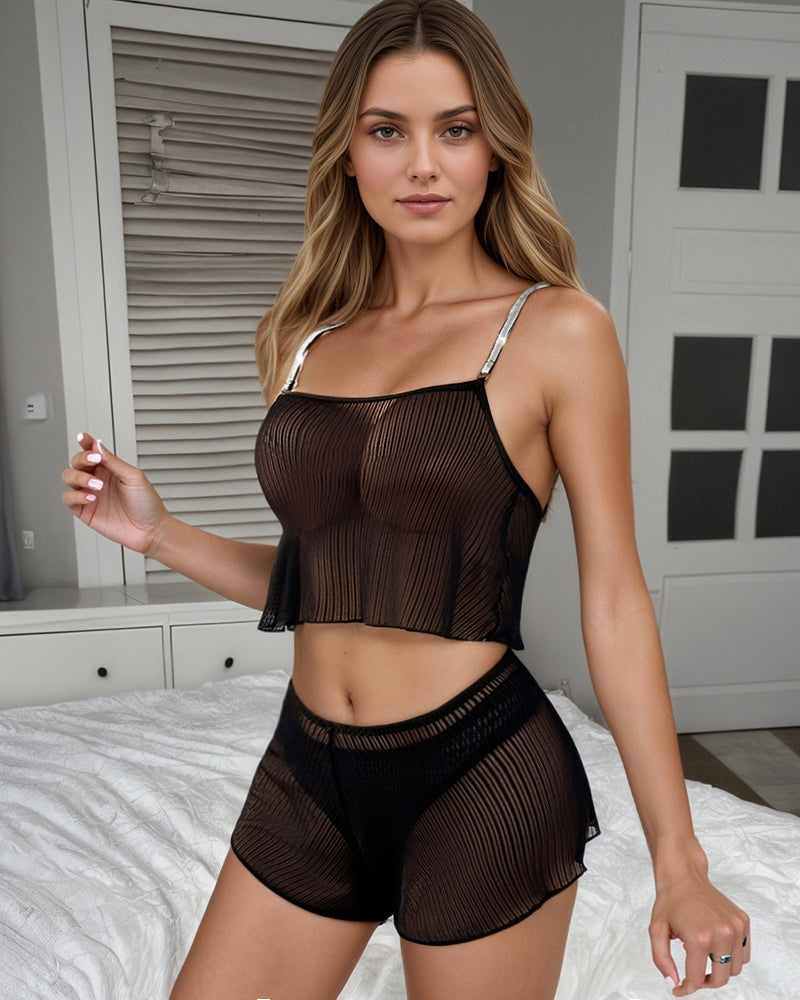


The boudoir outfits that photograph best are the ones that fit well, move with you, and match the mood you want—not the size you wear or how much skin you show.
Standing in front of your closet wondering how any of your underwear is supposed to look “sexy” under studio lights is completely normal, not a personal failing. Across many photographers’ behind-the-scenes notes, the same few outfit formulas keep popping up as the ones clients actually love in their final images and feel confident wearing. This guide breaks down those styles, what to skip, and how to prep so you walk into your session feeling prepared instead of panicked.
Start With How You Want to Feel, Not What You Think You Should Wear
Boudoir is intimate portraiture, not a lingerie catalog audition. Several boudoir specialists frame it as a celebration of your body and personality, where wardrobe is just one tool to support your confidence and self-expression, not the main event. When you treat outfits as the frame and your body as the artwork, you stop asking “Is my body good enough for this set?” and start asking “Does this set honor the body I already have?”
A helpful rule many photographers repeat is to only bring pieces you genuinely love in real life. If you never reach for a particular bra at home because it digs in, you will not magically adore it in a close-up shot. Everyday favorites like a soft tank, an old band T-shirt, or the jeans that hug your butt just right can be more powerful than expensive, fussy lingerie, because your body already knows how to relax in them.
Clients who personalize their wardrobe choices tend to feel more satisfied with their images because their outfits feel like them instead of like a costume. That might mean a romantic lace set, a structured blazer over a bralette, or simple high-waisted underwear and a cropped tee. All of those are valid boudoir outfits when they support how you want to feel: powerful, soft, playful, rebellious, romantic, or some delicious mix.
Lingerie Silhouettes That Rarely Miss on Camera
Fit is everything in boudoir styling, and that is why bodysuits, high-waisted sets, and corsets keep showing up as the MVP silhouettes on camera in what to wear for boudoir photos. These shapes create clean lines, hug curves without slicing into them, and photograph beautifully from multiple angles.
Bodysuits are the workhorse. Photographers consistently describe them as universally flattering because they smooth the midsection, avoid that visual “cut” across the tummy, and elongate the torso. Lace or mesh bodysuits add texture that keeps your body the focus instead of the background decor, especially when layered with a robe or blazer. The only real downside is if they are too short in the torso; then they pull, pinch, and create lines. When in doubt, size up and adjust with straps rather than forcing a too-tight fit.
High-waisted bra-and-panty sets are another favorite because they visually lengthen the legs and give gentle tummy support. Many boudoir photographers recommend pairing supportive bras with high-rise bottoms that either hit at your natural waist or just above the belly button so lines stay smooth instead of cutting across softer areas. A professional bra fitting is worth the effort if you can get one; so many women discover they have been in the wrong size for years, and correct sizing transforms both comfort and how the bra photographs.
Corsets and bustiers bring drama and posture. Properly fitted, they carve out an hourglass shape, encourage you to stand tall, and look incredible paired with high-waisted briefs, stockings, or a sheer robe. The con is obvious: if you can barely breathe, your face will show it. Choose designs that allow you to sit, arch, and move without gasping, and use your trial run to test how long you can wear them comfortably.
Babydolls and slip dresses are trickier. Experienced boudoir photographers note that babydoll styles can add curves to very straight figures, but on curvier bodies they often read wider on camera because of the flared shape and lack of defined waist, a caution echoed in many boudoir outfit ideas. Loose slip dresses have a similar issue: they look dreamy in motion but can completely hide your shape when you are standing still. If you love them, look for versions that skim rather than tent and consider belting or layering with a fitted piece underneath.
Layering pieces like garter belts, stockings, and robes earn their hype because they instantly elevate simple sets and add leg-lengthening lines without forcing you into something more revealing than you want.

Long, sheer robes, kimonos, and dramatic veils also give you something to play with: you can wrap up, let it slide off a shoulder, or sweep it around you to create movement and variety within the same base outfit.
When Lingerie Is Not Your Thing: Everyday Pieces That Photograph Beautifully
You absolutely do not have to live in lace to rock a boudoir session. Many photographers share non-lingerie outfits like jeans, tees, soft sweaters, and button-downs in their boudoir outfit ideas to show how powerful “normal” clothes can look when styled intentionally.
A women’s cut button-down shirt, especially in a light fabric like cotton or linen, is a classic for a reason. Worn half-buttoned with underwear or nothing underneath, it gives that just-out-of-bed energy without exposing anything you do not want to show. Because it has structure, it defines your shoulders and frames your torso, while rolling sleeves or letting the collar fall off one shoulder adds softness.
Cozy sweaters and cardigans work best when they are soft, not bulky, and have some shape. Think slouchy off-the-shoulder knit over high-waisted briefs instead of a heavy, fuzzy robe that swallows your frame. Oversized sweaters can be fantastic for implied nude shots if you let them slip high on the thigh or slide off one shoulder while you curl up on a chair or bed.

Jeans and a tee might sound too basic, but photographers repeatedly put that combo on their “yes, this photographs beautifully” lists. A well-fitted pair of jeans with a cropped tee, tank, or even no top can look effortlessly sensual and very “you,” especially if you are more comfortable in denim than in a garter belt. For a bolder vibe, a structured blazer over a bralette or bare chest gives that boss energy with built-in body framing.
Minimalist and gender-inclusive choices also belong in boudoir. Tailored trousers and a crisp tank, an undone tie with boxers, a suit jacket over lingerie, or suspenders over bare skin all create strong lines and play with masculine/feminine contrast. Photographers who work from a body-positive, fine-art perspective emphasize that there are no gendered rules here; the right outfit is simply the one that makes you feel powerful and present.
“Less is more” can be the most comfortable route of all. Several boudoir specialists recommend using bed sheets as an “outfit,” wrapping them around your body to create implied nudity while keeping actual coverage where you want it. Tank tops with boyshorts or an oversized tee with cheeky bottoms give the same suggestion without forcing you into underwear styles you never wear in real life.
Color, Texture, And Fabric: The Secret Photo Filters You Control
Your boudoir color palette quietly decides whether your images read sultry, sweet, edgy, or soft, and many studios treat a boudoir color palette as a deliberate creative tool, not an afterthought. Colors from your lingerie, sheets, and sets all work together in the final photos, so you want them telling the same story instead of fighting each other.
Neutrals like black, white, beige, and gray are classics because they never go out of style and keep attention on your face and body. Black reads sexy and elegant; white and ivory are dreamy for bridal or light, airy sets. Soft pastels such as blush, pale blue, or lavender lean romantic and feminine, especially with boho-inspired backdrops. Bold reds or wine shades ramp up drama and passion, while jewel tones like emerald and sapphire feel luxe and cinematic.
Here is a quick mood-to-color cheat sheet based on how working studios style their sets and clients:
Mood you want |
Colors that usually work |
Textures to prioritize |
Soft and romantic |
Blush, cream, soft gray, muted lavender |
Lace, mesh, fine knits |
Bold and powerful |
Black, deep red, jewel tones |
Satin accents, structured lace, leather details |
Modern minimalist |
Black, white, beige, champagne |
Smooth fabrics, subtle ribbing, sheer panels |
Playful and fun |
Teal, fuchsia, sunshine yellow, bright blue |
Mixed textures, ruffles in moderation, mesh inserts |
Texture matters as much as color. Photographers love lace and mesh because they add depth and dimension without creating harsh shine, and layered pieces like a bra, underwear, garter belt, and stockings or a patterned bodysuit under a sheer robe give the camera more to play with without overwhelming your frame. Shiny satin can be gorgeous but is high maintenance; several boudoir photographers warn that it reflects light in ways that can highlight wrinkles or blow out details, so it is best used in small doses or on areas you are less picky about.
Most studios advise skipping fluorescent or neon colors and loud, busy patterns because they can cast odd tints on skin and pull attention away from your expressions, a point echoed in family and studio color tips for indoor sessions. Simple solids, tiny patterns, or graphic details like a single slogan on a tee are easier to work with than big stripes or multiple clashing prints.

A practical way to build your color lineup is to choose one classic neutral (for example, black), one soft tone that flatters your skin (like ivory or blush), and one bold shade that makes you feel unstoppable (maybe emerald or deep red). That trio gives your photographer options to match different sets while keeping your wardrobe cohesive.
Fit Checks And Dress Rehearsals: How To Make Sure Everything Actually Works
Fine-art wedding and portrait photographers often recommend doing a full trial run with outfits, hair, and makeup before a big session, and boudoir benefits from the same rehearsal energy. Treat it like a dress rehearsal for your confidence: you want every piece to prove itself before you are paying for studio time.
On a day when you have some privacy, try on each complete look from head to toe, not just the bra in front of the mirror. Sit, stand, kneel on the bed, lie on your side, arch your back, and twist like you might during posing. If straps fall, cups gap, or bottoms roll every time you move, those micro-adjustments will show on your face as tiny flashes of annoyance. A common photographer test is simple: if you have to fix an item more than a couple of times in a few minutes, it is not the one.
Use your cell phone as a scouting tool. Take a few selfies or timer shots in each outfit while standing and sitting in window light. You are not checking for “perfect,” you are checking for lines that dig in, fabrics that cling in strange places, and pieces that suddenly become see-through when light hits them. This is also the time to decide whether strapless or sleeveless styles make you feel amazing or just self-conscious about your arms and shoulders.
Prepping your body for wardrobe matters too. Photographers often suggest moisturizing regularly in the week or two before your session so your skin looks supple, and wearing a soft, lightweight robe with no bra the morning of your shoot so you do not arrive with dig marks on your shoulders or around your rib cage. Heavy, fluffy robes tend to cause sweat and dents; they are better as props than as pre-session loungewear. Uneven spray tans are another common regret, because fixing blotchy color in editing can flatten natural curves and shadows.
When you pack for the shoot, bring more options than you think you will need, but keep them all within your chosen color story so they mix and match. Many boudoir-focused studios encourage starting from your own closet, layering in a few new pieces if you want, and then adding robes, veils, or accessories from the studio wardrobe to stretch every base look into several variations.
Posing, Movement, And Mindset: Your Style Has To Let You Breathe
Outfits that photograph best are the ones you can move and pose in without fighting them, so styling and posing go hand in hand with the kind of posing tricks portrait photographers use to flatter the body on camera. Simple adjustments make a huge difference: turning your body slightly sideways, shifting weight onto one foot, pulling shoulders down and back, and keeping a little space between your arms and torso all help create graceful lines instead of stiffness.
Face and neck positioning is another place where clothes and posing intersect. A supportive bra and open neckline work beautifully with the classic chin-forward-and-down cue that sharpens your jawline and keeps you from tucking your chin into your chest. When you are sitting, folding your legs to the side instead of flat in front of you or pointing your toes in heels draws attention upward and prevents fabric from bunching at the thigh.
Your outfit can also quietly support areas you are more self-conscious about. If your midsection is a sore spot, a high-waisted set or bodysuit with strategic seaming does more for your confidence than spending all night sucking in. If you prefer to keep upper arms covered, a soft robe, cardigan, or off-the-shoulder sweater gives you something to play with while also wrapping those areas in fabric you like. Photographers regularly use sheets, jackets, or hands as natural “props” to obscure any area that is not your favorite, without making the image about hiding.
Confidence is not something you are supposed to magically possess before you walk into the studio. It builds as you take action: booking the session, trying clothes on, doing your trial run, and stepping in front of the camera. Many working photographers describe watching clients relax visibly after the first few frames, once they realize they are allowed to have boundaries, say no to poses or levels of undress, and take breaks. The best “style” for your boudoir shoot is not a specific cut or color; it is the combination of clothes and coaching that lets you breathe, laugh, and move like yourself.
FAQ
Do I need to buy all new lingerie for my boudoir shoot?
No. Many boudoir specialists actually recommend shopping your closet first and only adding new pieces if something specific is missing. Well-loved items already molded to your body look fantastic on camera, especially when you pair them with intentional layers like a sheer robe, blazer, or veil as suggested in several boudoir wardrobe guides. New purchases can be fun, but they should still pass the comfort and movement tests; an inexpensive black bodysuit that fits will always beat a pricey set that pinches.
How many outfits should I bring?
Most studios find that three to five solid outfits plus a few layering pieces are the sweet spot: enough variety to give your gallery different vibes without spending the entire session changing. For example, you might bring one bodysuit, one high-waisted set, and one non-lingerie option like jeans and a tee, then add robes, stockings, or a veil to remix them. Color-wise, studios that focus heavily on palette planning often suggest one classic neutral and one bolder shade so your photographer can match sets to your wardrobe mood.
What if I feel self-conscious about my stomach, arms, or thighs?
That is extremely common, and you do not need to “fix” your body first. Choose silhouettes that support you where you are tender: high-waisted bottoms or bodysuits for the tummy, pieces with sleeves or drapey layers for arms, and darker or more structured fabrics on areas you prefer to downplay. Pair that with flattering posing cues like angling your body, relaxing shoulders, and leaning slightly toward the camera, as taught in many portrait-style posing tricks, and you will see a dramatic shift in how you read in photos.
Your boudoir photo shoot is not a diet progress report; it is a love letter to your current body. Pick styles that feel like a “hell yes” when you move in them, give them a proper rehearsal, and then let the camera catch you owning the room instead of fighting your clothes.


 Secure Checkout


