
 11TH ANNIVERSARY

You can absolutely be pregnant, comfortable, and sexy—the key is choosing maternity lingerie designed for your changing body instead of squeezing into pieces that no longer fit.
Your jeans barely button, your nipples are staging a rebellion, and the only bra that doesn’t make you swear looks like it was stolen from a high school gym locker. Meanwhile, you still want to feel like the person who once loved lace, plunge necklines, and spontaneous make-out sessions. When you look at how real maternity lingerie is designed and how long it can carry you from pregnancy into nursing, it becomes clear that comfort and sexiness can absolutely live in the same drawer—this guide walks you through how to make that happen.
The Real Question: What Does “Sexy” Even Mean When You’re Pregnant?
Pregnancy changes almost everything: your boobs swell, your belly pushes waistbands down, and your digestion has its own agenda. Guides to maternity style stress that the goal is to preserve your personal style while accommodating rather than hiding those changes, from bump-friendly outfits to pieces that “grow with you” across trimesters. Feeling sexy shifts from “how tiny is this thong” to “do I feel like myself in this body right now,” and that is a much kinder, more sustainable standard.
A lot of pregnant people describe a disconnect between their old lingerie drawer and their new body. Personal essays on maternity lingerie talk about weight gain, breast changes, and constant discomfort making it harder to access a pre-pregnancy sense of sexuality until they deliberately choose pieces that echo what they already loved—lace, mesh, plunge cuts—but with maternity-friendly construction. The pattern is consistent: when the bra stops digging in and the panties stop rolling under your bump, your mood gets a whole lot more flirt-friendly.

Sexy during pregnancy is also practical. Brands that focus on pregnancy underwear describe maternity lingerie as specialized pregnancy and postpartum underwear that balances comfort, support, and body confidence rather than being purely utilitarian, as in maternity lingerie support for moms. That means you get to prioritize soft fabric and functional access for nursing or pumping without sacrificing details like lace, bows, or a dramatic neckline.
Maternity Lingerie 101: Not Just “The Next Size Up”
Maternity lingerie is designed from the ground up for a body that is expanding, leaking, and shifting, instead of simply scaling a standard pattern up a size. Dedicated maternity pieces use softer, breathable fabrics, wider straps, stretch underbands, extra back hooks, and panties that sit comfortably below or over the bump rather than slicing across it. By contrast, regular bras and panties that are just sized up often still dig in at the band, roll down, or overstretch and wear out quickly as your shape changes.
A helpful way to think about it is to decide what you want each piece to do for you during this season.
Lingerie goal |
Go-to styles |
Why they work while pregnant |
All-day comfort |
Wireless maternity or nursing bras; stretchy everyday bras that look like your usual style |
They use soft, breathable fabrics, wider underbands, and extra hooks so the bra grows with you instead of pinching as your rib cage expands, similar to the underwire-free everyday styles at Storq maternity intimates. |
Nighttime and lounging |
Nursing and sleep bras; soft nighties or nursing nightgowns |
These add gentle support without rigid hardware, keep breast tenderness in check, and make late-night feeds easier. |
Feeling undeniably sexy |
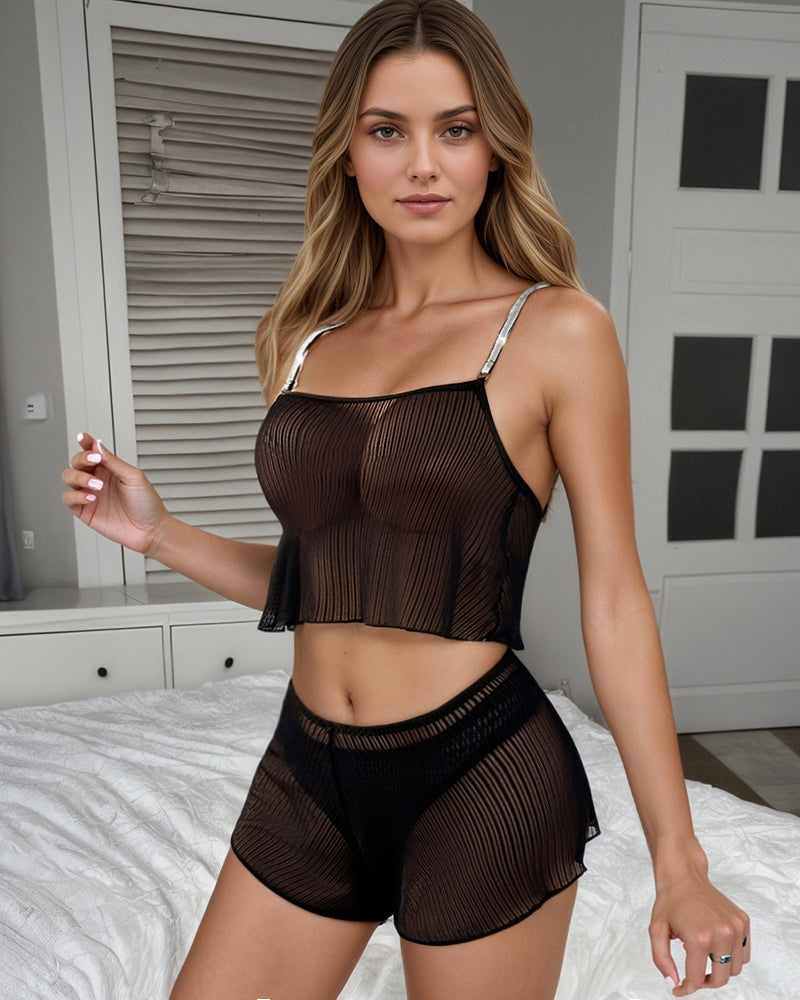
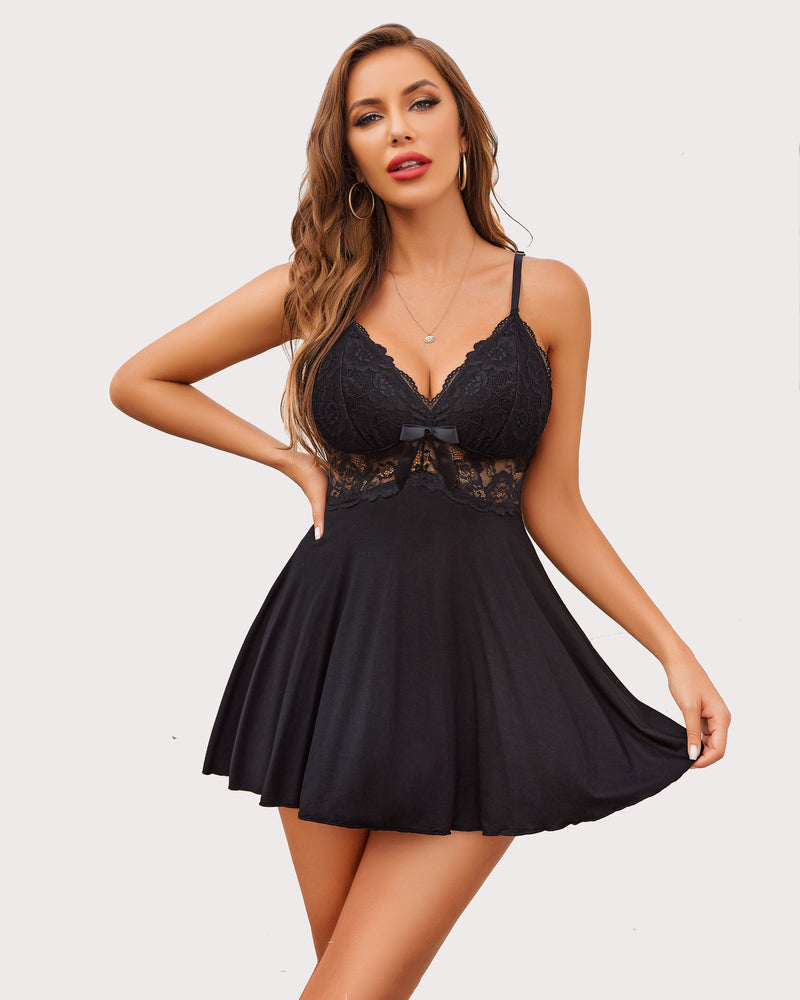
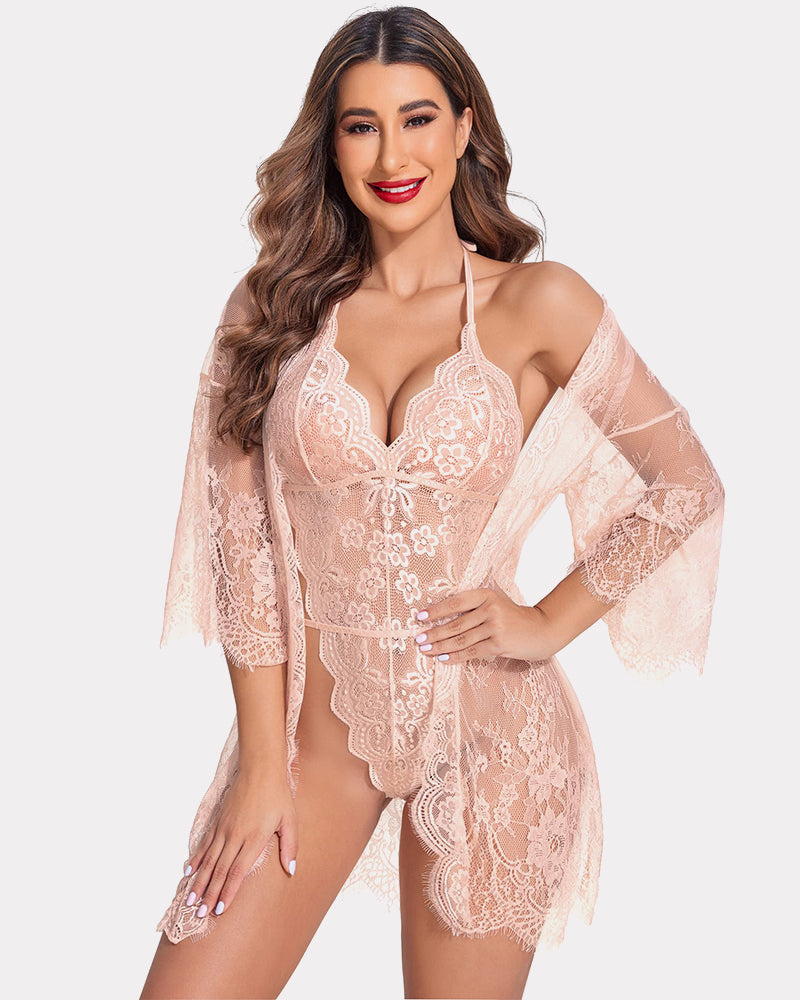
Lace or mesh maternity-friendly sets; babydolls, robes, and low-waisted panties |
Collections such as the maternity-friendly line at Mentionables maternity lingerie add adjustable straps and bands so you keep the romance while still accommodating your bump. |
Leak and discharge management |
Maternity panties, hygiene panties, and double-layered undies |
These use breathable, quick-drying materials and extra layers to deal with increased moisture and leaks, similar to the double-layered, cotton-rich undies described in maternity underwear collections. |
Pumping and nursing practicalities |
Nursing bras with clips; pumping bras with hands-free support |
These make feeding and pumping more efficient while still looking like regular bras, as shown in both maternity underwear collections and all-in-one pumping bras from Kindred Bravely. |
The upside of going for true maternity pieces is comfort, support, and durability into postpartum. The downside is cost and the worry that you are buying things for a short window. Many brands explicitly design their intimates to be worn through pregnancy and a long, realistic postpartum period, often around a year or more, which makes the investment feel less like a one-trimester fling.
Bras That Lift, Not Suffocate
One of the first signs that you might need maternity bra support is when your usual underwire starts poking or your band leaves angry marks. Maternity and nursing bras are built to handle the chest changes that happen as hormones rise, breasts swell, and milk production starts, including the appearance of colostrum and heavier, more vein-lined breasts described in maternity underwear guides from brands like HATCH. Regular bras not only feel worse during this time; they are more likely to stretch out and get ruined by leaks.
Wireless maternity bras and everyday nursing bras are the quiet heroes. Stores that specialize in maternity intimates focus on very soft, silky, cool-to-the-touch fabrics, wide supportive bands, and cuts that look like “normal” bras, as seen in Storq maternity intimates. That means you can wear a minimalist triangle style or a plunge neckline that still feels like your usual aesthetic instead of being stuck with one sad beige bra.
Contrary to the fear-mongering, properly designed underwire nursing bras are presented as safe in pregnancy when they use flexible wires, breathable cups, and stretchy bands. The crucial thing is the fit: no digging into breast tissue, no wires pressing on the sides where ducts are working overtime, and enough hook settings that you are not on the very last one immediately.
For the late-night reality show that is third-trimester sleep, nursing and sleep bras with crossover fronts or soft pull-aside cups keep everything contained without making you feel strapped in. Brands designing for round-the-clock wear describe these as pieces you can wear from bump through breastfeeding, supporting both naps and 2:00 AM feeds while still feeling soft and a little pretty.
Then there is pumping. In the first postpartum week, it is common to pump roughly every 2–3 hours, which adds up to about eight or more sessions a day. That is basically a part-time job attached to your chest. Pumping bras from companies like Kindred Bravely hold flanges in place for hands-free sessions, combine nursing and pumping access, and are meant to be worn all day and overnight so you are not constantly changing bras. Practical can absolutely still be sexy when the neckline and fabric feel good to you.
Imagine hitting 24 weeks, realizing your favorite plunge bra now feels like a corset, and swapping to a wireless nursing bra with a wide band plus a soft sleep bra. Suddenly your shoulders drop, your breathing feels easier, and you are not stripping your bra off the second you walk in the door. That relaxed feeling is the foundation for actually wanting someone to touch you.

Panties and Bottoms: Zero Digging, Maximum Curve
Panties are usually the unsung heroes, but during pregnancy they can make or break your mood. Maternity panties are designed to stretch around a growing bump and offer gentle belly and back support instead of cutting in at the waistband. Detailed guides to maternity underwear explain that many people start needing these in the second trimester, often when regular undies begin to feel restrictive or start rolling down every time you sit.
Different stages bring different needs. Early on, soft, stretchy fabric is everything because bloating and tenderness make tight elastics unbearable. Mid-pregnancy, when thighs might rub more and the bump is front and center, maternity undershorts help prevent chafing and keep dresses feeling comfortable. Later in pregnancy, increased moisture and UTI risk make breathable, moisture-wicking fabrics and hygienic designs crucial, including panties with quick-drying materials and antimicrobial crotch panels that reduce bacteria. Some maternity panties are even built to handle light urine leaks—around a third of a fl oz—so a tiny sneeze does not become a whole laundry situation.
On the style front, low-waisted panties that sit comfortably under the belly are another option, especially for romantic nights. The maternity-friendly collection at Mentionables maternity lingerie includes low-rise cuts designed to avoid bump pressure, with adjustable bands and straps on matching tops so the whole set shifts with you rather than fighting your new curves.
Practical numbers matter too. Maternity underwear experts suggest aiming for roughly five to seven pairs of maternity panties to get comfortably through the week, especially with increased discharge and possible leaks. Light-colored panties in the final weeks can help you spot changes in discharge color quickly so you can talk to your healthcare provider if something seems off. For C-section recovery, high-rise panties that sit above the incision are recommended to avoid rubbing and to protect the scar area while you heal. None of that is glamorous on paper, but feeling dry, secure, and not in pain is a huge part of feeling confident enough to invite intimacy.

Making It Hot: Lace, Sheer, and Romantic Moments With a Bump
Once comfort and function are handled, it is time to turn the dial up. Many pregnant people find that the sexiest maternity pieces are either very similar to what they wore before pregnancy or are new silhouettes that flatter their new curves and sense of “motherness.” One writer described prioritizing styles that made her feel good in the mirror and like herself, while still being comfortable enough to avoid anything that felt like “medieval torture.”
That is where maternity-friendly lingerie lines shine. Collections like maternity lingerie support for moms include maternity negligees, nursing nightgowns, and bump-friendly nighties meant specifically for romantic or confidence-boosting moments, not just nursing on the couch. Pieces at Mentionables maternity lingerie are described as classy, feminine, and available from XS through 3X, which makes it easier to find something that celebrates your specific body rather than squeezing into a standard size.
You can also use color and texture to keep things fun. A bump-hugging chemise in a neutral tone, like the cozy tan outfits recommended for bump-friendly OOTDs on pregnancy style posts, can feel soft and understated. A lace nursing bra in your favorite shade, paired with either maternity panties or your pre-pregnancy matching lace underwear on special nights, speaks to the part of you that existed long before anyone called you “Mom.” Non-maternity robes with empire waists or flowy cuts, bought in your usual size, can drape beautifully over the bump and keep working long after baby arrives.
For a fun milestone, maternity boudoir photos are often recommended between about 28 and 36 weeks, when the bump is fully rounded but you can usually still pose and move comfortably, as suggested in maternity lingerie support for moms. A lacy maternity bra, matching panties, and a sheer robe or kimono can turn that shoot into a powerful reminder that this version of your body is every bit as worthy of gorgeous lingerie as any other. The bonus is that those same pieces double as special-occasion wear for anniversaries, date nights at home, and “I just want to feel like a goddess” evenings long after the photos are taken.
Smart Shopping So Your Drawer Works Harder
There is no prize for waiting until your bra is a torture device. Many people find they start needing maternity lingerie between the end of the first trimester and the early second trimester—often around the 12–20 week mark—or whenever bras feel restrictive, underwires poke, and panties roll down. That is your cue, not a failure.
When you shop, focus on breathable materials like cotton or bamboo blends, gentle non-compressive support, and stretchy panels that literally grow with you. Brands such as HATCH emphasize double-layered fabrics and soft OEKO-TEX certified cotton for belly support and leak protection, while Storq maternity intimates design pieces that look like regular bras and underwear for daily wear over roughly a year or more of pregnancy and postpartum. Sizing up once is usually not enough; instead, look for adjustable bands, multi-hook backs, and straps with room to move. Several maternity-friendly collections, like Mentionables maternity lingerie, explicitly recommend sizing up and include ranges from XS to 3X to accommodate real pregnancy bodies.
Cost is a real consideration, so stack the deck in your favor. Some maternity brands offer instant email sign-up discounts and ongoing promos on their collections, as seen in maternity underwear deals. Others encourage you to save items to your account and buy when they go on sale, which is especially useful for pricier designer pieces. You do not need a drawer packed with options; a small rotation of everyday bras, a sleep bra, five to seven maternity panties, and one or two intentionally sexy sets can cover most situations from workdays to date nights to 3:00 AM feeds.
Remember that many maternity pieces are built to transition into postpartum. Nursing bras, sleep bras, and maternity panties designed for hygiene or postpartum bleeding can carry you well beyond the typical six-week recovery window, which both Storq maternity intimates and maternity underwear collections acknowledge. That extends the life of each piece and makes it easier to justify spending money on items that truly feel good.
Quick FAQ
Do you really need “maternity” lingerie, or can you just size up? You can get away with sizing up for a little while, but as your rib cage expands, your breasts prepare for feeding, and your belly grows, regular bras and panties often start digging in, rolling, or stretching out permanently. Dedicated maternity and nursing lines are built with softer fabrics, wider bands, and more adjustability, as seen in collections from HATCH and Storq maternity intimates, so they usually feel better and last longer into postpartum.
When should you start buying maternity lingerie? The best time is when your current underwear stops feeling good. Many people notice this between 12 and 20 weeks, or sooner if bloating and tenderness are intense. If your bra band leaves deep marks or your panties constantly roll under your belly, that is your sign to switch.
Can maternity lingerie actually boost your confidence in the bedroom? Yes, and not just in a “throw on some lace” way. Brands that design maternity lingerie specifically talk about reduced chest and back discomfort, better posture, easier nursing, and a psychological boost from feeling stylish and put-together during pregnancy. When your body feels supported instead of squashed, it is much easier to lean into pleasure and connection.
Pregnancy does not cancel your right to feel desired; it just asks you to dress your body differently. Build a tiny, hard-working maternity lingerie drawer that treats your bump and boobs like royalty, and let anyone who gets to see it be the lucky bonus, not the reason you bought it.


 Secure Checkout


