



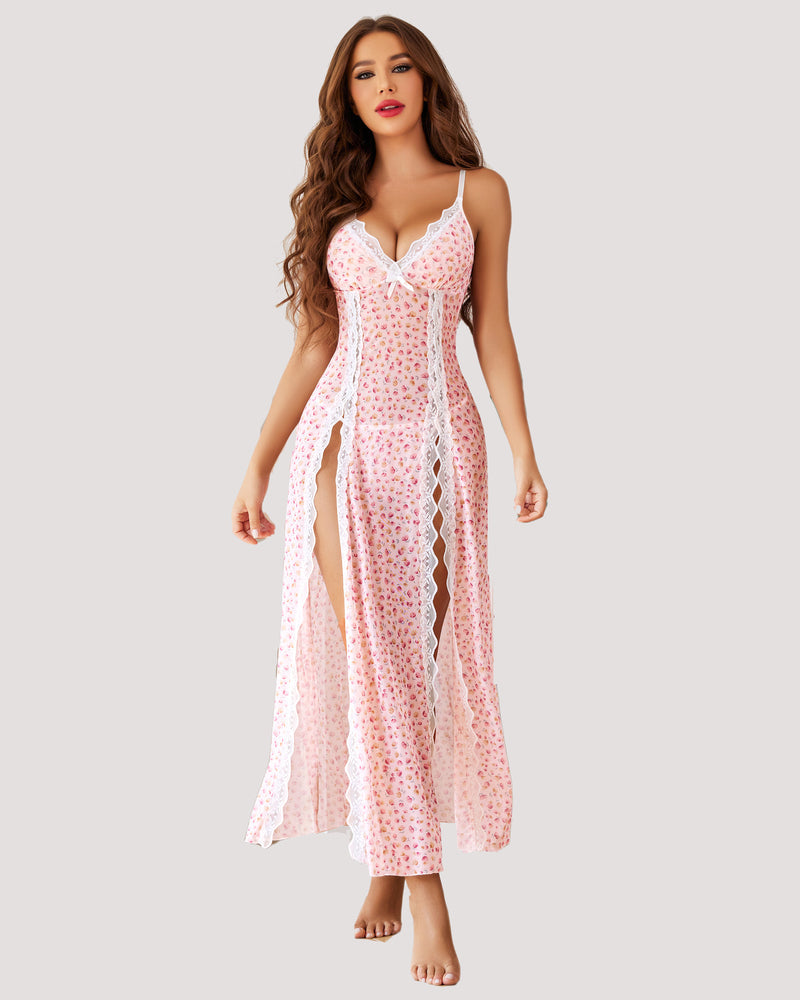



Thongs are not automatically unhygienic. When you choose breathable fabric, a comfortable fit, and keep up with basic hygiene, most health risks come from moisture and friction, not from the thong style itself.
You pull on a thong under a tight dress, feel amazing in the mirror, and then your brain whispers, “Cool, enjoy that UTI, yeast infection, and hemorrhoids.” Research on hundreds of women has found that when doctors factor in fabric, sexual behavior, and hygiene, thong style alone does not stand out as a major risk for infections. By the end, you will know when a thong is perfectly fine, when it is better to skip it, and how to keep things sexy without sacrificing your vulva’s comfort or health.
So… Are Thongs Unhygienic Or Not?
The short answer: usually no. The evidence we have does not support the idea that thongs are automatically dirty, dangerous, or destined to give you infections. A cross‑sectional national survey of 987 women found that, after adjusting for sexual behaviors and hygiene habits, thong use itself was not an independent predictor of urinary tract infections, bacterial vaginosis, or yeast vaginitis, shifting the focus toward fabric and lifestyle instead of style alone as the main issue for infection risk.
What The Research Actually Shows
Several gynecologist‑reviewed summaries, including an overview of best underwear for vaginal health, emphasize that thong wearers are not automatically sicker than brief wearers; infection risk is primarily driven by moisture, non‑breathable materials, and behaviors like oral sex and non‑cotton crotch underwear rather than the thong cut itself. A small 2005 study comparing thong and non‑thong panties found no meaningful differences in vulvar temperature, microclimate, or microflora, suggesting that thongs do not inherently disrupt your vaginal ecosystem when other factors are equal.
That said, experts still call thong‑related infection risk “biologically plausible” because the strap sits between the buttocks and can theoretically transfer fecal bacteria toward the vulva and urethra if it slides forward, which could contribute to UTIs or bacterial vaginosis in some people. This is where fit, fabric, and hygiene start to matter much more than whether you choose a thong or a bikini.

The Real Problem: Fabric, Fit, Moisture, And Hygiene
If your thong is going to cause trouble, it is usually because of what it is made of, how it fits, and how long it sits against sweaty skin—not because it does not cover your cheeks. Gynecologists consistently recommend breathable, mainly cotton underwear because it helps absorb sweat and discharge, allows airflow, and is less likely to irritate delicate tissue compared with synthetic fabrics that trap heat and moisture, as explained in how underwear affects vaginal health.
A pelvic floor physical therapist points out that moisture retention and poor airflow in the genital area can fuel UTIs, bacterial vaginosis, yeast infections, itching, ingrown hairs, and even tissue breakdown, and that tight synthetics are repeat offenders here underwear influences on moisture and infections. One study of 176 women found that those in tight nylon or other synthetic underwear were about 4.8 times more likely to carry Candida albicans compared with those who were not wearing synthetics, underlining that tight, non‑breathable fabric is a real issue for yeast, regardless of cut.
Fabric And Breathability
For everyday life, cotton is still the overachiever. It is breathable, absorbent, and usually comes with fewer dyes and irritants, making it a solid base layer for your vulva. Gynecologists and vaginal health brands repeatedly recommend cotton or cotton‑gusset underwear to reduce odor, irritation, and yeast risk because it does not trap heat and dampness the way nylon and spandex blends can.
If you love performance fabrics for workouts, moisture‑wicking blends can be a smart short‑term choice as long as you change quickly afterward. They dry faster but are usually less breathable than pure cotton, so they should not stay on your body all day after you stop moving.

Fit, Friction, And That “Butt Floss” Feeling
A thong that digs, rides up, or constantly needs adjusting is not just annoying; friction from a thin, tight strap can cause chafing, microtears, and “thong rash,” and can aggravate sensitive conditions like hemorrhoids. Pelvic floor specialists warn that chronically tight thongs can effectively “floss” the buttocks, continuously rubbing between the cheeks and even migrating into the rectal opening, which may contribute to tailbone pain, constipation, and pelvic floor overactivity in some people.
On the flip side, a thong that is too loose can slide forward from the rectal area, carrying fecal matter toward the vulva and urethra, which is exactly the path bacteria take to cause UTIs. We already know most UTIs are caused by E. coli from the large intestine migrating to the urethra, so anything that moves bacteria forward—poor wiping technique, sliding fabric, or staying damp—can nudge that risk up.
Hygiene Habits That Matter More Than Style
Even the best thong can get gross fast if your hygiene does not keep up. Underwear of any style tends to carry small amounts of fecal matter, which is why changing at least daily, and more often after sweating, heat, or heavy discharge, is so important. Regular washing in warm water with gentle, fragrance‑free detergent helps limit bacteria and avoid chemical irritation on sensitive skin.
To avoid turning your thong into a bacteria shuttle, wipe front to back, pull the back strap fully aside before wiping, and make sure there is no residue left that can smear onto the fabric after a bowel movement. For people who are prone to UTIs, vulvar irritation, or infections, these front‑to‑back hygiene habits and breathable, clean underwear matter far more than whether the back of your underwear covers your whole butt or not.
When Wearing A Thong Is Probably Fine
If your body feels good, your discharge is normal, and your doctor is not treating you for an infection, you usually do not need to ditch thongs just because of scary headlines. Gynecologists and women’s health writers consistently say that many people can safely wear thongs if they are well‑fitted, clean, mainly made of breathable materials, and paired with attention to irritation or new symptoms rather than panic over the cut alone.
Thongs also exist for real reasons beyond social media. They are the go‑to solution for visible panty lines under fitted pants and body‑con dresses and can help you feel smoother and more confident under thin or clingy fabrics thongs to avoid panty lines. Many people eventually find them more comfortable than full briefs because there is less fabric to bunch, sag, or cut across the butt cheeks; once you get used to them, a well‑fitted thong can feel like almost nothing at all.
When Gynecologists Want You To Skip The Thong
There are situations where the sexy option is simply not the smart option. Clinicians and health writers repeatedly suggest avoiding thongs when you already have a vaginal infection, vulvar skin condition, or active irritation because the extra friction and tightness can worsen symptoms and slow healing. People prone to thrush or yeast infections, bacterial vaginosis, or chronic vulvar conditions are often steered toward fuller, breathable styles rather than daily thongs, especially during pregnancy, when hormonal changes already increase infection risk.
Thongs are also not ideal for heavy workouts or long, sweaty days. Movement plus moisture plus a thin strap is a recipe for chafing, irritation, and potentially more bacterial transfer, which is why multiple sources recommend switching to moisture‑wicking, full‑coverage underwear or leggings designed to be worn without underwear during exercise, and changing into dry clothing promptly afterward. Vaginal yeast thrives in warm, moist environments, so staying in a damp thong or tight leggings after a workout or wet swimsuit session can feed yeast and raise the odds of an infection over time yeast thriving in warm moist conditions.
If you have diarrhea, GI upset, or hemorrhoids, thongs are also on the “not today” list. Because the strap sits right between the cheeks, any looseness or sliding during diarrhea can easily contaminate the fabric, which then sits close to the vulva and urethra, raising the chances of irritation or infection. While thongs are not known to cause hemorrhoids, friction from a thong during a flare‑up can make pain and itching much worse, so fuller, softer underwear is kinder until things calm down.
How To Wear A Thong As Safely As Possible
You do not have to choose between feeling sexy and staying healthy; you just need to set some ground rules for your underwear drawer. Clinicians repeatedly stress that cotton or other breathable natural fibers, a proper fit, clean laundering, and giving your vulva some “air time” are the real levers to protect vaginal health, whether your underwear style is a thong, bikini, or boyshort.
Choose The Healthiest Version Of “Sexy”
If you are going to wear a thong, pick one with a substantial, 100% cotton gusset that fully covers the labial area instead of a narrow strip that bunches or tears easily. Keep the lace, sequins, and ultra‑synthetic options for short‑term wear and special moments, not your 12‑hour office days or long flights, since these materials trap more heat and can irritate the skin when worn for too long thong materials and irritation.
Sizing matters too. If you constantly feel the need to adjust your thong, or the waistband digs deep marks into your skin by the end of the day, that is your body saying the fit is off and the friction is too much. Opting for a slightly looser, higher‑quality thong that stays put will usually feel better and be kinder to your skin than a tight, cheap one.
Smart Thong Hygiene
There are a few non‑negotiables if you want to keep thongs in rotation. Change into a clean pair at least once per day and more often if you sweat, swim, or notice a lot of discharge, since bacteria and yeast love damp fabric. Wash your thongs after every wear in warm water using a gentle, fragrance‑free detergent, and skip fabric softeners and heavy fragrances, which can trigger vulvar dermatitis and itch.
In the bathroom, always wipe front to back and move the thong strap totally out of the way before you wipe so it does not brush against used toilet paper or stool. This simple habit, combined with fully emptying your bladder when you feel the urge and staying hydrated, can help lower the chances of bacteria reaching the urethra and causing a UTI while you enjoy your favorite lingerie.
Let Things Breathe
Just because you love thongs does not mean your vulva wants them 24/7. Multiple gynecology sources suggest letting the area “breathe” by sleeping without underwear when you are not menstruating, or by choosing loose, breathable pajama bottoms, so moisture does not sit in a dark, covered environment all night. Some clinicians even recommend going commando under pajamas or occasionally under athletic wear as a healthy option, as long as the outer clothing is clean and comfortable.
If you tend to get infections around your period, or after every intense workout, treating those windows as “no‑thong zones” and rotating in cotton briefs or boyshorts can be a useful experiment to see whether your symptoms ease up.
Quick FAQ
Can thongs cause UTIs or yeast infections? Current evidence does not show a direct causal link between thong underwear and urogenital infections, and one of the only available studies found no association when other behaviors were accounted for. However, because thongs can move bacteria forward and tight, synthetic fabric can trap heat and moisture, they may contribute to UTIs or yeast infections in some people who are already prone, especially when hygiene or fabric choices are not ideal.
Is it okay to sleep in a thong? Most gynecologists prefer that you give your vulva a break at night, recommending either no underwear or loose, breathable styles instead of a tight thong while you sleep. Letting the area stay dry and ventilated overnight is especially helpful if you have recurrent yeast infections or irritation.

Are cotton thongs really better than lace ones? For all‑day wear, yes, cotton thongs—or at least thongs with a wide cotton gusset—are generally healthier because they are more breathable, absorb moisture, and are less likely to irritate sensitive skin. Lace and synthetic “fancy” designs are best kept for shorter wear or special occasions, especially if you are prone to itching, infections, or dermatitis.
Bottom Line
Your thong is not dirty or dangerous just because it is a thong; the real question is how it fits, what it is made of, and how you treat your body while you are wearing it. Choose breathable fabrics, pay attention to moisture and irritation, rotate styles, and give your vulva room to breathe, and you can enjoy sexy lingerie without sacrificing your health. Your underwear should serve your comfort, confidence, and pleasure—not rule you by fear.


