
 11TH ANNIVERSARY
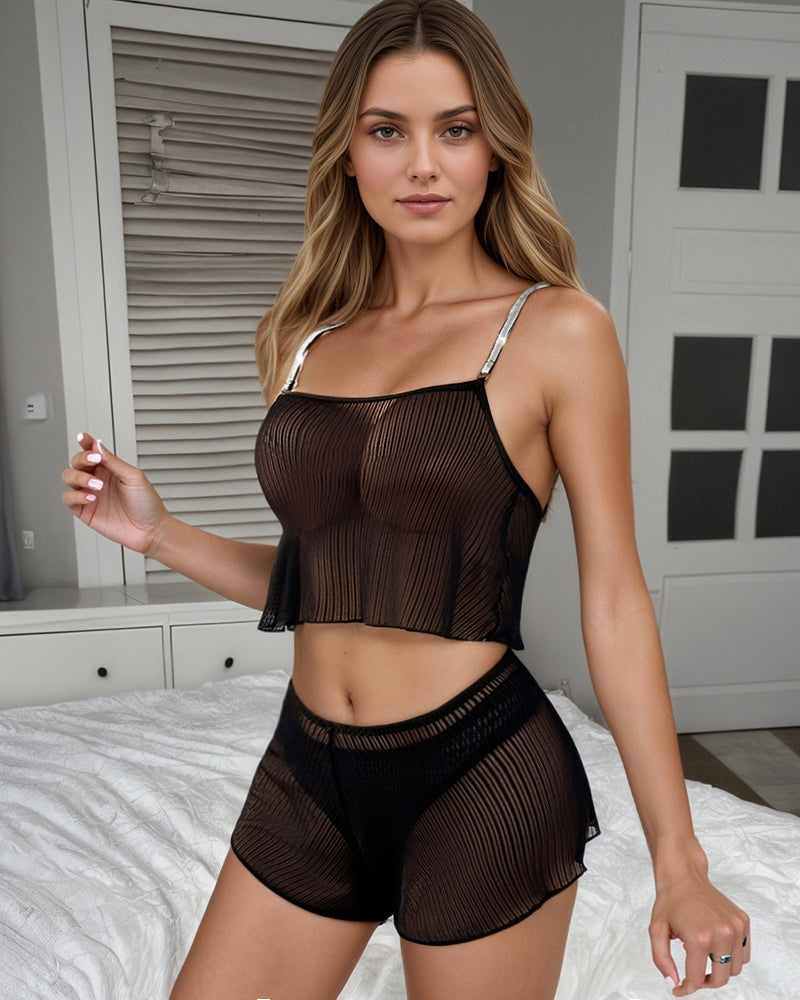
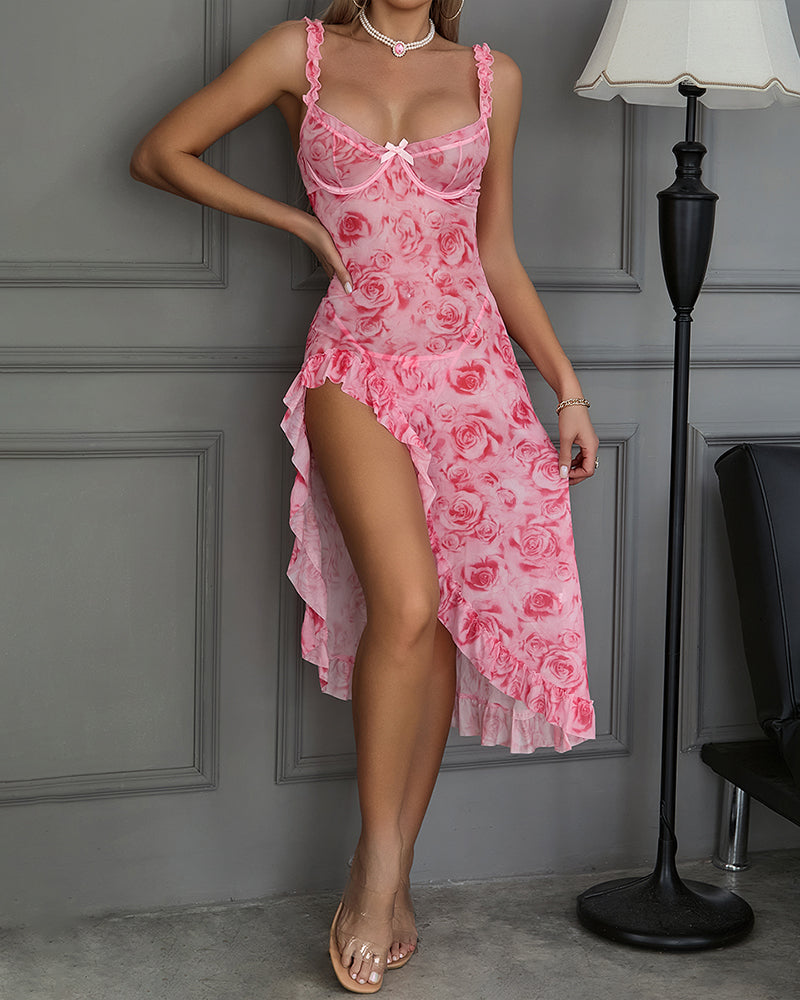
A well-fitted matching bra-and-panty set is more than just cute; it can work as a quiet confidence switch that changes how you move, focus, and flirt all day long.
Have you ever thrown on a random bra and panties, only to feel just as mismatched and frazzled by lunchtime as your underwear drawer? When people switch to coordinated sets that actually fit and suit their real lives, posture shifts, clothes sit better, and mood often lifts, something therapists link to how clothing affects the mind and body. This is your no-nonsense guide to using matching lingerie as a low-effort confidence tool—when it’s worth the effort, when it’s not, and how to pick sets that love your body back from breakfast to bedroom.
Why Matching Lingerie Feels So Powerful
Underwear is not just another layer. Psychologists have described it as a “technology of the inner self,” meaning it shapes how you feel about your body and how you show up in intimate and everyday situations, not just what other people see. That private, closest-to-skin layer can quietly shift self-esteem, desire, and even the way you walk and talk, which is why deliberately choosing it carries more weight than grabbing whatever is clean at the back of the drawer, a point explored in work on the psychology of underwear.
There is also solid psychological reasoning behind that “I’ve got my life together” buzz a matching set gives. Researchers and stylists use the term “enclothed cognition” to describe how what you wear changes how you think, feel, and behave. When your underwear is intentional and coordinated, your brain reads it as a signal that you are prepared and worth the extra care. Writing on how underwear links to mood and mental health explains that attractive, well-chosen pieces can subtly shift posture, self-talk, and assertiveness throughout the day through this enclothed cognition effect.
For anyone living with body insecurities, the stakes feel even higher. Body-positive brands frame lingerie as more than “something pretty for someone else” and describe it as a tool for self-love that challenges narrow beauty standards and comparison culture. Choosing pieces that feel good on your unique body, in your size, and on your terms is treated as an ongoing way of life rather than a quick trend in body-positive discussions of embracing your beauty.
What a Matching Set Actually Does for Your Day
A coordinated set works on two levels at once: physical and psychological. On the physical side, the right bra-and-panty duo supports your bust, smooths or frames your curves as you prefer, and lets your clothes fall better, which can instantly change how you see yourself in the mirror. Guides to choosing lingerie emphasize that comfort, support, and a cut that suits your body and outfits should come first, because those are the pieces you will wear on repeat rather than leave unworn in a drawer, a point underlined in advice on buying lingerie you will actually wear and building a small, wearable lingerie wardrobe.
A matching set also creates visual and tactile harmony across your body. When the color, fabric, and style of your bra and panties echo each other, your brain gets a sense of “completed pattern,” which is part of why you may stand a little taller or uncross your arms without even thinking about it. Writers who explore how lingerie affects self-confidence consistently note that well-fitted sets can improve posture and gait and create a smoother silhouette, which then feeds back into feeling more attractive and capable during the day, themes echoed in body-image-focused discussions of how lingerie supports confidence.
There is also that delicious private secret aspect. Knowing that under your jeans and sweatshirt you are wearing a coordinated, soft, maybe slightly cheeky set gives you a personal story to carry around, even if no one else ever sees it. Writing on mental health and underwear stresses that this hidden, self-directed pleasure can be therapeutic when it is clearly framed as optional self-care rather than a requirement, a nuance highlighted in essays on nice underwear and mental wellbeing.
Imagine a simple example. One Monday you throw on an old, stretched-out bra and whatever panties are clean; by midday, you are tugging straps and feeling vaguely “off.” The next Monday, you slip into a soft, wired or wire-free matching set that actually fits; your sweater skims better, you catch one glimpse of yourself before leaving, and you walk into your first meeting with your shoulders a notch higher.

The to-do list did not shrink, but your inner narrative about yourself did improve.
Matching Versus Mix-and-Match: Pros and Cons
Matching is not a moral issue; it is a tool. Some days you want the full power suit underneath; other days you just need the comfiest panties that are not in the hamper. Lingerie writers who discuss whether to match or not are very clear that the “right” choice is the one that makes you feel most comfortable and confident in that moment rather than whatever social media says looks polished.
A quick way to see the trade-offs is to compare the two approaches side by side.
Approach |
Confidence perks |
Practical watch-outs |
Coordinated set |
Creates a strong “put-together” feeling, supports enclothed cognition, and can make outfits feel more intentional and romantic. |
Requires more planning and laundry timing, and can feel restrictive or wasteful if the fit or fabric is wrong. |
Mix-and-match |
Lets you prioritize comfort and support piece by piece, play with colors and prints, and always reach for what feels best that day. |
May not give the same instant “I’ve got this” buzz, and visually chaotic combos can subtly reinforce a sense of inner chaos for some people. |
The takeaway is simple: use matching sets when they serve you, not as another perfection checklist. If your body is begging for seamless cotton panties and your only matching bra is a scratchy little number, choose comfort and call it a win.
For Romance: Matching with Yourself and with a Partner
Matching sets can be powerful in relationships, but the first relationship they should serve is the one you have with your own body. When you choose lingerie primarily to feel desirable and comfortable to yourself, emotional closeness with a partner becomes easier because you are not busy worrying about lumps, straps, or whether you “measure up.” Brands that focus on body positivity and mental health repeatedly frame lingerie as a symbol of self-love that supports intimacy precisely because it helps you feel at ease and expressive in your skin, ideas that echo through writing on underwear, sexuality, and self-perception.

If you want to take it up a notch, matching couple underwear sets can be a playful way to build connection. Articles discussing coordinated couple sets point out that wearing matching underwear can create a private shared secret, add novelty, and increase confidence and intimacy for both partners, all with very little effort compared with elaborate date nights, a perspective that shows up in discussions of matching underwear sets for couples. Think of it as team spirit for grown-ups: you do not have to coordinate every day, but on anniversaries, trips, or “we need a reset” weekends, it can be a fun, low-pressure ritual.
How to Choose Matching Sets That Actually Love Your Body
The magic of a matching set disappears fast if the fit is wrong or the style fights everything else you wear. Lingerie experts often suggest starting with your “lingerie personality,” which is basically matching your underwear to how you already dress: if your closet is full of structured blazers and clean lines, you may feel best in smooth, minimal sets; if you live in floaty dresses and ruffles, softer lace or romantic details may feel more natural. This kind of personality-based shopping makes pieces far more wearable, as noted in advice on discovering your lingerie personality.
Next comes fit, and this is non-negotiable if you want all-day confidence rather than all-day fidgeting. Good bra fit is about current measurements, not the size you “used to be” in college. Guides recommend knowing your bust, underbust, and hip measurements and getting fitted at least occasionally at a specialty boutique or department store so you can translate those numbers across brands. Writers who break down the basics of lingerie for beginners keep returning to the same point: a correctly sized bra and panties create a secure base, improve how clothes sit, and are the fastest way to upgrade how you feel in your wardrobe, which is central to beginner-friendly lingerie guidance.
Body shape is another layer, and it is about highlighting what you love, not “fixing” anything. For example, hourglass figures often feel great in almost any style, but sets with garter belts or high-leg panties can play up curves; pear shapes may like bras or chemises that pull the eye upward while panties skim the hips rather than dig in; apple shapes often feel more confident in bodysuits or high-waisted panties that elongate the torso; and athletic or rectangle bodies can use balconette bras, push-up styles, or strategic lace to create more visual curves. Guidance on finding lingerie for different body types focuses on experimenting with styles and necklines that flatter your favorite features rather than hiding what you dislike, a theme in tips for finding lingerie that suits your body.
Fabric is where comfort and mood meet. For everyday sets, soft, breathable materials like cotton and modal are workhorses under everything from office outfits to weekend denim, while lace, satin, and mesh bring in sensual texture for days when you want extra drama. Lingerie guides consistently recommend prioritizing soft fabrics and checking for scratchy seams or frayed stitching, because no amount of pretty lace makes up for a band that rubs or a gusset that chafes by mid-afternoon, advice echoed in practical discussions of lingerie fabrics and comfort.
Color is your mood ring here. Bold reds, purples, or jewel tones can feel energizing and powerful, while blush, cream, and soft pastels often read as calm and romantic. Some writers highlight how bright, saturated hues are linked with energy and positivity while softer tones support calm and comfort, encouraging you to pick colors that either match or gently shift the mood you want to be in. The body-positive angle is simple: any color is a “lingerie color” if it makes you feel like your fullest self rather than someone else’s fantasy.
Finally, there is the money question. A matching set does not have to be expensive to be good, but chasing the cheapest deal often backfires if the bra stretches out in a month or the panties dig in after one wash. Some experts suggest thinking in terms of cost-per-wear: a $40 set worn twice a week for a year costs less than forty cents per wear, while three $15 impulse sets that never leave the drawer are just $45 worth of regret. Discussions of luxury lingerie emphasize that durable, well-made fabrics can become surprisingly affordable over time when you consider how often you reach for them, a mindset shift reinforced in reflections on cost, quality, and wearability.

A Mini Matching-Set Wardrobe for Real Life
If your drawer is currently a chaos museum, do not panic; you do not need a dozen sets to start feeling the benefits. Many lingerie experts recommend first building a small base of neutral, versatile pieces: for instance, one smooth nude or skin-tone matching set that disappears under light clothes, one black or deep-tone set that works under dark outfits and feels a bit sultrier, and one set that leans into your favorite aesthetic, whether that is sporty, lacy, or vintage-inspired. Reporting on how most of us actually use lingerie suggests that these everyday heroes will carry most of the workload while more dramatic pieces come out for specific moods or occasions, as emphasized in practical advice on building a versatile lingerie drawer.
Remember that bras and panties rarely wear out at the same pace. Bras are usually washed less often and made of sturdier materials, while panties do the daily grind, so it is smart to buy extra panties that coordinate with your favorite bras. Some lingerie experts explicitly suggest doubling up on matching panties for sets you love, because brands retire styles and colors all the time, a practical tip that appears in advice on buying multiples of favorite styles.
Laundry and life logistics matter too. If your job, parenting schedule, or health means you often stretch laundry day, do not build your self-worth on whether you can keep a matching set clean at all times. Treat matching as a bonus, not a moral test: if the only clean bra that fits is black and the only clean panties are hot pink, your body deserves both and your confidence is still valid.
Tiny Ritual, Big Confidence
The real power move is not owning a drawer full of Instagram-worthy sets; it is turning your underwear choice into a tiny, daily act of respect for your body. Taking even 30 seconds each morning to ask, “What do I need to feel supported today?” and then reaching for a matching set that answers that can become a grounding ritual, much like making your bed or savoring your first cup of coffee. Essays on intentional dressing and mood regulation show that small, repeated choices around clothing can boost a sense of control, readiness, and optimism, especially on high-pressure days, echoing the same logic behind dressing with intention to feel better.
On days when everything feels on fire, matching might be the first thing to go, and that is fine. Body positivity is not about curating a perfect lingerie aesthetic; it is about repeatedly telling yourself, in small, practical ways, “My body is worthy of comfort, care, and pleasure right now.” A coordinated set is just one very pretty, very effective way to say it.
Slip into what makes you feel most like you, and let your underwear do some of the quiet heavy lifting while you get on with living your life.


 Secure Checkout


