
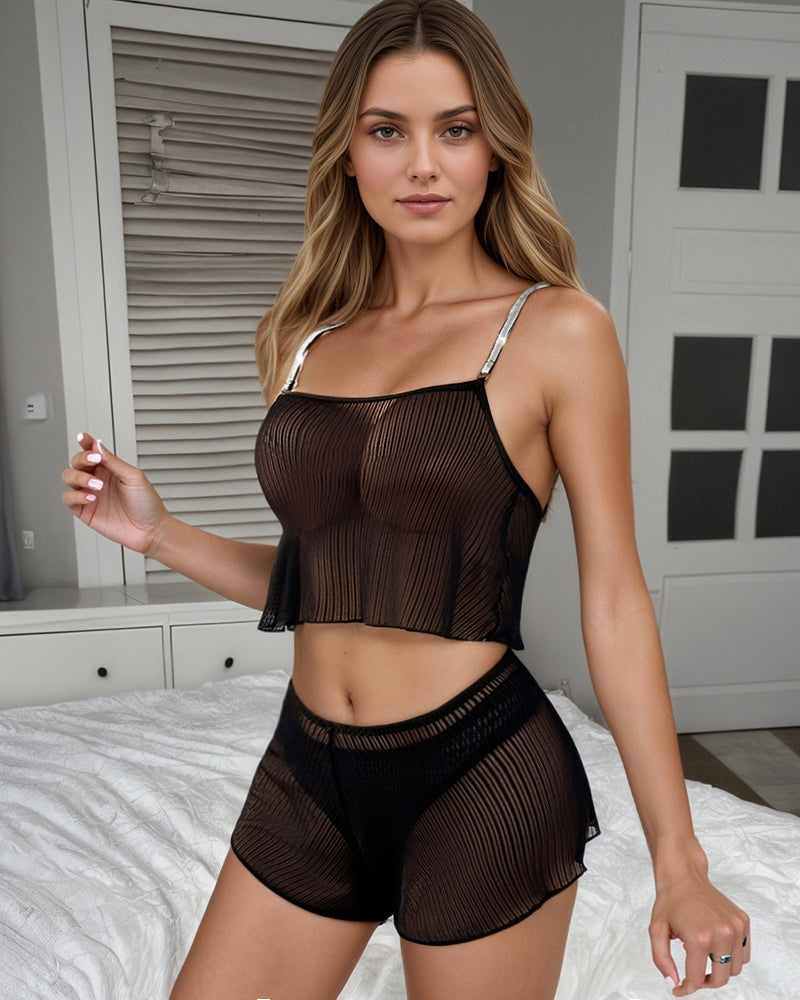
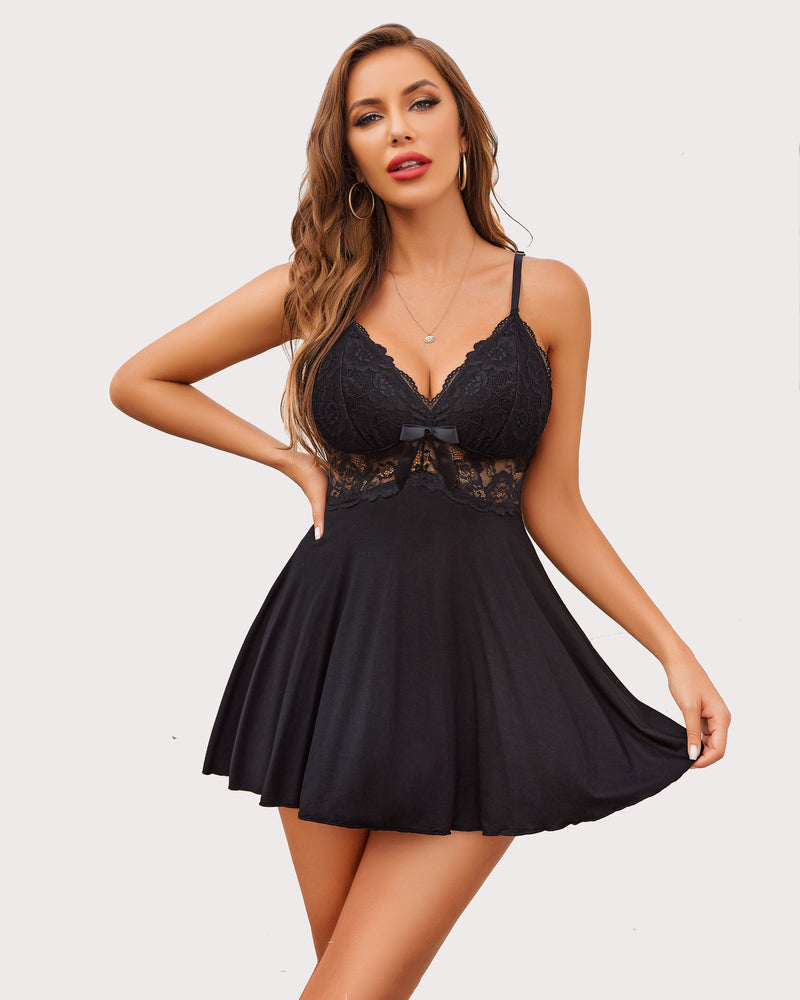
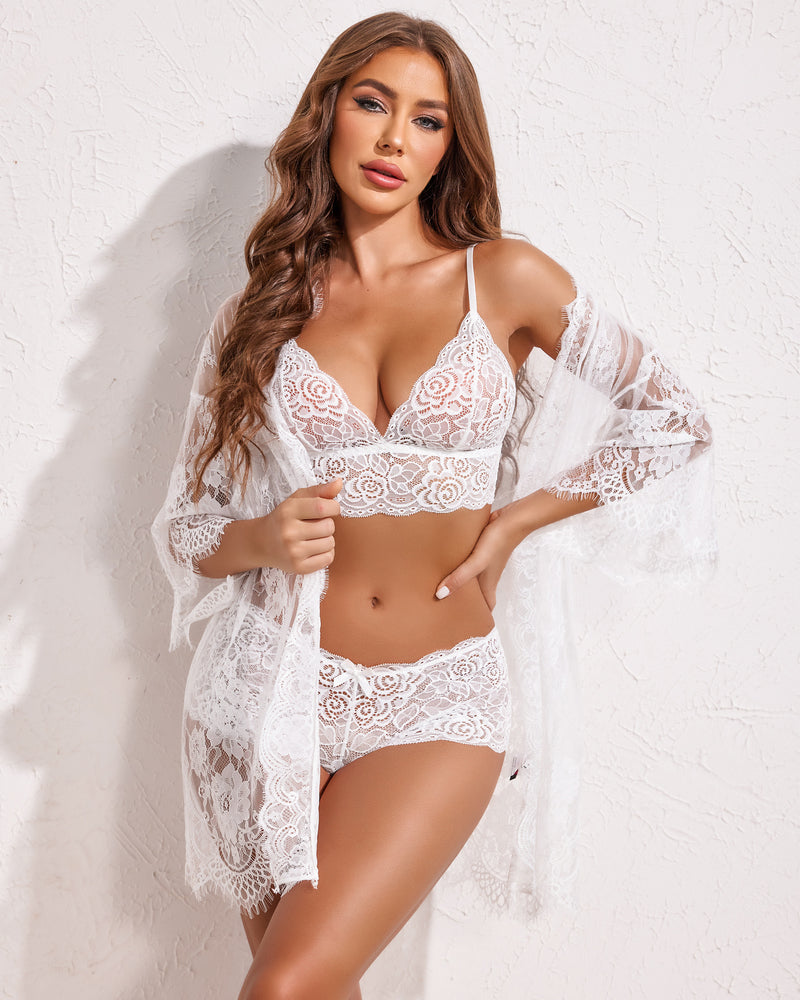


This article explains why your calculated lingerie size can feel wrong and how to choose pieces that truly fit and respect your body.
Do you ever slip into a bra in your “perfect” calculated size, look great in the mirror, and then spend the whole date fantasizing about ripping it off in the restroom instead of your partner? Surveys of women show that most bodies do not line up neatly with a single standardized size, so the chart may be correct on paper while your body is screaming otherwise. The goal is to help you stop blaming your shape, understand what is really going on, and walk away with lingerie that feels like a soft, supportive yes instead of a painful compromise.
The Myth Of The “Perfect” Size
Most brands still build their sizing around a single fit model and then scale that pattern up and down to create every other size. One body, with one specific torso length, bust shape, and hip curve, quietly becomes the blueprint for an entire range. Proportional grading assumes every size will grow or shrink in the same way, but real bodies do not cooperate: waists get softer, shoulders slope differently, torsos run short or long, and age changes where we carry volume. No size chart can fix the fact that the starting point was never actually you.

A survey of nearly 1,000 women on clothing sizes found that only about 23% had the same letter size across bust, waist, and hips, and roughly 27% were wearing a size that did not match what brand charts suggested. Industry data also show that only a small minority of US women have the classic hourglass shape, while most have rectangle, spoon, or inverted triangle proportions. The system is essentially tailored to a body type that is in the minority, and everyone else is told to squeeze in and smile.
Imagine your body for a second, not as a problem, but as a set of facts: maybe a 36-inch underbust, 43-inch full bust, soft upper tummy, and fuller thighs. A size calculator might confidently spit out “38D” for your bra and “L” for your panties. In the fitting room, the band rides up your back, the center gore floats instead of tacking to your sternum, and the leg openings carve into your hips. That is not your body failing a test; it is a pattern and size system that were never designed to accommodate your exact map.
Why Your Lingerie In “The Right Size” Still Feels Wrong
Tight, trendy pieces can look stunning on a hanger and downright hostile on your ribcage. Medical and fashion experts note that tight clothing can restrict breathing, circulation, and skin health, especially when it compresses the midsection or chest. Waist trainers and too-snug sports bras can limit how fully your diaphragm expands, and fabrics that trap sweat can invite rashes or yeast infections. If shapewear or a longline bra has you taking shallow breaths over dinner or leaves angry welts when you peel it off, you are not being dramatic; your body is sending very reasonable distress signals.

Romantic lingerie often piles on all the usual culprits at once: firm elastic bands, rigid lace, narrow straps, and very little allowance for sitting, bending, or breathing through a first-kiss-level heart rate. That lace teddy that looks incredible when you are standing perfectly still in front of the mirror can suddenly feel like a booby trap when you sit down in a booth or climb onto the bed. Squeezing yourself into the smallest size that zips is praised as “snatched,” but if you cannot comfortably hug, laugh, or reach for dessert, that is not sexy; that is unpaid torture.
Design, Fabric, And Ease: When The Label Lies
Even in the same labeled size, fit is heavily shaped by pattern and ease, not just numbers. Sewing experts show that even small pattern changes of about a quarter of an inch can transform comfort, especially around curves like hips, thighs, and crotch. Now think about your bra band or the leg opening of your favorite high-cut brief: a tiny change in elastic length or curve can be the difference between “barely there” and “why is this underwear beefing with my groin.”
Many pulling, twisting, or riding-up issues are not fixable by going up or down one size, because they are baked in at the pattern stage. Missing shaping seams over the bust, cups that are too shallow, or a bodysuit cut off-grain can force the garment to hike up, gape, or dig no matter what size you choose. That teddy that keeps creeping into your butt or that balconette bra that cuts into your upper chest may simply be badly drafted for your proportions, not “too small for you.”
Fit specialists often use the idea that reading the wrinkles in fabric is a reliable way to diagnose fit problems. Horizontal drag lines under your bust suggest the cup is too shallow or the band is too loose; diagonal lines from the underarm toward the bust apex can hint the cup is too small or the strap position is wrong; and vertical folds in the cup can mean your breast root is narrower than the cup’s underwire. Those wrinkles are not a sign your body is weird; they are arrows pointing at what the garment is doing wrong.

When The Number On The Tag Messes With Your Head
Diet culture loves when you blame yourself for a bad fit. But fashion-driven clothing sizes are arbitrary and vary widely, not just between brands but sometimes between racks in the same store. The same person may need almost two sizes larger in a second shop, even though their body has not changed at all. Size labels can flip your mood in seconds, even though they reflect marketing choices and fit models, not your health, worth, or attractiveness.
Body-positive stylists argue that your body is not the problem — the clothing is the problem. When you treat the tag as a performance review, every size up feels like failure, and you will tolerate more discomfort to stay in the “right” number. That might mean keeping a bra that leaves grooves in your shoulders because at least it is a 36 and not a 38, or wearing a thong that rubs because the next size up feels emotionally off-limits.
A real-world example: a client avoided her favorite foods because she was terrified that normal bloating would make her jeans feel tight, mirroring what many people describe when they prioritize clothes over comfort in their daily choices. When clothing dictates how you eat, move, or show up for intimacy, it has stopped being fashion and become a cage.
There is also quiet power in remembering how wildly bodies vary. That clothing-size survey not only showed how rare it is to fit neatly into one size; it also highlighted that the standard base size used by brands did not truly match any of the nearly 1,000 respondents. In other words, the “ideal customer” pattern is basically a ghost. If you do not resemble a ghost, congratulations; nothing is wrong with you.
How To Find Lingerie That Actually Feels Good (And Still Looks Hot)
Start with your actual measurements, not the size you “should” be. Use a soft tape to measure your snug underbust, full bust, natural waist, and fullest part of your hips, then compare those numbers to each brand’s chart instead of assuming your usual size will translate. Research on sizing recommends this approach and notes that many people are surprised by how far their measurements fall from the chart they thought was “theirs,” echoing the survey of nearly 1,000 women on clothing sizes.
When you pick a size, fit the largest area first and plan to adjust the rest. Lingerie fit specialists frequently advise fitting the fullest part of your body—bust for bras, hips for panties and bodysuits—then tailoring or accepting a bit of looseness elsewhere. For example, if your hips are two sizes larger than your waist, choose panties that are comfortable at the hip and let the waistband sit slightly looser rather than carving into your flesh.
Fabric choice can make or break comfort. Technical sewing guides note that stretch fabrics are generally easier to fit because they allow small pattern and body differences to disappear, while wovens with little give demand much more precision. Counselors who work with body image often suggest choosing fabrics with some give during periods of change. Put together, you get a simple rule: for long romantic evenings, reach for soft knits, mesh with elastane, and lace that moves with you, not against you.
Before committing, do a movement test in the mirror. Fit and sewing experts encourage people to bend, walk, and raise their arms when trying garments, because many design flaws only show up in motion. In your lingerie, sit, twist, and mimic how you actually move during a date: reach for a glass, lean over, lie back. If a bra band rockets up your back, cups spill every time you lift your arms, or a thong immediately disappears into places you do not want to think about, that set is not worthy of your body.
Warning signs like numbness, burning, swelling, difficulty taking deep breaths, or recurring rashes are your cue to size up or change styles. Health professionals list these symptoms as red flags that clothing or accessories are harming your body, especially when compression is involved, as shown in research on how fashion choices affect breathing, circulation, and skin. Lingerie should leave maybe a faint imprint after hours of wear, not a topographical map of pain.

Think of each brand like a new sewing pattern: you are allowed to experiment. Pattern-fitting advice for sewists emphasizes making a test version, tweaking, and accepting that good fit is an iterative process, not a one-shot pass or fail. Online shopping can work the same way: order two sizes when you can, test them at home with tags on, move around for ten minutes, and only keep what still feels good once the mirror magic fades.
Here is a quick cheat sheet you can screenshot for your next shopping trip or try-on session:
What you’re feeling |
Likely culprit |
What to try next |
Band rides up, cups feel loose but straps dig in |
Band too big, straps over-tightened |
Go down in band, up in cup; loosen straps and retest your range of motion |
Cups cut in on top, side spillage near armpit |
Cup too small or wrong shape for your breast root |
Try one or two cup sizes up or a style with more coverage and wider underwire |
Underwire or elastic leaves deep, painful grooves |
Overall size too small or pattern too narrow |
Size up, switch to a style with wider band and softer elastic, or a wireless bra |
Thong or brief feels okay standing, unbearable when sitting |
Poor pattern shape or too little back rise |
Try a different cut (e.g., high-leg brief instead of thong) in the same size |
FAQ: When You’re Half Dressed And Over It
Q: If the calculated size feels tight but the next size up looks “too big” on the tag, which should I choose?
A: Pick the one your body can actually relax in. Size labels are inconsistent and often marketing-driven, as shown in work on arbitrary clothing sizes and mood, while your skin and breath are hard evidence. If the larger size lets you move, snuggle, and take a deep breath without pain, that is the sexy choice.
Q: Do I just need to “break in” uncomfortable lingerie?
A: Some materials soften a little with wear, but if a bra or panty is leaving sharp red marks, limiting your breathing, or causing numbness, that is not a break-in period; that is a health risk, especially given known issues with overly tight clothing and circulation or nerve compression. Comfortable lingerie should feel supportive from the start, not like a punishment you have to earn your way out of.
A good romantic outfit should make you feel more at home in your body, not less. The next time your “perfect” calculated size bites, pinches, or distracts you from the moment, remember: the chart was never designed for your exact curves. Your job is not to shrink or contort yourself into a number; it is to demand pieces that rise to the occasion—and to your standards.


 Secure Checkout


