

 11TH ANNIVERSARY

Doing chores in sexy lingerie can shift you from exhausted housekeeper to playful main character, but it only works when it increases your comfort, consent, and sense of power instead of your workload.
You know that moment when you are rage-scrubbing a pan, wearing tired laundry-day underwear, and feeling more like unpaid staff than the star of your own life? Now picture the same sink, but you are in a soft lace bodysuit or matching set, music on, hips swaying, and the chore suddenly feels less like punishment and more like a scene. Women who intentionally pair lingerie with routine tasks often notice a quick mood shift and a stronger feeling of “this is my space,” especially when they use it to reclaim chores rather than to perform for someone else. This guide breaks down what role you are actually stepping into when you clean in lingerie, how it affects desire and mental load, and how to try it in a way that supports your body, your boundaries, and your sanity.
What Actually Changes When You Scrub in Lace?
At first glance, wiping counters in a garter belt sounds ridiculous. Underneath, there is something very real happening: you are swapping the role of invisible domestic worker for a chosen persona, whether that is “soft goddess” in a satin slip or “CEO of this kitchen” in a structured bodysuit. Psychologists use the term “enclothed cognition” to describe how clothes change how you think and behave, and lingerie writers show that dressing up, even under everyday outfits, can noticeably boost self-esteem and body positivity during normal life, not just date night. Lingerie and confidence research highlights that what touches your skin shapes your mindset more than outer layers.
Because lingerie is the first layer against your body, its fit and feel quietly set the tone for the whole day. When bands dig in, straps slip, or fabric scratches, your brain stays in low-level discomfort mode, which chips away at your mood and movement. When the fit is right, you get a steady undercurrent of ease and support that makes it easier to stand tall, breathe deeply, and move freely, which is exactly what you need when you are bending, reaching, and lifting around the house. Writing on well-fitting lingerie and all-day confidence emphasizes that this “background comfort” is what frees up mental energy for work, social life, and yes, chores.
There is also a pleasure piece. Sensual fabrics, colors you love, and a cut that celebrates your actual body instead of fighting it can turn getting dressed into a daily micro-ritual of self-respect. Articles on why lingerie can be therapeutic describe how intentionally chosen sets become a form of self-care, especially for women untangling shame or insecurity about their bodies. When you bring that same “I dressed for me” energy into the kitchen, bathroom, or laundry room, the chore is no longer the whole story; it becomes a backdrop for you feeling like yourself.
Lingerie, Identity, and the Role You Decide to Play
Lingerie is not just about seduction; it is a form of identity expression and inner beauty that most people never see but you always feel. Guides that explain lingerie as an expression of beauty from the inside out underline that what you wear under your clothes can say, “I am soft,” “I am powerful,” or “I am playful,” long before anyone else is in the room. That identity piece is exactly why wearing sexy lingerie for chores can feel either wildly empowering or strangely humiliating.
If the script in your head is “I am putting this on because I like how it feels and I want to enjoy my body while I get life done,” you are stepping into a self-directed role. If the script is “I have to look hot while I clean so I am worth keeping,” that is not a role shift; that is unpaid emotional labor in lipstick. Career-focused lingerie advice notes that choosing the right undergarments for a workday helps women feel competent and credible across office, creative, and physically demanding jobs by balancing comfort, support, and personal style. Lingerie for different career paths shows that what sits under your outfit can quietly dial up confidence in very different environments; the same principle applies at home when the “job” is unpaid household labor.
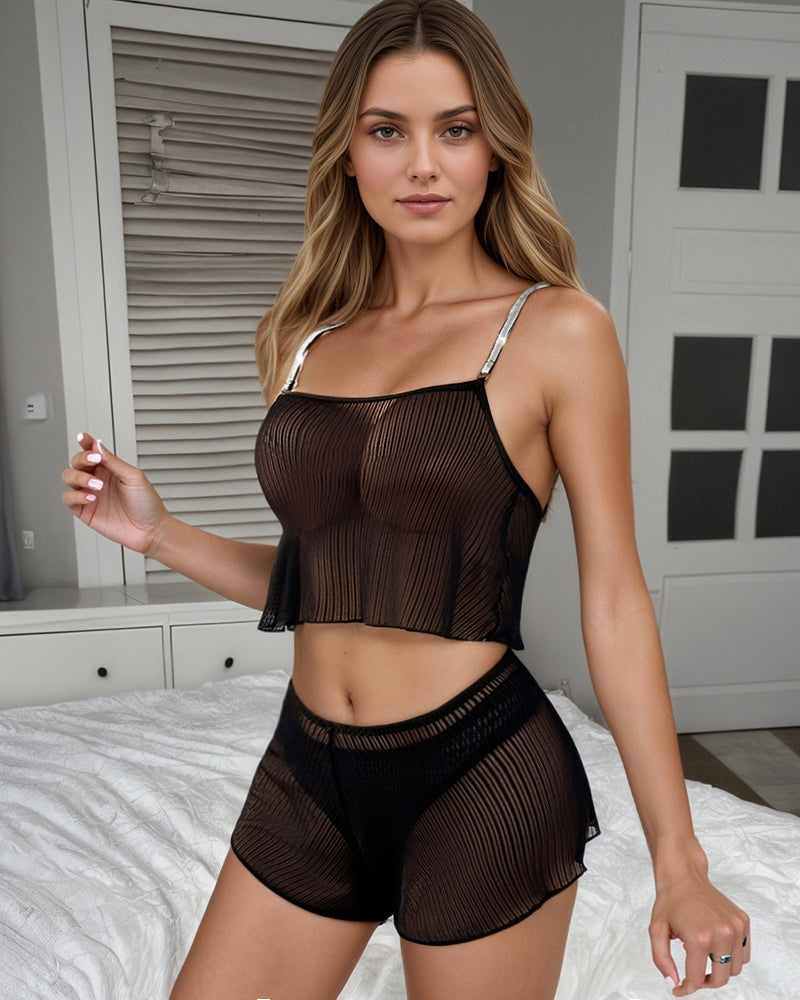
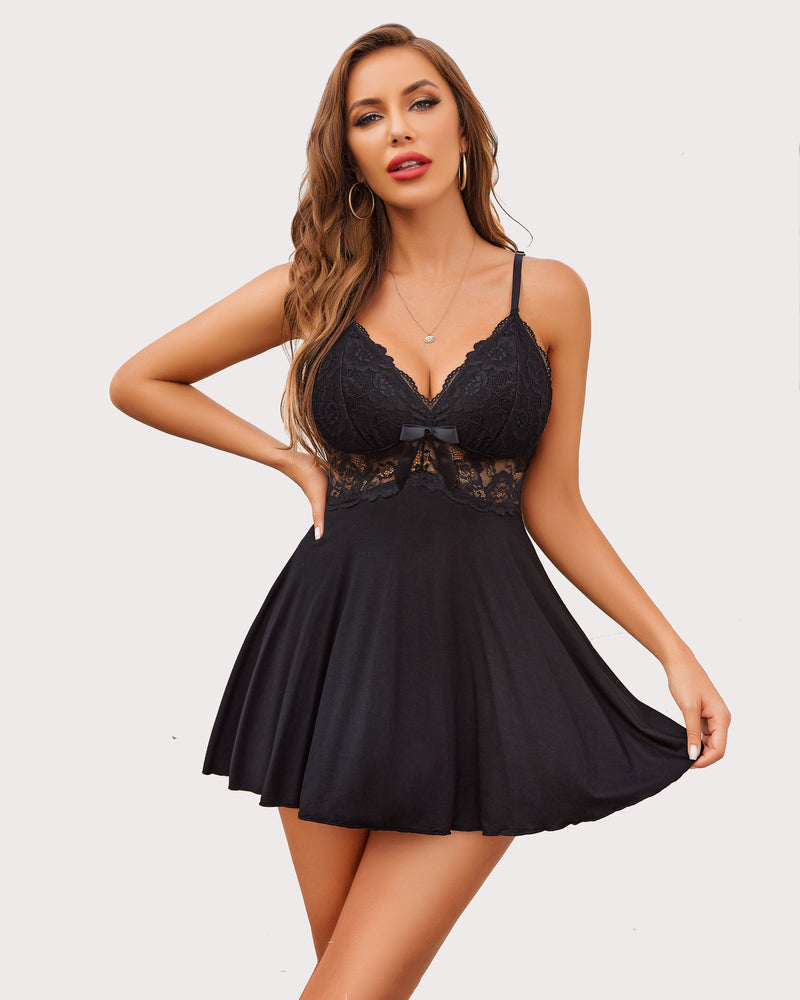
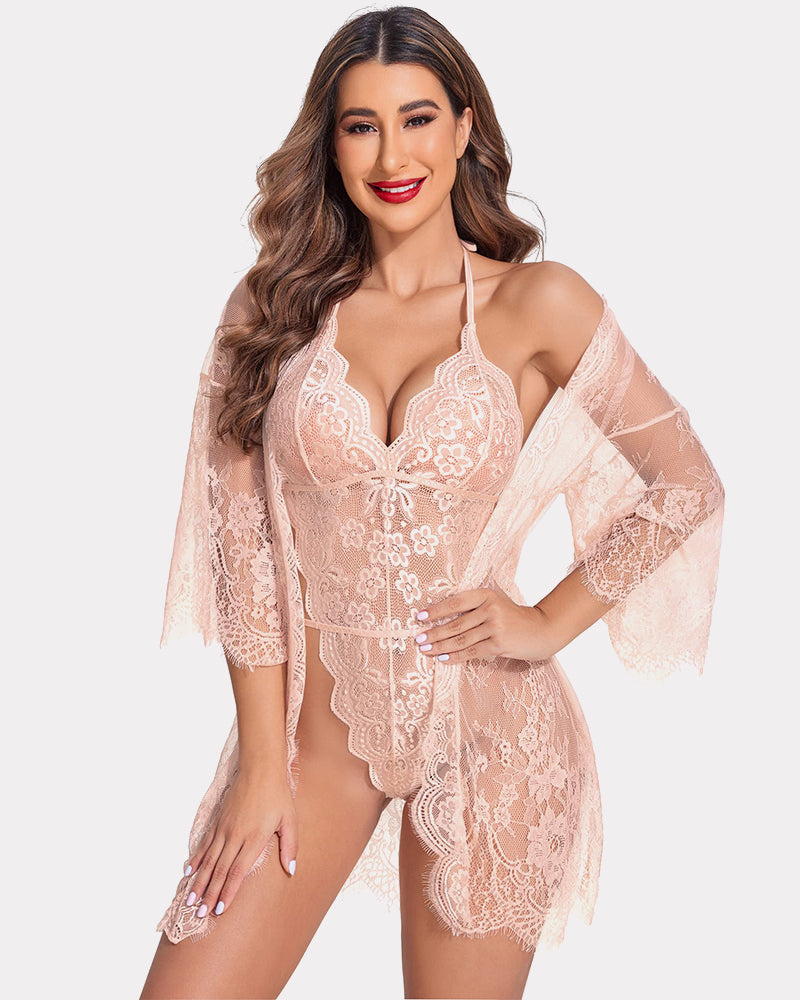
A healthy chore-in-lingerie moment is not about turning yourself into somebody’s fantasy maid; it is about letting your inner persona show up while you live your actual life. That might look like a red lace bra under bike shorts while you vacuum or a stretch mesh slip over high-waisted briefs while you fold laundry, as long as the core feeling is “this is for me.”
Role pattern |
How it tends to feel |
Healthier shift to aim for |
Unseen housekeeper |
Resentful, taken for granted, exhausted |
Main character of your environment |
Performing-only sex object |
Self-conscious, on display, easily depleted |
Sensual, self-directed, free to stop at any time |
Flaw-fixing perfectionist |
Hypercritical, body-checking, tense |
Curious, appreciative of sensations and what your body does |
Chores, Mental Load, and Desire: The Unsexy Truth
If you are already carrying most of the housework and “mental load,” lingerie is not going to magically turn resentment into lust. A large study of women partnered with men found that inequities in who plans, organizes, and does household labor are strongly linked to lower sexual desire for their partners, especially when women feel their partner depends on them to keep life running. Gender inequities in household labor and lower sexual desire showed that it is not just the number of chores but the feeling of unfairness and partner dependence that drains attraction.
Related work on sexual sparks flying when partners do their share of chores echoes the same theme: when chores and planning are shared more fairly, women report higher relationship satisfaction and higher desire for their partners. In other words, putting on a basque to wash floors while your partner scrolls on the couch is more likely to amplify the “I am the help” narrative than to spark healthy desire.
So if you are thinking of introducing lingerie into chore time with a partner in the picture, treat it as dessert, not as a smokescreen for an unfair menu. Have the boring conversation first about who handles what, how mental load is split, and what feels fair. Then, if you both want to play with a “sexy cleaning” scene, it can sit on top of a foundation of respect rather than covering up burnout.
Turning Chores into a Sensual Self-Care Ritual
Chores have surprising mental health benefits even when you are in basic cotton underwear. Routine tasks like tidying, washing dishes, and running the vacuum can reduce stress, build a sense of competence, and create small “I did that” wins that make bigger goals feel more possible. Mindful dishwashing experiments have shown that paying attention to the warmth of the water and the smell of the soap can measurably reduce nervousness and boost positive mood. When you add lingerie you truly like to that picture, you are layering sensory pleasure and self-respect on top of activities that already support your brain.
There is also a physical health angle. Every squat to wipe a low shelf, every walk to put things away, and every arm movement while scrubbing a tub counts toward your weekly activity total. Public health guidance emphasizes that every physical activity you do throughout your day counts, whether it is vacuuming, carrying laundry, or climbing stairs, and these “exercise snacks” improve sleep, brain health, and longevity compared with sitting still. If a silky teddy gets you moving and swaying around the living room for twenty minutes while you dust, that is not frivolous; that is habit-building.
The tools you use also matter. Writers who call themselves former “messy people” talk about how changing their relationship with clutter and picking the right tools made a clean-ish home feel actually doable. A wheeled cart you can roll room to room, a cordless vacuum that makes quick passes painless, or a drying rack that keeps lingerie out of the “over the chair” graveyard can turn chaos into something you can maintain. The idea behind cleaning tools for messy people is not perfection; it is reducing friction so tidying feels less like a battle every single time. Bringing lingerie into that equation can be the cherry on top: you feel good in your skin, and the tools support the fantasy instead of fighting it.
When you put this together, doing chores in lingerie becomes a three-layer ritual.

There is the body layer (comfortable, supportive fabric on your skin), the movement layer (light activity that nudges your heart rate up), and the meaning layer (you are not punishing yourself for a messy space; you are actively caring for it).
How to Try It Without Losing Your Mind (or Your Bra Strap)
Start with comfort and support. Pick pieces you could realistically wear for an hour of bending and stretching: wireless bras or bralettes with wide bands, bodysuits that move with you, panties in breathable fabric, and garter straps adjusted so stockings do not slide off your thighs. Advice on lingerie and confidence and well-fitting lingerie and all-day confidence both stress that comfort is non-negotiable if you want a genuine mood boost. If you are tugging at seams every thirty seconds, the spell is broken.
Then set the scene so your nervous system feels safe, not on display. That might mean locking doors, closing blinds, and choosing tasks away from open windows. Add music that makes your body want to move and lighting that feels flattering. Think of it as building a private stage where you can be playful without worrying that your neighbor or your kids will walk in. If you are sharing the moment with a partner, be explicit that this is about your enjoyment; state upfront if you are not in the mood for sex afterward or if you want any intimacy to be their treat to you, not payment for your “performance.”
Next, redefine what counts as success. Instead of promising yourself an entire spotless apartment while wearing a chemise and heels, pick one zone or one song-based sprint. Fold laundry for two songs, clear one countertop, or sweep one room while your playlist runs. Research on routine tasks shows that small, clearly completed actions drive more satisfaction than vague, endless efforts, and tying those to a short burst of sensory pleasure from lingerie makes it easier to come back to the habit later.
Finally, cool down deliberately. When you are done, change into whatever feels good next: maybe a soft robe, maybe leggings and a T-shirt, maybe you stay in the lingerie under bigger layers. Take ten seconds to actually notice what you did: the floor looks better, the sink is empty, the basket is no longer looming. This is where you let your brain link “when I take care of myself and my space, I feel more grounded,” instead of “I dressed up and nothing is ever enough.”
When It Might Be the Wrong Move
There are days when sexy chore time is a hard no, and honoring that is part of being kind to yourself. If your home is in crisis-level chaos and even walking into the bedroom makes your chest tighten, adding a lingerie performance on top of that is like putting a push-up bra on a broken rib. Viral posts showing photos of a woman's bedroom reveal how powerful depression can be capture how clutter can be a symptom of mental health struggles, not a moral failing. On those days, the most body-positive thing you can do is pick the comfiest underwear you own, grab one tiny task, and treat any progress as a win.
It is also worth pausing if the idea of chores in lingerie feels more like obligation than curiosity. If a partner is pushing you to do it, or you feel you “should” because you are not in the mood for sex as often as they want, remember that research on household labor and desire says the real libido killer is unfair workload, not a lack of frills. Gender inequities in household labor and lower sexual desire and work on sexual sparks when chores are shared both point toward sharing tasks, not just decorating them, as the real turn-on.
You might also skip lingerie for certain tasks for purely practical reasons. Bleach, oven cleaner, and anything involving sloshing dirty water are friendlier to old shorts and a sports bra than to delicate mesh and satin. Think of your lingerie as you would a favorite blazer: fabulous for many situations, but not the uniform for handling harsh chemicals.
FAQ: Real Talk
Is doing chores in lingerie empowering or objectifying?
It is empowering when you are the one choosing the lingerie, the timing, and the chores, and you can stop anytime without guilt. It is objectifying when it is framed as something you owe someone, especially if the division of labor is already unfair. The same bra can feel like armor or a costume depending on who is writing the script.
What if I feel silly instead of sexy?
That is completely normal. Sometimes the first few minutes feel ridiculous because you are stepping out of your usual “sweatpants and resentment” character. If you can lean into the silliness, it often softens self-criticism and lets playfulness in; if it just feels wrong, you are allowed to strip down to your comfy set and call it an experiment, not a failure.
Can this help if I struggle with my body image?
It can, if you treat it as exposure therapy with kindness. Start with pieces that prioritize comfort and softness over maximum reveal, and pick styles that highlight body parts you already like a little. Writing on lingerie and confidence and lingerie as therapeutic self-care suggests that small, repeated experiences of feeling supported and pleasantly held by your underwear can gradually shift body narratives, especially when you are doing ordinary, non-sexual tasks.
Cleaning in sexy lingerie is not a cure-all, but it can be a sharp little tool in your self-worth toolkit: a way to make movement feel more fun, chores feel less punishing, and your own body feel like a co-star instead of a problem. Use it on your terms, in your time, and remember: your body, your floors, your rules.


 Secure Checkout


