
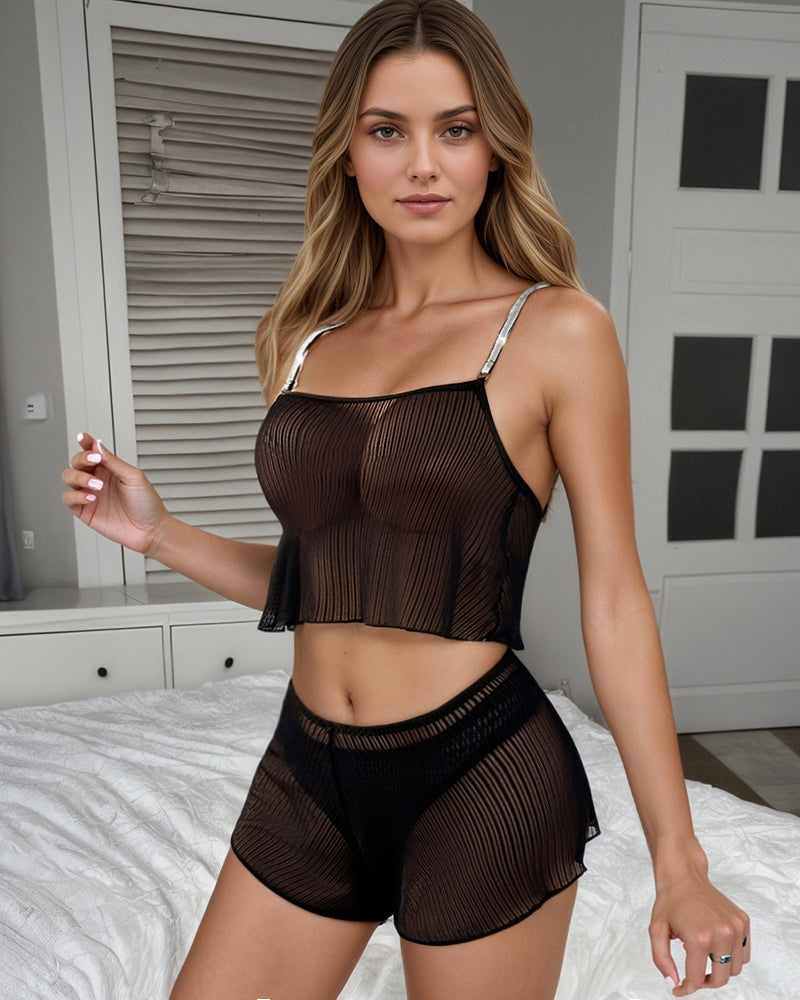
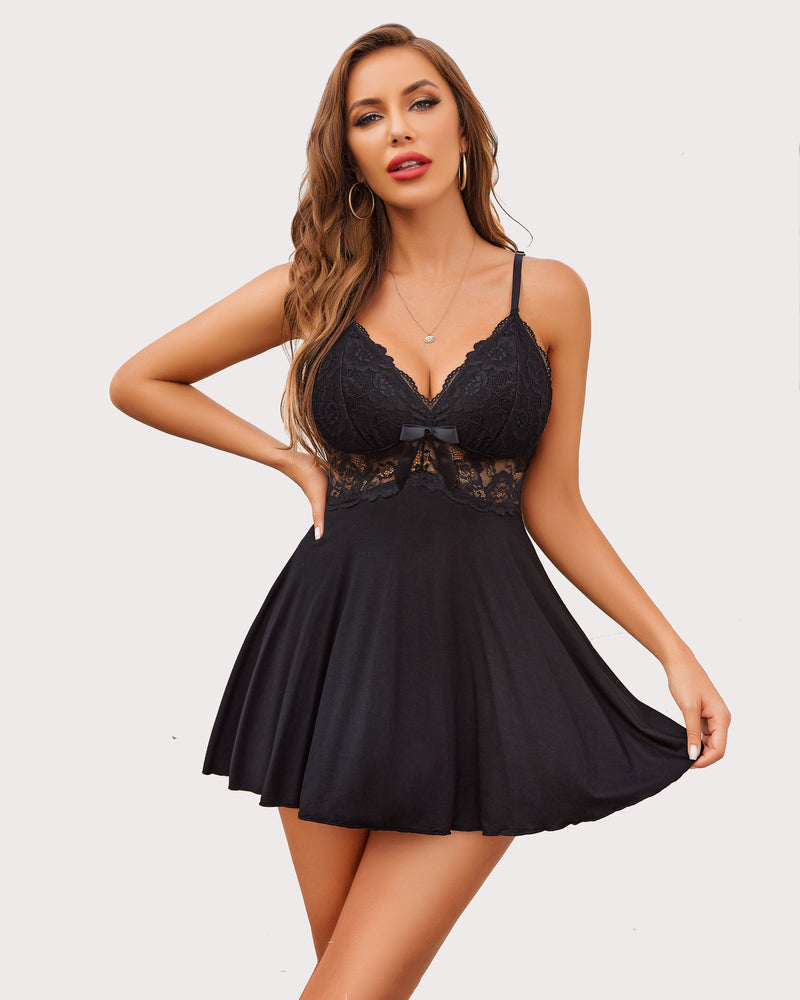
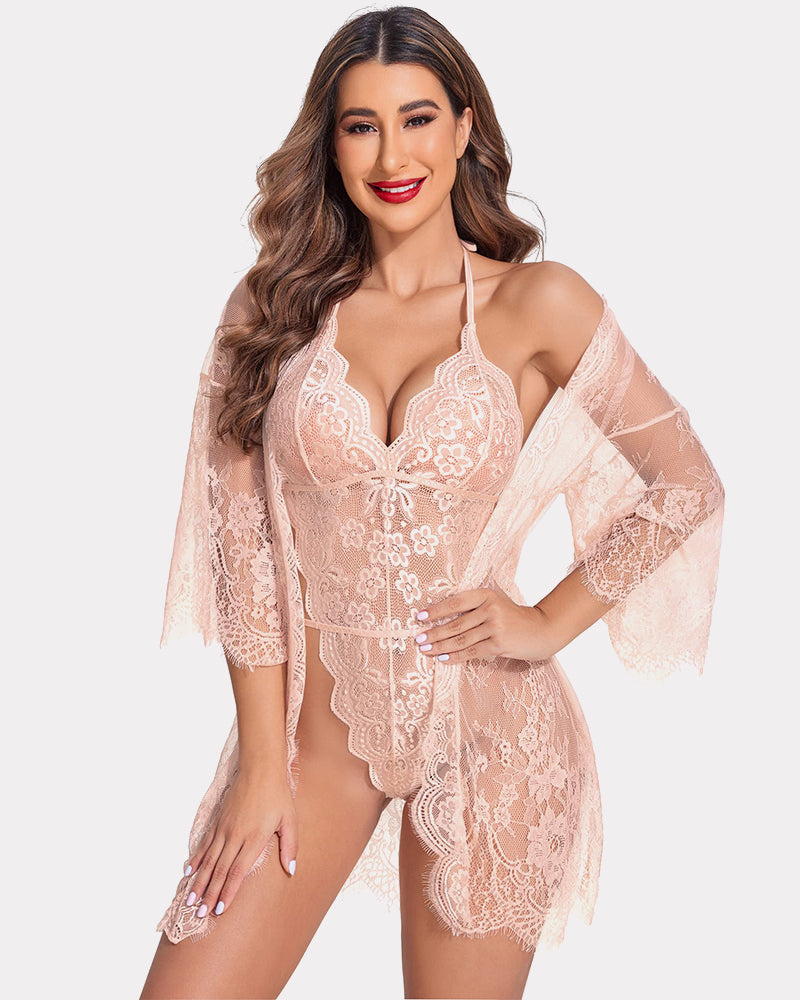
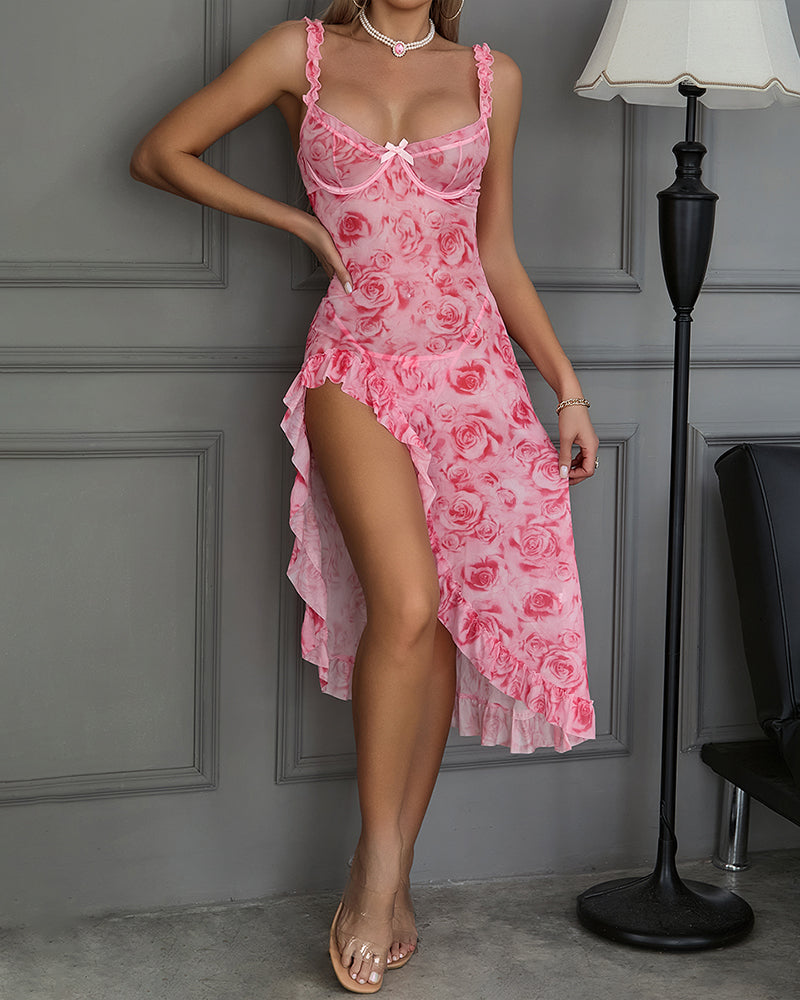


Satin's smooth, reflective weave turns warm lighting into a soft, flattering glow that makes both your body and bedroom feel instantly more romantic.
Satin turns warm light into a soft, liquid glow that wraps both your body and your bedroom in instant romance. Its smooth, lustrous weave catches each ray and turns it into flattering highlights instead of harsh glare.
Picture this: you dim the lamp, slip into your favorite satin chemise, and suddenly the room looks like a movie still instead of an ordinary, messy weeknight. The sheets shimmer, your curves look sculpted instead of scrutinized, and the whole space feels more intimate and intentional. That shift is not about having a model body; it is about how satin and warm light team up to put everything under a softer, kinder spotlight—and you can learn to use that to your advantage.
How Satin's Shine Plays With Warm Light
Satin is a weave, not a fiber, which means its signature shine comes from the way threads float over one another on the surface rather than from the material itself. Those long, smooth thread "floats" create a glossy front and a dull back that reflect light in broad, even planes instead of scattering it, so the fabric naturally looks lustrous and fluid in low, romantic lighting. When that light is warm and amber rather than cool and blue, the reflection reads as candlelit glow instead of spotlight glare.
When that satin weave is combined with fine filament fibers such as silk or polyester, the surface becomes even smoother and more mirror-like, deepening color and amplifying shine along every fold and curve. Silk satin in particular is known for its natural sheen and softness, making it a go-to for high-end lingerie, gowns, and luxury bedding that are meant to glow under low light, while polyester satin closely mimics that shine at a more accessible price point and with extra durability for everyday use. Silk vs satin comparisons consistently point out that satin is chosen when a high-gloss, romantic look matters more than pure breathability.
In interior spaces, designers lean on smooth, reflective textures like satin, silk, and polished metals to bounce light around, brighten a room, and intensify color. Because satin's sheen is more forgiving than a hard, glossy surface, it softens the way light lands on fabrics, turning beds, curtains, and robes into glowing focal points under warm lamps. Studies of texture and emotion in rooms show that reflective textiles such as satin visually enlarge and lighten a space, which is exactly what you want when you are trying to transform a basic bedroom into a romantic cocoon for the night rather than a cave of shadows or a stark hotel room under overhead LEDs. Designers who analyze how texture affects atmosphere also note that shiny fabrics are key tools for creating a sense of luxury and depth.

Glow, Not Glare: Satin Versus High Gloss
Well-chosen satin behaves like a soft-focus filter, not a mirror. Interior design guidance on how different textures reflect light explains that glossy, hard surfaces can throw back harsh highlights and emphasize every sharp edge, while smooth textiles mellow those reflections and make the space feel more comfortable and elegant. Satin fabrics hit that sweet spot: shiny enough to catch the eye, but with enough softness and movement that the highlights glide across the fabric instead of screaming in one blinding spot. Under warm, side-lit lamps, that means ripples of light that follow your body and your bedding, creating movement and romance rather than a flat, shiny sheet that looks plastic in photos.
Texture, Emotion, and Why Satin Feels So Romantic
Psychology of fabric and interiors consistently shows that smooth, light-catching textures are associated with luxury, comfort, and a more "dressed up" mood. When you choose satin for sheets, lingerie, or robes, you are choosing a texture your brain already reads as special-occasion and sensual. Add warm lighting, which interior specialists recommend for relaxed, intimate spaces, and you have a built-in emotional cue that tonight is not just another scroll-through-your-phone-in-leggings evening. Advice on texture and mood in fabrics notes that smooth materials like silk and satin are ideal when you want to feel pampered and confident, which pairs naturally with romantic scenarios.
Satin's physical feel backs up that visual message. Descriptions of satin fabric emphasize its mirror-smooth surface, soft hand, and fluid drape, all of which matter when that fabric is sliding over skin. Instead of dragging or grabbing, satin glides across curves, whether it is a chemise skimming over your stomach or pillowcases brushing your cheek. Home-textile makers point out that satin pillowcases and sheets reduce friction on hair and skin, which is why they are popular in beauty and wellness circles as well as in romance-focused bedroom looks. Satin bedding for home use is specifically marketed as cool to the touch, smooth, and luxurious, which is exactly the combination that makes slipping into bed feel like a deliberate, romantic ritual.
How Satin Flatters Real Bodies Under Warm Light
Brands that focus on the allure of satin fabric in fashion and home decor underline the way satin drapes and flows rather than clings stiffly. That drape is your best friend under warm light. Satin naturally falls into soft folds that create long, continuous lines down the body; the highlights from the lamp skim across those folds, emphasizing flow over any single bump, roll, or dimple. Because satin has superior drape compared with plain-weave fabrics, it moves with you rather than fighting your shape, so your hips, thighs, and tummy read as intentional curves instead of "problem areas."
Under warm lighting, those curves are traced by soft highlights instead of chopped up by strong shadows. Textile experts note that satin's flexibility and lustrous surface make it especially suitable for flowing garments and decorative applications where you want movement and gloss rather than rigid structure, which is exactly why it dominates lingerie, nightgowns, and bias-cut dresses. When you walk across a room in satin under a warm lamp, the fabric sends little waves of light up and down your body, naturally drawing the eye along your silhouette. The effect is sensual and forgiving at the same time, which is why so many people feel instantly more glamorous in satin even when their weight, stretch marks, or scars have not changed at all.
Choosing Your Satin: Fibers, Budget, and Comfort
Guides that break down silk versus satin and other fiber types are clear: satin is a construction that can be made from silk, polyester, cotton, or blends, and your experience under warm light changes depending on which you pick. Natural fibers like silk and cotton tend to be more breathable and temperature-regulating, while synthetics like polyester deliver shine and durability at a lower cost but can feel warmer or clingier. Understanding this helps you choose pieces that not only look romantic but feel good for an entire evening, whether that is a cozy streaming date or an all-out anniversary night.
Here is how the main satin options usually behave when you dim the lights.
Satin type |
How it feels in warm light |
Pros for romantic nights |
Watch-outs |
Deep, natural-looking glow with fluid drape; highlights are rich rather than glassy. |
Breathable, cool against skin, and incredibly soft; ideal for sheets, slips, and robes when you want maximum comfort and luxury. |
Expensive and more delicate; best for low-friction uses and people willing to hand-wash or follow careful care labels. |
|
Polyester satin |
High, mirror-like shine that pops under even a single bedside lamp. |
Very affordable, durable, wrinkle-resistant, and great at holding bold colors for dramatic bedding or lingerie. |
Less breathable, can trap heat and generate static, and may feel a bit "plastic" if the quality is low or the light is very harsh. |
Cotton satin (sateen) |
Gentle sheen, more matte, with a cozy, relaxed vibe under warm light. |
Softer, more breathable, and easy-care; perfect for everyday romantic bedding that still feels special without being slippery. |
Drape is less slinky, and the glow is subtle, so it reads as "comfortable chic" more than high-drama glam. |
Silk–poly blends |
Balanced shine that looks upscale without being too precious. |
More durable and affordable than pure silk while keeping a lot of the softness and breathability. |
Still needs some gentle care, and the exact feel depends heavily on the blend ratio and weave quality. |
If you tend to run hot or live in a warm climate, silk satin or cotton satin sheets paired with a polyester-satin robe or chemise give you the best of both worlds: breathability where your whole body rests and stand-out shine in the pieces you show off when you stand up. Resources comparing silk and synthetic satin bedding often recommend silk for hot sleepers and synthetic satin for cooler nights, but you can also mix fibers across your bedding and lingerie to fine-tune warmth and comfort.
Styling Satin Under Warm Lighting: Bedroom Edition
Home-textile makers highlight how satin bedding and curtains instantly elevate a room by reflecting light, deepening color, and adding a subtle shimmer. If you want maximum romance with minimal effort, start with what takes up the most visual space: your bed. A set of satin sheets or a duvet cover in champagne, blush, deep plum, or midnight blue will catch every bit of warm light in the room, turning your bed into the focal point. Satin drapes or a satin-covered headboard push the effect even further by framing your body in that same glow when you sit or lie down.
Color strategy matters as much as texture. Guides to using satin in decor explain that neutral tones like ivory, champagne, and soft gray deliver understated luxury, while jewel tones like emerald, ruby, and sapphire feel bold and dramatic. Under warm lighting, neutral satin gives you that "hotel, but make it sexy" vibe, while deeper jewel tones read as sultry and cinematic. Because satin holds dye so well, the colors stay rich and intense over time, especially in polyester satin, which designers praise for its strong colorfastness and resistance to fading after many washes.
Lighting is the other half of this romance equation. Interior specialists who focus on cozy, relaxing spaces recommend layered, warm lighting rather than a single harsh overhead fixture, and they specifically point to warm-toned bulbs and dimmable lamps for a softer glow. Applying that same advice to the bedroom, use a couple of bedside lamps or string lights instead of only the main ceiling light, and choose bulbs labeled "soft white" or "warm white" rather than "daylight." Guidance on texture and lighting in interiors notes that warm, diffused light helps fabrics like satin look inviting instead of cold or clinical, which is exactly the vibe you want when the goal is connection rather than productivity.
To keep the room from feeling like a satin explosion, balance the shine with matte, touchable textures. Interior design advice on combining contrasting fabrics suggests pairing reflective materials with things like knits, faux fur, or natural wood so the space feels layered rather than flat. In practice, that might mean satin sheets with a chunky knit throw at the foot of the bed, satin pillowcases against a linen duvet, or satin curtains framing a wall with a textured rug below. The satin catches the warm light and does the flirting; the matte pieces keep everything grounded and cozy.

Satin on Your Body: Lingerie and Robes Under Warm Light
Fashion and decor overviews of satin's versatile uses make it clear why it dominates lingerie racks: the fabric hugs and skims in all the right places while sending that signature shimmer down your curves. Under warm lighting, satin lingerie works almost like contouring without makeup. A bias-cut chemise in a rich color follows your body, and the light traces its seams and hem as you move, drawing the eye along your shape instead of fixating on any single spot. Fuller bust, soft belly, thick thighs, small chest, flat butt—none of that disqualifies you; satin is a team player as long as the cut fits and the fabric is not paper-thin.
If you are nervous about cling, pay attention to weight and cut rather than blaming satin itself. Fabric guides note that heavier satins with good drape are more forgiving and structured, while very light, cheap satins can cling and show every line of your underwear. Choosing a slightly heavier satin slip or robe, or a style with a bit of bias cut or wrap detail, lets the fabric skim over your middle and hips while still catching the warm light beautifully. Under warm lamps, darker colors like burgundy, espresso, navy, and forest green tend to feel mysterious and sculpting, while lighter shades like champagne or blush look soft and ethereal; both can be romantic, so pick the one that matches how bold you want to feel that night.
Pros and Cons: When Satin Is a Love Spell—and When It Backfires
Textile overviews of satin's advantages are very consistent: the fabric offers a luxurious, shiny appearance, a soft feel, elegant drape, strong color vibrancy, and surprising durability in many fiber types. Add in the practical benefits of satin pillowcases for hair and skin, and it becomes clear why satin bedding and lingerie punch far above their weight in the romance department. Smooth, reflective, and kind to skin is a powerful combination when you are trying to feel confident and comfortable while someone sees you up close.
The same fabric guides are also honest about drawbacks. Because the long threads that create satin's shine sit right on the surface, satin fabrics can snag and abrade more easily, which is why they are usually recommended for lower-friction uses like bedding, lingerie, and decorative drapes, not rough everyday upholstery. Synthetic satins may retain heat and generate static, especially in polyester, so they can feel clammy in very hot weather or under aggressive lighting, while silk satin demands gentle care and a higher budget. Comparisons of silk and synthetic satin point out that silk offers superior breathability and temperature regulation but costs more and needs careful laundering, whereas polyester satin is more budget-friendly and durable but slightly less comfortable for hot sleepers.
The key is to let satin do what it does best—shine, drape, and romance—without asking it to be everything. Use it where you want glow and glide, pair it with warm, flattering lighting and a few grounded textures, and choose fiber types that match your real-life climate and laundry tolerance instead of your fantasy self who hand-washes everything.
FAQ
Is satin always hot and sweaty?
Not necessarily. Evaluations of satin made from different fibers show that silk and cotton satin are more breathable and better at temperature regulation, while polyester satin tends to be warmer and less airy. If you run hot, put your budget into silk or cotton satin sheets and pillowcases, then layer polyester satin pieces where they are mostly decorative, such as a robe, eye mask, or throw pillows, so you still get the shine without overheating.
If I can afford only one satin piece, what should it be for romance?
For most people, a set of satin pillowcases is the smartest first buy. Makers of satin bedding point out that pillowcases give you visible shine in the most photographed part of the bed, plus comfort benefits for hair and skin, all with a smaller price tag than a full sheet set. They catch warm light beautifully behind your head, frame your face in that soft glow, and instantly upgrade the mood even if the rest of your bedding is basic cotton.
A close second is a satin slip or robe in a color that makes you feel powerful and delicious the second you put it on, because nothing is more romantic than lighting that flatters a body that already feels worthy of being seen.

Underneath all the fabric talk, here is the real rule: your bedroom and your lingerie should worship your body, not the other way around. Choose satin that feels good to touch, drapes over the shape you have today, flicks that warm light across your curves, and then let the atmosphere you have created do the flirting for you.


 Secure Checkout


