
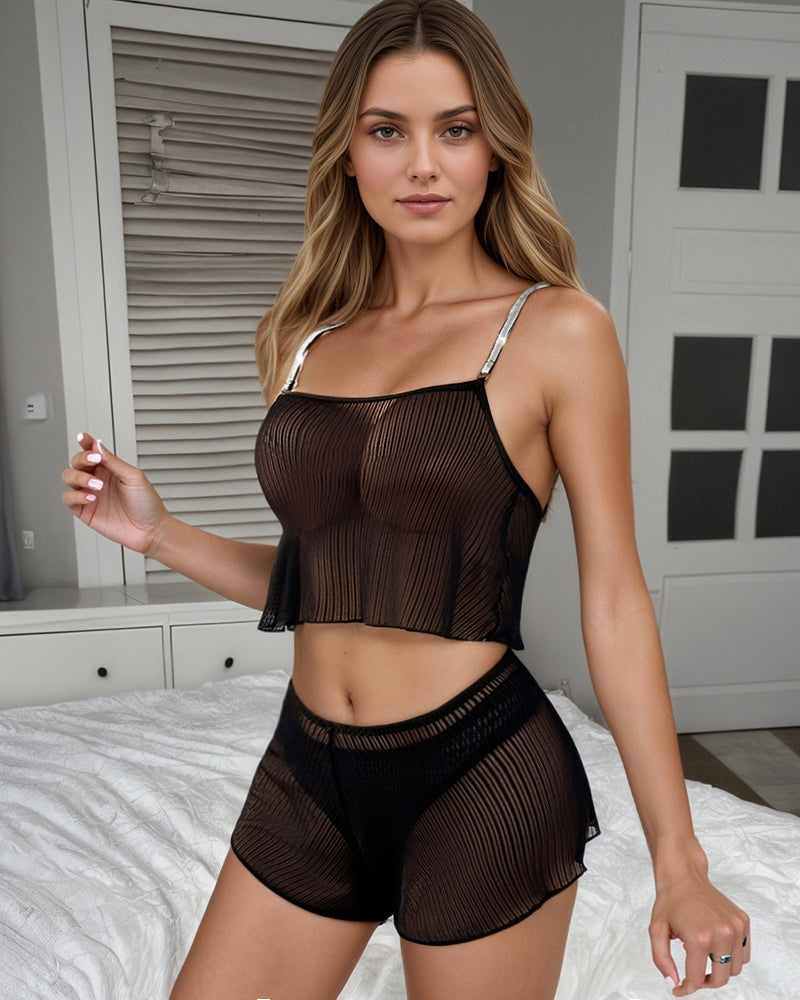



Eco-friendly lingerie can be just as seductive as conventional styles, and recycled lace turns plastic waste and textile leftovers into soft, luxurious pieces that reduce pollution.
You know that guilty twinge when you slip into a gorgeous lace bra and remember that fashion is one of the planet’s biggest polluters? Imagine keeping the plunging neckline, delicate scallops, and bedroom confidence, while the fabric is spun from old fishing nets and lace scraps instead of fresh fossil fuel. With the right brands and a bit of label reading, your top drawer can shift from “cute but questionable” to “sultry, skin-loving, and genuinely sustainable,” and this guide explains how.
What Actually Makes Lingerie “Eco-Friendly”?
Before we get into recycled lace, it helps to know what separates eco lingerie from fast-fashion panties that lose shape within a year and head straight for the landfill. Sustainable lingerie brands design the entire lifecycle with the planet and people in mind: they choose eco-conscious fibers, reduce water and energy use in production, and insist on fair wages and safe factories instead of opaque supply chains. Interviews with these labels show they obsess over careful pattern cutting, stronger threads, and made-to-order or very small production runs so deadstock and textile waste stay low instead of piling up in dumps.
On the fiber side, eco lingerie leans on organic cotton, bamboo, TENCEL lyocell and modal, hemp, and recycled yarns instead of purely petroleum-based polyester and nylon. Organic cotton is grown without synthetic pesticides or fertilizers, which cuts chemical pollution and often uses significantly less water than conventional cotton. Bamboo and regenerated wood-pulp fibers like TENCEL are praised for being soft, breathable, and moisture-wicking. Reports note that these materials are naturally gentle on sensitive skin, reduce irritation, and feel more comfortable for all-day wear than the scratchy synthetics many people grew up with.
Ethics are part of the package too. Many sustainable lingerie brands highlight living wages, safe working conditions, and transparent supplier lists, contrasting themselves with fast-fashion factories where low-paid workers turn out trend-driven underwear that is worn a handful of times and tossed. The point is not perfection; it is shifting from overstuffed drawers of disposable pieces to a smaller, better-made collection that fits your body and your values.

Recycled Lace 101: From Nets and Scraps to Knockout Sets
Traditional lace is usually made from virgin nylon or polyester and dyed with chemical-heavy processes that spill pollution into waterways and shed microplastics with every wash. Recycled lace flips that story. Sustainability reports from lingerie makers show that recycled lace can be spun from discarded fishing nets, lace remnants, and even recycled plastic bottles, turning existing waste into something beautiful instead of pulling more fossil fuels out of the ground.
This is classic circular fashion: instead of a straight line from raw material to landfill, fibers loop back into the system. Industry overviews explain that recycled nylon and polyester divert plastic from oceans and dumps, reduce reliance on virgin petroleum, and still deliver the strength and stretch lingerie needs. Brands that use recycled lace and other recycled fabrics do so to cut demand for new plastic while supporting a more circular economy.
The big question, of course: does it feel good? Designers working with regenerated fibers and recycled yarns report that modern sustainable lingerie fabrics are soft, breathable, and flattering, with moisture management and color retention that rival conventional materials. Tech-focused coverage of fabrics like TENCEL lyocell and modal shows they offer lasting softness, strong breathability, and efficient moisture-wicking, and these newer blends are increasingly paired with recycled synthetics for structure and stretch. Put simply, good recycled lace is designed to feel like the luxe stuff you already love, not like a grocery bag.

Planet Perks: Why Recycled Lace Matters
Fashion is often described as one of the world’s most polluting industries, with hundreds of billions of garments produced each year and tens of millions of tons of clothing dumped into landfills. Researchers looking specifically at lingerie point out that it is a quiet culprit: cheap, synthetic bras and panties lose shape quickly, cannot be resold for hygiene reasons, and are often discarded within a year. Every recycled lace trim replacing virgin nylon is one small brake on that churn.
Articles on sustainable fashion and lingerie stress a few key wins. First, using recycled inputs reduces the need for new petroleum-based fibers, which cuts energy demand and greenhouse gases tied to extraction and production. Second, diverting fishing nets and other plastic waste from oceans prevents long-term damage to marine ecosystems, especially since conventional polyester can take decades to hundreds of years to break down while some wood-based and organic fibers compost in a matter of months. Third, brands that pair recycled lace with low-impact dyeing and water-saving machinery dramatically reduce water pollution and consumption; some manufacturers already reuse a significant portion of their process water and are pushing toward much higher reuse targets.
Eco-living guides also highlight a psychological bonus: choosing recycled and sustainable materials gives many people a sense of agency about climate anxiety. That lace bralette becomes a daily reminder that your sexy side and your eco values are working together, not fighting in the mirror.

Body Perks: Comfort, Skin Health, and Confidence
Healthy-skin advocates call underwear a “second skin” for a reason. Conventional lingerie often uses synthetic fibers and harsh treatments that can irritate sensitive areas, especially when combined with sweat and friction. Reports on eco-friendly underwear and sustainable intimates emphasize that natural and recycled fibers, chosen carefully, can be softer, more breathable, and less likely to trigger rashes or itching.
Brands focusing on sustainable underwear talk about hypoallergenic, non-toxic fabrics and Oeko-Tex–certified materials that avoid certain harmful substances. Moisture-wicking properties in organic cotton, bamboo, and TENCEL-style fibers help move sweat away from the body, reducing odor and lowering the risk of bacterial overgrowth. When recycled lace is used as part of a thoughtfully engineered garment—paired with breathable linings and gentle elastics—you get the drama of lace with less risk of the redness and discomfort that cheap synthetics can cause.
That translates directly into confidence. It is much easier to feel powerful in a lace bodysuit when your skin is calm, your underwire is not digging, and you are not secretly wondering what kind of chemical cocktail is sitting against your vulva all day.
Can Eco-Friendly Be Sexy? The Evidence
Style-wise, sustainable lingerie has grown up. Fashion journalists note that sustainable and eco-friendly lingerie fabrics that are comfortable and flattering are now widely available, and you no longer have to trade support, fit, or style to choose greener options. Labels like Stella McCartney, Naja, Organic Basics, and others combine organic fabrics, recycled fibers, and ethical manufacturing with designs that range from everyday T-shirt bras to lacy showpieces. Niche brands even experiment with unexpected sources, such as wood-based fabrics made from recycled pine needles, proving that “eco” can be inventive, not just beige basics.
In industry case studies, sustainable lingerie brands talk about inclusive sizing, body-positive imagery, and women-led leadership as central to their identity. That means more options for fuller busts, soft stomachs, and all the delicious curve combinations real bodies come in. When that inclusive approach meets recycled lace, you get balcony bras that actually lift, high-waist panties that hug instead of dig, and bodysuits that frame rather than fight your shape.

Sexy stops being “one specific body in a push-up bra” and starts being “you, supported and celebrated, in something that aligns with your ethics.”
In other words, eco-friendly here is not a buzzword; it is a design brief. The sexiness comes from fit, comfort, and attitude, and recycled lace is the material that lets you have all three without trashing the planet.
Recycled vs. Conventional Lace: A Quick Reality Check
Here is how recycled lace generally stacks up when you look under the hood.
Feature |
Conventional Lace |
Recycled Lace |
Main fiber source |
Virgin petroleum-based nylon or polyester |
Recycled nylon/polyester from fishing nets, fabric scraps, or plastic bottles |
Environmental impact |
High energy use, new fossil fuels, microplastic waste |
Cuts demand for virgin plastic, diverts waste from oceans and landfills, supports circularity |
Dyeing and finishes |
Often heavy synthetic dyes and chemical finishes |
Increasingly paired with low-impact dyes and certified processes to reduce toxins |
Feel on skin |
Can be soft but varies widely; cheap options scratchy |
Designed to match or beat conventional softness using advanced spinning and blends |
Price |
Lower upfront for fast fashion |
Higher upfront, but longer-lasting and better cost-per-wear in many sustainable brands |
Consumer and industry reports back this up: sustainable lingerie often costs more at the register because better materials and fair labor are priced in, but it typically lasts longer and retains fit and color better, reducing how often you need to replace it. When you spread that over wear count, many shoppers find the cost per wear compares favorably to cheap sets that warp after a few months.
How to Choose Recycled Lace Lingerie That Actually Works for You
If you want to bring recycled lace into your drawer without falling for greenwashing, start with the label. Textile and lingerie guides recommend looking for phrases like “recycled polyamide,” “recycled nylon,” or “recycled polyester,” and checking whether brands mention sources such as fishing nets, industrial offcuts, or bottles. Strong sustainability write-ups often reference certifications like GOTS for organic fibers, Fair Trade or similar schemes for fair labor, and standards like Oeko-Tex or Bluesign to signal reduced toxic chemicals in fabrics and dyes. Some brands also hold broader certifications like B Corp, which indicates a wider social and environmental commitment.
Transparency is a huge tell. A sustainability newsletter that reviewed dozens of intimate apparel brands found that many still fail at basics like clear environmental policies or living-wage commitments. A brand that offers a vague “eco” page with pretty pictures but no specifics about fibers, factories, or targets is waving a red flag. In contrast, the better sustainable lingerie labels spell out where their materials come from, how they manage water and energy, and what they are doing about waste and end-of-life programs.
From a fit and styling angle, prioritize pieces that match your real life, not just your fantasy self. It often works well to anchor your wardrobe with a couple of everyday sets that combine recycled lace with breathable natural fabrics in the cups or gusset, then add one or two high-drama looks for special occasions. Designers and eco underwear experts emphasize durability and reinforced stitching as key quality markers, so check seams, straps, and closures; if it already looks delicate to the point of flimsy on the hanger, it is unlikely to survive regular wear, no matter how sustainable the fiber is.
Caring for Recycled Lace: Make the Romance Last
Lingerie care tips from sustainable brands are refreshingly aligned: be gentle and your pieces will love you back. They recommend washing in cold water with mild, low-toxicity detergent, avoiding bleach and fabric softeners that can weaken fibers and irritate skin, and air-drying instead of tossing bras in a hot dryer. Storing bras and panties in a cool, dry drawer without overstuffing helps prevent distortion and moisture buildup.
Because sustainable lingerie is usually built with higher-quality materials and construction, these small habits pay off. Articles on eco intimates emphasize that good care significantly extends garment life, which lowers both waste and long-term spending. Think of it as part romance, part routine maintenance: a few extra seconds to fasten hooks before washing or to lay a lace bralette flat to dry can add months or years to its life.
Pros and Cons: Is Recycled Lace Right for Your Drawer?
Recycled lace lingerie shines if you care about aligning your bedroom style with your environmental and social values. It reduces demand for virgin plastics, keeps some waste out of oceans and landfills, and often comes wrapped in broader commitments like fair wages, reduced water use, and low-impact dyeing. For sensitive skin, the combination of recycled lace with organic or TENCEL linings and non-toxic finishes can feel gentler and more breathable than cheap synthetic sets. It also tends to be more durable, so that piece you adore is more likely to still fit and flatter after dozens of wears.
The honest downsides: price and availability. Many sustainable lingerie brands admit that responsibly sourced fibers and ethical production cost more, and that difference shows up in the price tag. Sticker shock is real if you are used to fast-fashion multipacks. There is also a learning curve in decoding labels and avoiding greenwashing, since some brands heavily market “conscious” collections while still using microplastic-heavy fabrics and vague language. For some bodies and sizes, options can still feel limited compared with mainstream giants, though inclusive sizing is a growing focus among eco-conscious labels.
If you can handle fewer pieces and a bit of research, though, recycled lace becomes a powerful way to turn your lingerie into a values statement as well as a pleasure.
FAQ: Quick Answers Before You Hit “Add to Cart”
Does recycled lace feel different from regular lace? Well-made recycled lace is designed to feel just as soft and supportive as conventional lace. Reports on sustainable lingerie fabrics show that recycled synthetics and regenerated cellulosics can be spun for smoothness, stretch, and breathability, and brands using them insist you no longer have to sacrifice comfort or style to go greener. If anything feels scratchy, that is a design and finishing issue, not a recycled-fiber problem.
Is recycled lace lingerie really better for the environment? It is not a magic wand, but it is meaningfully better than lace made from fresh fossil fuels. Industry analyses highlight that recycled fibers reduce demand for new petroleum-based materials, divert plastic waste from oceans and landfills, and can be paired with water-saving and low-tox dyeing methods. You still need responsible brands and mindful consumption, but recycled lace is a strong step in the right direction.
Why is eco-friendly lingerie more expensive? Sustainable lingerie brands are candid that eco materials, small production runs, fair wages, and higher-quality construction all cost more than ultra-cheap, mass-produced underwear. Articles on the topic stress looking at cost per wear instead of sticker price: a recycled lace bra that stays supportive and beautiful for years can work out cheaper over time than replacing a flimsy fast-fashion piece every few months.
Your lingerie drawer does not have to be a graveyard of guilty pleasures and stretched-out straps. With recycled lace and a little intention, it can be a curated collection of pieces that fit your body, light up your confidence, and quietly help clean up the mess the industry made. Now go pick something that makes both you and the planet feel a little more adored.
References
- https://airly.org/en/the-benefits-of-eco-friendly-living-for-you-and-the-environment/
- https://www.contemporaryfashion.com/stories/sustainable-lingerie
- https://journal.gocirculaire.com/is-sustainable-lingerie-a-promising-future-or-an-elusive-concept/
- https://green-tailor.com/7-advantages-of-wearing-natural-fabrics/
- https://lucielalingerie.com/benefits-sustainable-lingerie/?srsltid=AfmBOopzhJ1hFvrwfEicH90-5W-cR9EqoHYeP8m9ZhlYuQPUYY1EjoZJ
- https://blog.shyaway.com/benefits-of-sustainable-lingerie/
- https://makingsustainabilitysexy.substack.com/p/the-current-crisis-the-lingerie-industry
- https://www.andcircus.com/blogs/industry-news/the-rise-of-sustainable-fashion-in-everyday-innerwear?srsltid=AfmBOopNUL_3KBXECVF52xNnygln81GvIzYA7vWxtraUqy3Tl_AMZQsj
- https://www.bareessentials.in/blogs/blog/embrace-sustainable-intimates-discover-the-beauty-of-eco-friendly-lingerie-and-period-panties?srsltid=AfmBOooxyW2qn2hPz6FvXk9l7oFUGUuMqJLuWEJeayN0PZrR6NTZgiHr
- https://erblis.com/blogs/sustainable-lingerie/how-sustainable-lingerie-is-changing-the-industry?srsltid=AfmBOor0OPd-rIsjrNQGwau04oU8x0aiO67rao3F687cQs8yrRXF51ft


 Secure Checkout


