
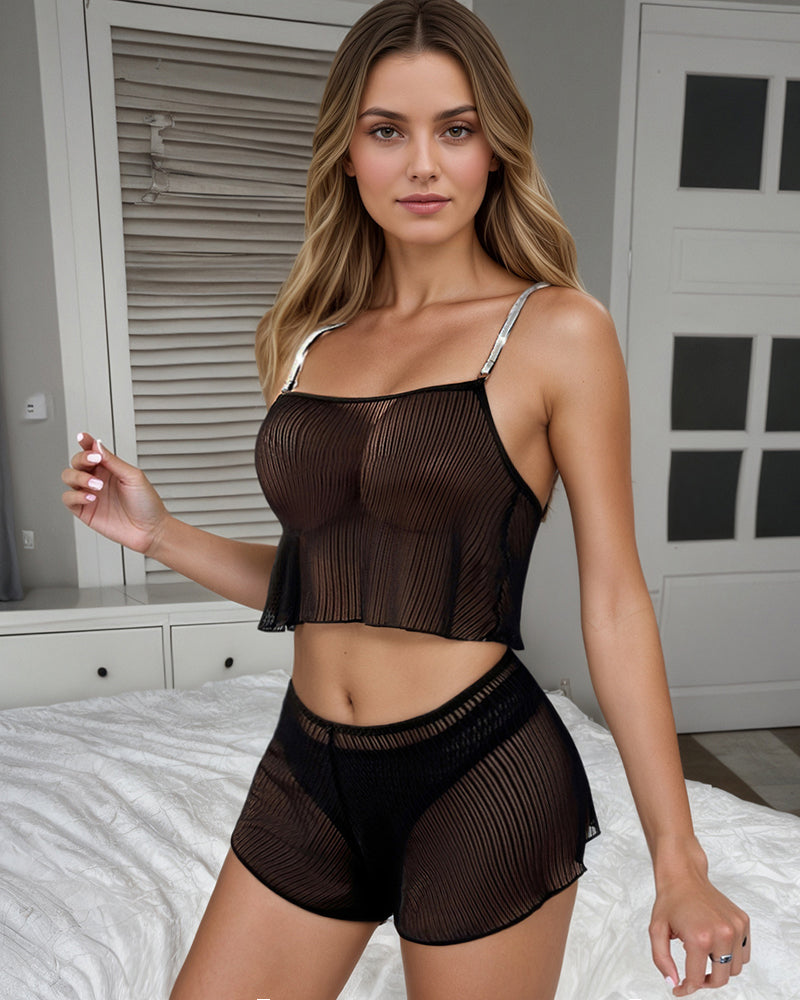
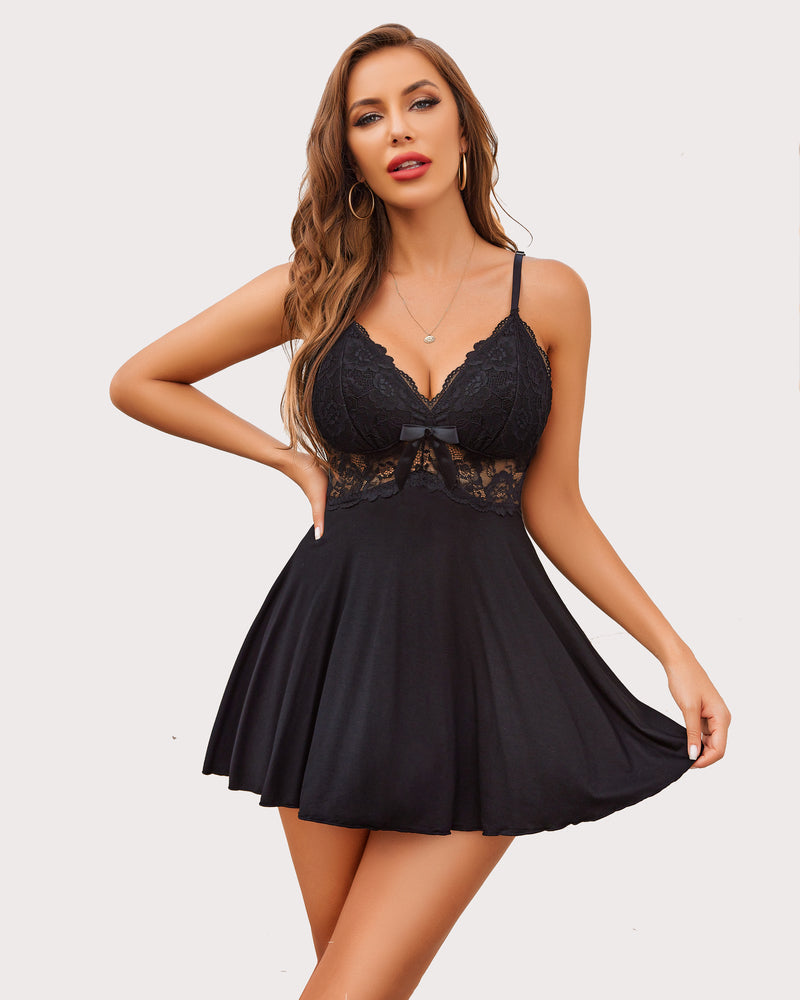
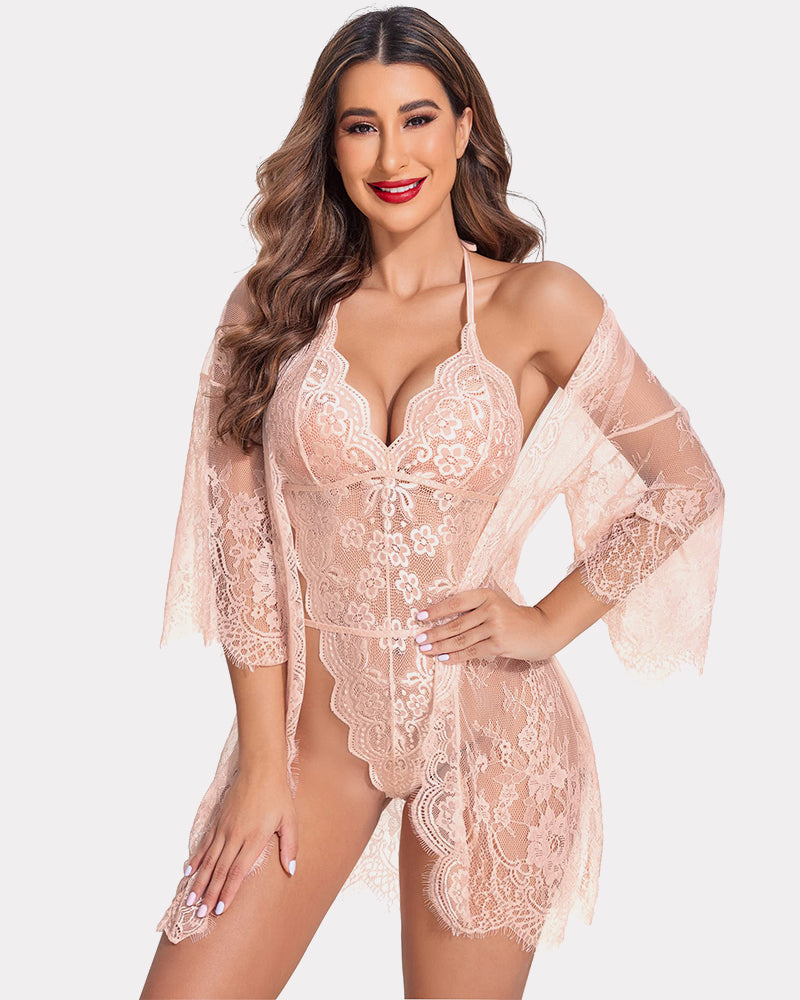



Slip, Chemise, Nightgown, and Slip Dress overlap across brands, so the safest way to compare them is by construction and intended use. Check length, bust structure, straps, lining, opacity, trim, closure, and whether the product is described for sleep, layering, lingerie styling, or outerwear.
Since 2015, Avidlove has focused on the belief that every woman deserves to feel captivating in her own skin — and that starts with knowing exactly what you are buying. A “slip” in one store can be a “chemise” in another, while a “slip dress” might quietly double as a nightgown. This guide gives you one consistent structure to compare all four, so the next product page reads as clarity instead of confusion.
What Actually Changes Among Slip, Chemise, Nightgown, and Slip Dress?
A slip is traditionally used as a base layer. A full slip hangs from the shoulders; a half slip begins at the waist. It adds coverage and helps outer clothing move smoothly. Look for a low-profile neckline, minimal trim, and a hidden hem.
A chemise is a silhouette. This short, pull-on garment hangs from the shoulders and skims the body. Lace, mesh, satin, sheer panels, and decorative straps are common. The word does not guarantee fiber, bust structure, or coverage.
A nightgown is defined by use. It is intended for sleep or lounging and can be short or long, fitted or loose. Soft fabric, comfortable hardware, and room to turn matter more than whether it resembles a chemise or slip.
A slip dress is typically designed for visible wear, although retail naming still varies. It borrows the narrow straps and fluid line of a full slip but is intended to be seen. Its neckline, bust security, opacity, back, slit, and hem must suit the destination.
Where the Names Blur and Why Construction Wins
A mini satin piece may be a chemise by shape and a nightgown by use. A knee-length style may work as a full slip yet appear in sleepwear. A finished midi style can function as a slip dress even when a retailer calls it a nightgown.
The confusion begins when every title word is treated as fact. “Slip,” “chemise,” and “nightgown” may describe possible uses; “silky,” “silk satin,” and “satin silk” do not replace the fiber field.
That distinction matters when comparing satin and silk lingerie. Silk is a fiber; satin is a weave. If composition is missing, do not turn shine into a silk claim.
How to Tell Them Apart: A Quick Comparison and 5-Point Check
Use this as your default lens. Every row is a construction fact, not a brand claim — verify the specifics on the individual product page before you buy.
| Style | Primary Role | Typical Length | Bust and Straps | What to Verify First |
|---|---|---|---|---|
| Slip | Under-dress or under-skirt layer | Mini to midi for full slips; variable for half slips | Usually light support; slim straps are common | Will it stay hidden and glide under the outfit? |
| Chemise | Lingerie, sleep, or lounge | Usually upper-thigh to above-knee | Often soft-cup or unstructured | Is the coverage and trim right for the intended mood? |
| Nightgown | Sleep and lounge | Mini to full length | Any strap or sleeve type | Can you lie down and turn without digging or ride-up? |
| Slip dress | Outerwear dress | Mini to maxi | Bust security and strap stability matter | Is it opaque, secure, and finished for the destination? |
The table narrows the choice, but it is not a rulebook. If the garment fits two rows or its title stacks several terms, run the following check:
- Coverage: Check the neckline, underarm, back, slit, and daylight opacity.
- Length and lining: Decide whether the hem must hide under another garment, allow sleep movement, or look intentionally dressy.
- Expected use: Give more weight to a verified description of sleep, layering, lingerie, lounge, or outerwear than to search-friendly title words.
- Adjustability: Look for strap sliders, stretch, removable pads, closures, or built-in support that suit your body and scene.
- Real material facts: Read the fiber field and care label. Do not let “silky” or a glossy photo stand in for composition.
Together, these tools shift the decision from retail wording to construction and intended use. The best name matches both.
How to Match the Garment to the Moment: Sleep, Layer, or Step Out?
For Sleep: Choose Softness and Freedom to Move
Check strap stability, hem ride-up, and hardware pressure. The AVIDLOVE Satin Dress Mini Slip Nightwear has a mini full slip with adjustable straps and lists 95% polyester, 5% acrylic. Those facts support a sleepwear route; the title does not make it silk.

For Layering: Keep the Base Smooth and Invisible
Choose a low-profile neckline, minimal decoration, and a hidden hem. A close skin-tone shade may disappear beneath pale fabric; black often works under dark clothing.
The Plus Size Full Slips Chemise Nightgown has 100% polyester, adjustable spaghetti straps, an above-knee length, and a stretchy, breathable description. Those facts help you evaluate it as a base or sleep layer; whether it works beneath a particular dress still depends on that dress’s neckline, length, and transparency.

For Outerwear: Test It in Daylight and in Motion
Walk, sit, bend, and take a front-and-back photo in natural light. Add the bra, shapewear, jacket, or knit you plan to wear before deciding. For complete outfit formulas, see how to style a silk slip dress from bedroom to street.
The Satin Lace Removable Pads Midi Slip Dress has a midi length, lace-trimmed neckline and straps, a low open back, removable pads, and a side slit. Those details create strong styling potential, but the open back and front cutout still need a personal coverage check.

You can also explore chemises and silk and satin lingerie, remembering that collection names help navigation but do not prove fiber content or use.
How to Check Which Fits You: Feel Secure, Not Restricted
Start with straps, then evaluate the bust, underarm, body, and hem. Straps should stabilize without digging. The bust should stay covered when you reach and sit; pads should lie flat. Underarms should not gape or rub.
Then, match ease to the job: a slip should glide, sleepwear needs room to turn, and outerwear should remain opaque with a controlled neckline and slit. Hardware should stay comfortable.
Measurements are more reliable than a habitual letter size, especially across collections. Compare your current bust, waist, and hip measurements with the AVIDLOVE size guide, then check the individual product chart and verified stretch notes.
Frequently Asked Questions About Slips, Chemises, and Nightgowns
Is a chemise the same as a slip?
Not exactly. A chemise is usually a short lingerie or sleep silhouette; a slip is primarily an underlayer. One garment can be both when its construction and intended use support both roles.
Can a nightgown be worn as a slip dress?
Sometimes. Check daylight opacity, bust security, back coverage, slit height, lining, and hem finish. A dress-like silhouette is not enough if the fabric becomes sheer or the neckline shifts in motion.
Can a slip dress be worn to bed?
Yes, when the fabric, seams, straps, and hardware feel comfortable while lying down. A structured bust, tight cut, open back, or high slit may look polished outside but feel distracting in bed.


 Secure Checkout


