

 11TH ANNIVERSARY
The “white angel” look tends to invite caretaking and tenderness, while the “dark devil” aesthetic signals power, mystery, and desire; this guide explains why those reactions happen and how to choose each vibe intentionally.
Picture this: you step out in soft white lace and your date’s shoulders drop, their voice goes gentle, and suddenly they are all about blankets, forehead kisses, and asking if you are comfy. Same body, same curves, but in a strappy black set they are wide-eyed, talking less and staring more, like a cartoon wolf trying to remember their manners. That pattern shows up again and again in fitting rooms and date-night recaps: light, angelic styling draws tenderness, while darker “devil” looks draw intensity. Understanding why lets you use both aesthetics on purpose instead of by accident.
What “White Angel” and “Dark Devil” Really Mean
When people talk about a “white angel” look, they usually mean light colors and soft shapes that feel dreamy rather than dangerous. Think cream lace bralettes, ivory slip dresses, blush robes, and floaty skirts that move when you walk, very much in the family of romantic outfit ideas built around chiffon, lace, silk, and muted colors like blush, lavender, and soft sage. On a body, that reads as approachable, cuddle-ready, and emotionally open, even if the cut is still very sexy.
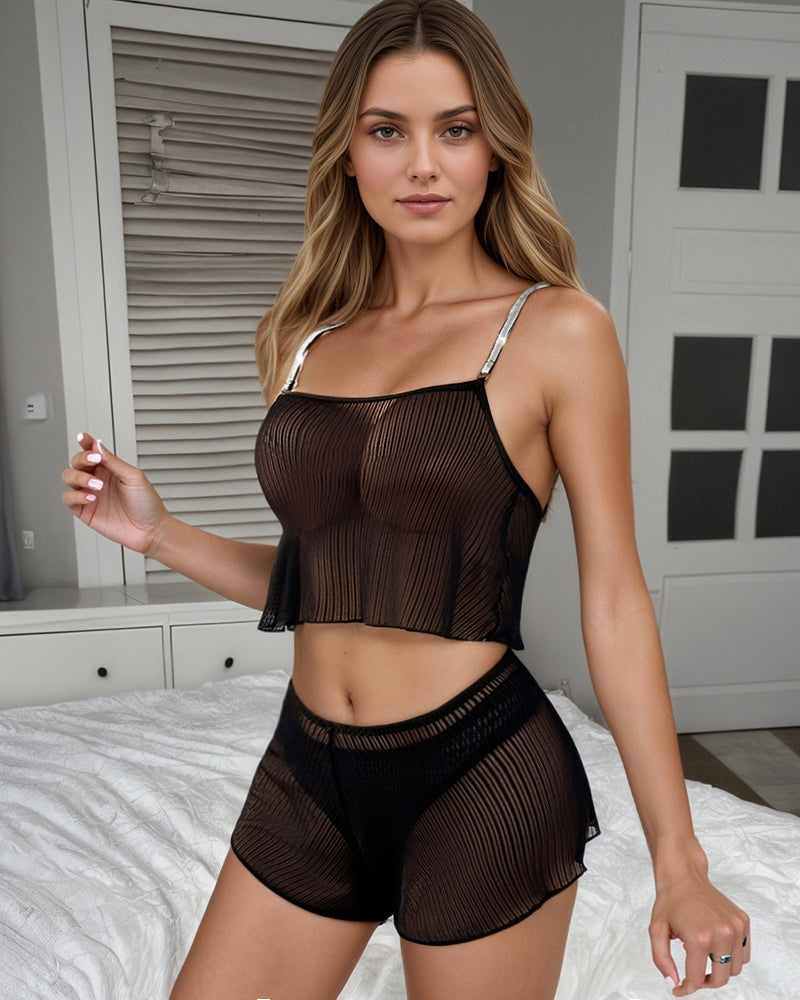
The “dark devil” vibe lives at the other end of the rack: black lace corset dresses, deep red satin, mesh catsuits, and bodycon silhouettes that sculpt and snatch. Bold, ultra-feminine date looks like lace corset minis, cutout dresses, or black lace catsuits are classic examples, with some labels leaning into gloves, high slits, and corsetry to crank up drama and body-contouring power in their date night outfit ideas. The message here is not “handle with care”; it is “try to keep up.”
Neither look belongs to one body type. A soft white slip on a size 2 frame and a long ivory robe over a size 24 body can send the same angelic energy. A black catsuit on a petite silhouette and a ruched corset dress on a fuller one are equally “devil.” The difference is not your size; it is the story your colors and fabrics are telling.

The Color Psychology Behind Angelic and Devilish Vibes
Color psychology is not just aesthetic fluff; it is a real field looking at how colors affect mood, behavior, and even heart rate. Lingerie brands lean hard into that research, with guides explaining that black tends to signal sophistication and strength, red suggests passion, and blue reads as calm and serene, turning your underwear drawer into a mood board rather than just a pile of elastic. One lingerie article on what your lingerie color says about you describes color as a “story” you wear on your body, shaping how you feel and the energy you bring into your day through lingerie colour choices.
In color psychology roundups on lingerie, white is consistently linked with purity, innocence, tenderness, and new beginnings, especially in Western traditions that dress brides in white and talk about “a fresh start.” It acts like a neutral backdrop that lets your skin, eyes, and expressions stay center stage. A detailed guide to picking lingerie color for your skin tone points out that pure white is one of the rare shades that tends to flatter every undertone, alongside blush pink, teal, and eggplant, so a white set can make very fair and very deep skin look equally luminous when you follow an undertone-focused lingerie color for your skin tone approach rather than guessing.
On the darker end, black lingerie is described as the best-selling shade in big department stores and is strongly associated with authority, mystery, sophistication, and a visually slimming effect in color-psychology-based lingerie guides. Red, supported by several lab studies, bumps up perceived sexual attractiveness and spikes heart rate and breathing, while orange is linked with excitement and energy, and blue with calm and trust. When you wrap your body in black and red, you are basically wearing “power” and “desire” on your skin, which shifts your partner’s brain from “protect this soft creature” toward “game on.”
Why the “Angel” Look Feels More Protect-Me Than Ravish-Me
Angel styling layers several soft signals at once. Romantic fashion guides highlight that gentle fabrics such as silk, chiffon, lace, and soft cotton blends, paired with muted pastels and creams, create an aura of tenderness and quiet romance rather than full-throttle seduction, simply by how they drape and move in romantic outfit ideas. When you combine those fabrics with white or ivory, you are stacking softness on softness: the color says “gentle,” the texture says “come closer,” and the silhouette usually floats rather than clamps down.
That combination tends to tap into the part of someone’s brain that wants to hold, not pounce. A white slip that skims your stomach instead of gripping it, a lace robe that swishes around your thighs, bare feet instead of towering heels, and relaxed hair all line up with “this person is relaxed and open; let me keep them safe.” Lingerie style guides that promise to help you find pieces that “bring out your best” rather than hide “flaws,” like an introductory lingerie style guide, support the idea that softness plus self-acceptance reads as something cherished, not conquered.
White also puts your real body on display in a specific way. Because it is bright and reflective, it highlights the natural glow of your skin—stretch marks, scars, and all—instead of carving shadows like black. Undertone-focused advice points out that depth of skin (fair versus dark) does not decide undertone, and that pure white, blush, teal, and eggplant tend to work across the board when you test things with simple tools like a white-paper test and vein-color check in a lingerie color-for-skin-tone guide. When the color is almost guaranteed to flatter, your partner’s first reaction is often “you look so soft and beautiful,” which naturally invites protective instincts.
Important nuance: angel energy is not weakness. You can wear the softest white lace, sound sweet, and still hold your boundaries firmly. The look invites caretaking, but your words and rules decide what actually happens.
What the “Dark Devil” Look Signals Instead
The “dark devil” outfit leans into colors and construction that cue intensity and control. Black, deep red, and other saturated jewel tones like emerald and royal purple are described in lingerie color psychology as shades of authority, ambition, power, and dramatic sensuality, with black especially flagged as the choice when you want to take control and make an unforgettable impression in lingerie color stories. Add structure such as boning, corseted waists, cut-outs, and bodycon silhouettes that visibly shape your figure, and the whole message is “I know exactly what I am doing here.”
That is why a black lace corset dress with gloves, or a lace catsuit with a high-slit skirt, lands totally differently from a sheer white chemise, even if the coverage is technically similar. In practice, partners often respond to these looks with more staring, more joking about misbehaving, and a stronger focus on your body as a fantasy object. The vibe is not “are you warm enough?” It is “how am I supposed to keep my hands to myself?”
The “underwear as outerwear” trend pushes this even further. When you wear a corset as a top with jeans and a blazer, or a black lace bodysuit tucked into tailored pants, you are telling the room that you are not shy about your lingerie or your curves. Styling experts note that pieces like spiral-boned corsets and underwire silk bras can be comfortable and supportive enough for all-day wear, but they still broadcast bold confidence when on display. That makes people less likely to slip into a protective role and more likely to see you as the one steering the night.
There is a flip side, though. For some, dark, structured lingerie feels like armor. If you are feeling fragile, a black set might make you feel held together and less exposed than bright white. The devil aesthetic can be a way of protecting your own feelings, even as it looks more intimidating from the outside.
How to Choose Your Look on Purpose
Under all the color psychology and poetic language, lingerie is still the foundation of how your clothes sit on your body. Guides to basics like bras, panties, and underpinnings hammer home that the right fit gives you comfort, support, and a smooth base so the fun pieces on top can really shine, and so you are not thinking about digging straps or rolling bands while you are trying to flirt. Get the fit right first; then the angel-or-devil question becomes pure styling, not damage control.
Check Your Undertone, Not Your Size
One of the smartest shifts you can make is to choose angel and devil colors based on undertone instead of weight or shade. Undertone guides break skin into warm, cool, and neutral categories using quick checks: white paper against your face, vein color on your wrist, and how your skin behaves in the sun, with the reminder that fair and dark skin can both be warm or cool according to detailed lingerie color for your skin tone advice. Cool undertones glow in emerald, deep purples, and ice blues; warm undertones sing in red, peach, coral, and gold; neutrals can wear nearly anything, with softer, slightly muted shades often looking best.

For angel looks, that might mean cream, soft blush, or icy lavender instead of stark paper white if pure white feels harsh on your particular skin. For devil looks, a warm undertone might lean into tomato red or burgundy, while a cool undertone reaches for blue-based reds or inky violet. The goal is not to obey rules; it is to pick a light and a dark option that make your skin look expensive, so you feel like the main character whether you are in halo or horns.
Match the Vibe to the Occasion
You can also decide based on context. Clothing brands that focus on date-night dressing talk about matching fabrics and silhouettes to the setting, with curated date outfits that emphasize figure-sculpting dresses, little black dresses, and satin co-ords that make you feel “10 out of 10” for everything from dinners to drinks, as shown in this glamorous date outfit collection. That same logic works with your lingerie.
If it is a first-time sleepover or a night when you are both vulnerable, a white angel look can soften nerves and encourage cuddling. If it is your birthday, an anniversary in a hotel, or a night you already feel like a powerhouse, the dark devil look supports that energy. Styling details on top make a huge difference: date-night advice columns recommend finishing touches such as a bold red lip, statement earrings, a clutch, tights, and comfy yet elevated shoes to steer the mood of any outfit, as outlined in date night finishing touches. A white slip with bare skin, glowy makeup, and soft waves reads angels-and-ice-cream; the same slip with a red lip, smoky eyeliner, and high heels suddenly leans devil, even though the base garment did not change.
Respect Your Budget and Your Drawer
You do not need a giant lingerie wardrobe to play with angel and devil vibes. Start with two workhorses: one light, one dark, both comfortable enough that you actually reach for them. Then you can expand slowly, adding color variations when you have the bandwidth. If you want to experiment without committing your entire paycheck, roundups of pretty, affordable lingerie and under-$40 sets help you test silhouettes and colors without long-term guilt, as budget-conscious fashion writers show in pieces focused on lingerie under $40 and pretty affordable styles.
From there, think about care and longevity. Whites and pastels usually need gentler treatment: hand-washing in cold water with mild detergent, skipping bleach, and air-drying so they stay bright and soft. Dark satins and laces also appreciate delicate washing and flat drying, but they hide minor wear better and are less likely to stain if you get a little messy with makeup or chocolate.
Here is a quick comparison to help you decide where each look earns its space:
Look |
What it signals |
When it shines |
Potential downside |
White angel |
Softness, openness, tenderness, trust, and a focus on your natural glow |
First-time intimacy, anniversaries, cozy nights after a hard day, or any time you want cuddles and care |
Can feel “too bridal” if you dislike that vibe, may show every spill or self-tanner mark, and can feel exposing if you are not used to light colors |
Dark devil |
Intensity, authority, mystery, high confidence, and a more overtly sexual energy |
Birthdays, hotel nights, club dates, or evenings you already feel bold and want to take the lead |
Might intimidate a sensitive partner, can feel like a costume if you are not in the mood, and heavy dark shades may overwhelm very delicate features |
Neither column is morally better. They are just different tools in your drawer.
Quick Q&A
Does choosing the white angel look mean I am asking to be babied?
No. The white angel aesthetic can invite softer behavior from other people because of how culture codes light colors and romantic fabrics, but you still decide how you are treated. You are allowed to look sweet and still insist on enthusiastic consent, clear boundaries, and a pace that feels good to your body.
Can I mix angel and devil energy in one look?
Absolutely, and it can be the most fun option. A cream lace set with a black garter belt, a white slip dress with dark berry lipstick, or teal and eggplant pieces that balance warm and cool notes, like those highlighted as universally flattering in undertone-based lingerie color guides, give you “sweet but dangerous” energy in a single outfit. That way your partner sees softness and power at the same time and has to respect both.
What if my partner does not react the way this pattern suggests?
Then your dynamic has its own wiring, and that is not a problem. Color psychology talks about tendencies, not rules, and personal history, culture, and preferences make a huge difference in how people read clothes. Pay attention to how both of you actually feel in different looks, keep the pieces that support the kind of intimacy you want, and remember that you can retrain patterns over time.
At the end of the day, the “white angel” look tugs on protective instincts because it stacks signals of softness, trust, and emotional openness, while the “dark devil” aesthetic leans into power and heat. You get to choose which one serves you on a given night, or mix them into something that feels even more like you. The only rule is that the lingerie, not the story in your head, should be the tightest thing in the room.


 Secure Checkout


