
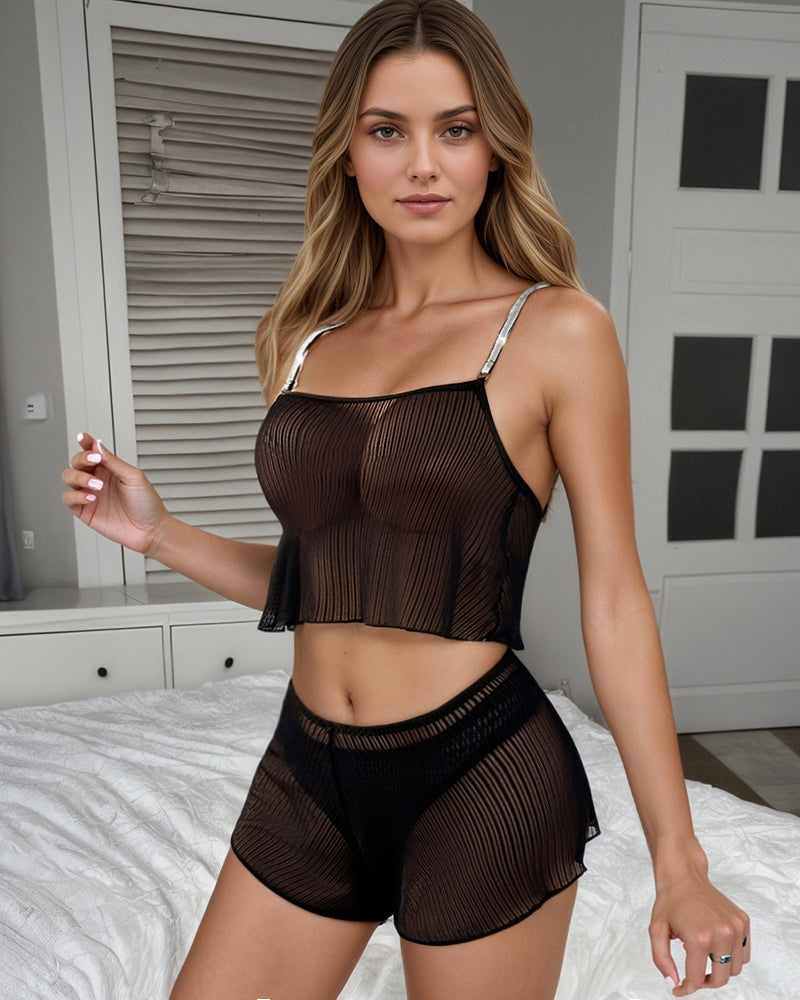

A silk slip dress can absolutely stand in for an evening gown when you get the fabric, fit, shoes, layers, and accessories working together.
You know that silky slip you love for lounging, but the moment you think about wearing it out, a little voice whispers, “Is this pajamas or am I about to scandalize the restaurant?” The difference between looking half-dressed and looking breathtaking is usually a few smart tweaks, not a whole new dress. By the time you zip your bag, you will know how to pick, layer, and accessorize your slip so it walks into any evening like it owns the room.
Slip vs Evening Gown: What Actually Matters
A classic slip dress is a minimalist, body-skimming silhouette in silk or satin with slim straps and a fluid drape that was born in the bedroom and graduated to the street. It now shows up everywhere from brunch to black-tie weddings. That evolution from lingerie to main-character piece is exactly why brands showcase slip dress styling for everything from offices to formal events, pairing them with blazers, heels, and statement jewelry to raise the dress code. Slip dress styling and slip dress outfits both treat the slip as a long-term, day-to-night staple rather than a one-note nightgown.
Traditional evening gowns and silk slips rely on the same pillars: elevated fabric, intentional color, and dress-code-appropriate styling. Evening-gown guides point to rich materials, dramatic lengths, and bold yet polished colors like jewel tones and classic black as the backbone of formal dressing. All of that translates beautifully to slip dresses when you choose your piece wisely and layer it well. Current evening gown trends emphasize luxurious textures, deep tones, and strong yet simple shapes, which is exactly the energy a good silk slip already has built in.
The real difference is structure. A traditional gown often has boning, built-in cups, and layers of fabric that “do the work” for you, while a slip is lighter, more honest, and much more dependent on what you wear with and under it. That makes a slip brutally honest but also wildly versatile. One silk midi slip worn to a wedding, a gala, a date, a holiday party, and a fancy birthday dinner becomes five distinct looks once you change shoes, jewelry, and outerwear. That is the kind of cost-per-wear math an overstuffed closet could only dream of.

Here is how a slip stacked against a classic gown looks when you style it right:
Aspect |
Silk slip styled as evening gown |
Traditional evening gown |
Comfort |
Light, breathable, easy to move and dance in |
Often heavier, more structured, sometimes restrictive |
Versatility |
Rewearable with sneakers, boots, or heels across many occasions |
Usually reserved for formal events only |
Body honesty |
Shows real curves and requires smart undergarments |
Can “hide” more with lining and corsetry |
Packing |
Rolls up small in a weekender bag |
Bulky, often needs a garment bag |
If you want your slip to read like an evening gown, think less “lingerie vibe” and more “sleek column dress that happens to feel like pajamas.” That means being picky about the slip itself before you even touch shoes or accessories.
Step 1: Choose a Slip That Can Handle the Spotlight
Start with fabric. Silk is the power move: it is a natural fiber with a soft glow and fluid drape that instantly looks more expensive than it probably was, especially in midweight weaves that skim rather than cling. Slip collections that mix silk-like fabrics with more lounge‑oriented knits show how much the material alone shifts the mood from couch to cocktail. Modern lines of slip dresses lean into this, offering everything from slinky, occasion-ready finishes to softer, everyday versions so you can decide how dressy you want to go.
Satin is a weave, not a fiber, and synthetic satins can look glossy but sometimes feel less breathable and age faster. They are great for testing the silhouette, but if you already know you love the look and want it to moonlight as an evening gown, silk or a high-quality silk-satin blend is where your money works hardest over time. If you wear a well-made slip once a week for five years, that is around 260 wears; even if it cost $200, you are paying well under $1 per wear for something that looks luxe every single time.
Length is your next non-negotiable. Multiple style guides frame midi and maxi slips as the most formal-friendly: midi lengths that hit mid-calf work seamlessly for the office, dinners, and weddings, while full-length styles bring drama when you step out of an Uber or climb a staircase. Slip dress styling advice consistently nudges midi and maxi lengths, especially when paired with blazers and refined shoes, because the longer hem feels more intentional than a tiny, flirty mini in professional or dressy settings.
Neckline and straps do the final heavy lifting. V-necks and subtle cowls read romantic and elongate your torso, while straight necklines are a layering dream because they disappear under blazers and sweaters without awkward bumps. Slightly wider straps make it easier to wear a supportive bra without playing peekaboo all night. Inclusivity-focused styling for slip lovers over 50 highlights features like thicker straps, modest cowls, and thoughtful cuts to make the dress feel wearable on real bodies rather than limited to runway figures, which is exactly the energy you want for a confidence-boosting night out. Those practical details show up in real-world content about how to wear a slip dress over 50, and they work at any age.
If you own only one “evening” slip, go for a midi or maxi in black, deep navy, chocolate, champagne, or a rich jewel tone. One dress in one of these shades can carry you through an entire season of events with nothing more than a shoe and accessory shuffle.

Step 2: Make It Look Like an Evening Gown with Shoes and Accessories
Shoes are where many people accidentally sabotage their slip. The same dress that looks red-carpet ready with metallic heels can read “Saturday errands” with chunky sneakers.
Style experts consistently pair refined silk or satin slips with strappy sandals, classic pumps, or pointed-toe heels when they want a polished, formal finish. Slip styling guides highlight heels as the quickest way to add height and sophistication, especially in neutral or metallic shades that reflect the dress’s sheen rather than fighting it. Both slip dress styling and broader advice on shoes with dresses treat sleek heels as the default for evening fabrics like silk and satin.
If you live in flats, you are not banned from the party. Shoe guides devoted to flats with dresses argue that embellished flats, pointed-toe ballet styles, and ankle-strap designs can look just as dressy as heels when the rest of the outfit is polished. A satin midi plus rhinestone flats and a structured mini bag reads a lot closer to “elegant” than “lazy” when the details are intentional.
Think of it like this:
Shoe choice |
What it does to your slip |
Metallic strappy heel |
Turns it into instant cocktail attire and reflects the slip’s sheen |
Nude or black pointed pump |
Classic, leg-lengthening, safe for weddings and work events |
Embellished dressy flat |
Keeps you comfortable while still looking formal and photo-ready |
Sleek ankle boot in leather |
Adds edge; works best with midi or maxi slips for modern evening looks |
Clean white sneaker |
Dresses the slip down for daytime; not your first pick for a formal invite |
Accessories deliver the final verdict. Styling guides regularly suggest using one strong jewelry statement—like chandelier earrings or a bold necklace—to glam up a basic slip for evening, rather than piling everything on at once. How to style a slip dress for any occasion and event-focused slip inspiration recommend statement jewelry plus a small clutch or structured handbag instead of the everyday catch-all tote, because your bag telegraphs how serious the outfit is from across the room.
A simple formula you can test in your own mirror tonight is this: take your silk slip, add strappy metallic heels, swap your big daytime bag for a small clutch, put on one visible piece of jewelry you actually love, and stand under good lighting. Most of the time, the dress suddenly does “evening gown” levels of work without a single stitch altered.
Step 3: Layer Like a Stylist: From Bedroom to Street
Layering is where a lot of the lingerie look disappears and the outfit starts feeling like fashion. Fall-focused styling for slips insists that treating the dress as a base layer, not a standalone piece, is the key to making it look intentional and seasonally appropriate. Guides on how to style a slip dress for fall and slip dress outfits repeatedly top slips with leather jackets, cardigans, bombers, trenches, and long coats to tune the formality up or down while adding warmth.
For an evening-gown moment, a structured blazer or tailored long coat is your best friend. Layering a blazer over a slip is a go-to suggestion for making the dress feel more formal and office- or event-ready, particularly in darker colors and midi or maxi lengths. Formal outfit ideas extend this into the evening with refined outerwear inspired by evening gown trends, like long wool coats and dramatic wraps.
If your style leans edgy or you want something less buttoned-up, leather and denim jackets over slips have become mainstream enough to appear in both runway-inspired and real‑life guides. Some stylists even pair silk dresses with sneakers or sleek hybrid sneaker-flats to create a ’90s-inspired high/low mix. Those silk dress and trainers looks prove that smooth silk plus casual shoes and sporty outerwear works beautifully for daytime; for evening, the same jacket can stay while your shoes, bag, and jewelry go more glam.
Do not underestimate what goes under the slip, either. Layering thin turtlenecks or fitted tees underneath is a recurring suggestion in both fall-focused styling and over‑50 slip guides, because it adds coverage and warmth without adding bulk at the waist. Articles on how to wear a slip dress over 50 show how underlayers, cardigans, blazers, and even sweaters worn over the slip to make it look like a skirt transform what could feel revealing into something many-body-friendly while still chic.
One easy test you can run in your own closet is to treat the slip like a skirt. Throw a chunky sweater over it, then lightly tuck the front hem of the sweater into a belt at your waist so your shape does not vanish. The dress instantly reads less “nightgown” and more “evening skirt,” especially once you add boots and lipstick.
Step 4: Lingerie, Shapewear, and Fit: Feeling Secure, Not Squeezed
Silk is honest. It highlights beautiful curves and, if you are not careful, every bra bump and panty line too. That is not a reason to avoid it; it is a reason to be intentional with what goes underneath so you can relax instead of fussing with your dress all night.
The goal is smooth, not smaller. Lightweight shapewear in breathable fabrics, seamless mid‑thigh shorts, or high-waisted panties can even out lines under clingy fabric without feeling like a 1950s corset, especially when you choose moderate rather than ultra-firm compression. Shapewear and smoothing pieces are often recommended under close-fitting silk gowns for support after pregnancy or surgery, and the same advice applies here, but nothing about a slip dress requires you to be squeezed to wear it.
Bras matter just as much. Strapless or multiway bras with smooth cups work under thin straps and plunging fronts; wider straps on the dress let you wear more supportive everyday bras without them taking over the look. If you hate wrestling with specialty bras, choose a slip with thicker straps and a higher back and neckline next time and let the dress adapt to your underwear, not the other way around.
Color is your quiet superpower. For light-colored slips, a bra and panties close to your skin tone virtually disappear, while black or deep shades are ideal under darker dresses. If you are worried about your stomach, thighs, or butt, remember that prints, darker tones, and slightly heavier fabrics are more forgiving than skimpy, light, ultra-thin satins. That is not about hiding your body; it is about refusing to let a flimsy fabric steal your focus from actually enjoying your night.
Try a simple mirror check: in natural light, put your slip on over the lingerie you plan to wear and take a quick photo from the front and back. If you spot a visible bra ridge or panty line that bothers you, swap in a smoother piece—not a smaller one—and re-check. Two tiny changes under the dress can do more for your confidence than ten rounds of overthinking your “problem area.”
Outfit Formulas: How to Turn Your Slip into an Evening Gown Look
To make all of this less theoretical, walk through a few real-world scenarios and build outfits from the same basic slip.
For a romantic dinner where the vibe is “effortlessly glam,” start with a black or deep jewel-tone midi silk slip. Add nude or black pointed pumps, a fitted black blazer worn open, and one pair of earrings that can hold their own in candlelight, like pearls or delicate chandeliers. Carry a small structured bag that fits your cell phone, lipstick, and a card case. You are essentially wearing a minimalist evening gown that just happens to feel like elevated loungewear.
For a wedding or black-tie-adjacent event where everyone else will be in full gowns, choose a champagne, bronze, or deep emerald maxi slip in a substantial silk or silk-satin blend. Layer a long, slightly dramatic coat or wrap over your shoulders so your entrance feels formal, then reveal the simplicity of the slip once you are inside. Metallic strappy heels, a soft updo, and a sparkling earring or bracelet stack keep the look firmly in “gala guest” territory, especially when your bag is a sleek metallic clutch rather than an everyday purse.
For an edgy evening out—think rooftop bar, live music, or a dressy birthday party—reach for a darker silk midi slip and pair it with a cropped leather jacket and heeled ankle boots. Keep the jewelry directional, like layered chains or bold hoops, and carry a small crossbody with metal hardware. The silhouette still echoes an evening gown, but the leather and boots tell everyone you came to play, not just pose for formal portraits.
One silk slip, three sets of layers and shoes, and you have three completely different evening personas without adding a single new dress to your closet. That is what “from bedroom to street” really means: your dress does not change, but your styling says exactly what you want it to say.
Closing Note
Your silk slip is not fragile, and neither are you. Pick the right fabric and length, treat shoes and layers like your styling toolkit, smooth what you want to smooth underneath, and then go let that dress live a full, fabulous life outside the bedroom.


 Secure Checkout


