
 11TH ANNIVERSARY
This guide shows you how to choose, style, and care for sheer pieces so they feel sensual and polished instead of accidentally overexposed.
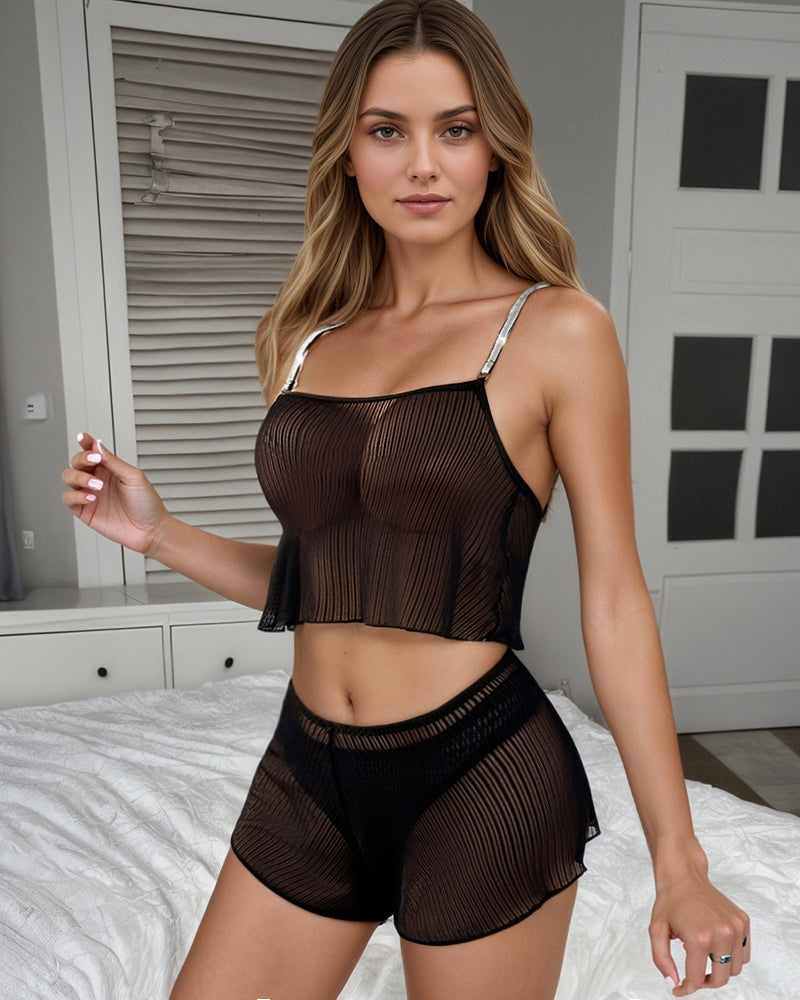
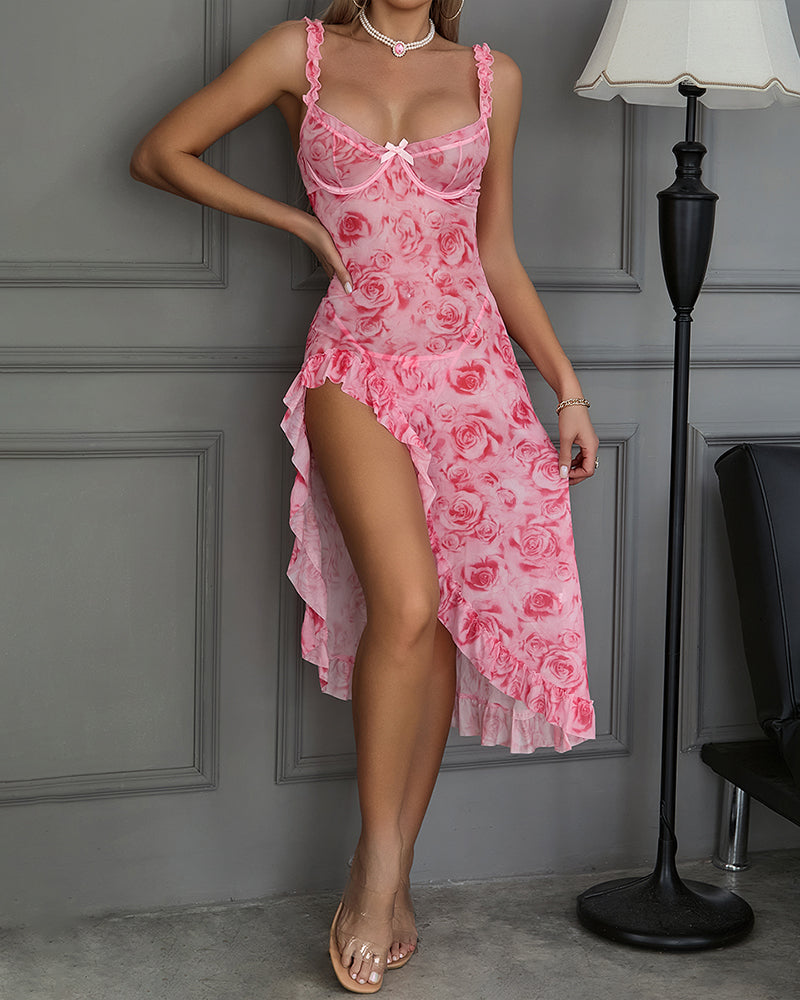
Sheer looks high-class sexy when it hints at skin and shape while you stay in control of what shows in person and in photos; it turns into overexposure the moment nipples, underwear, or the pubic area become the main focus instead of the outfit.
You slip into a sheer black slip dress, feel incredible in the mirror, then catch a glimpse by the window and realize your belly button, bra clasp, and thong label are suddenly on public display. That whiplash is common, but a few fabric and lighting checks can flip the script so sheer feels intentional instead of an "oops." Here is how to decide where your personal line is, choose fabrics that read expensive, and style and care for them so you look sensual, not see-through.
What "Sheer" Really Means (And Why It's So Tricky)
Sheer fabric is a lightweight, translucent textile woven with very fine yarns so light and air pass through, which is why you can see skin and layers underneath a piece of sheer fabric. Think chiffon, organza, tulle, voile, lace, and mesh: they all sit on a spectrum from softly misty to veil-level transparent. Fabric shops describe sheers as translucent, lightweight, and airy, used for everything from lingerie and layered gowns to veils and floaty blouses in both fashion and home decor.
Different sheer fabrics send very different messages. Chiffon, especially in evening and special-occasion pieces, tends to be very light with a flowing drape that moves with your body and feels soft against the skin, which is why polyester chiffon is marketed for delicate overlays and gowns in special-occasion chiffon. Organza, by contrast, is crisp and stiff; it holds shape and gives volume and drama instead of hugging curves, which is why it shows up in sculpted skirts and statement sleeves. Voile, often in cotton blends, feels smoother and more matte and is semi-sheer rather than ultra-transparent, making it a go-to for summer dresses and airy curtains in voile and other sheer fabrics.
For your lingerie drawer and date-night outfits, the key is understanding that sheerness comes from three levers: how fine and loose the weave is, what fiber it is made from, and whether there is any lining or second layer. A single layer of pale polyester chiffon will show a lot more skin than double-layered black mesh; a lace bodysuit can feel coy or almost naked depending on how dense the motifs are. The same amount of skin can read ethereal and expensive or like an Instagram thirst trap based on those details.
Fabric type |
Vibe on the body |
Typical use |
Overexposure risk |
Chiffon |
Soft, floaty, weightless |
Lingerie robes, overlays, gowns |
High if unlined, moderate with slips |
Organza |
Crisp, structured, holds shape |
Skirts, sleeves, dramatic gowns |
Medium, because silhouette is strong even when sheer |
Tulle/mesh |
Net-like, from soft to scratchy |
Bodysuits, panels, veils, costumes |
Very high in pale or single layers |
Voile |
Soft, semi-sheer, matte |
Summer dresses, tops, curtains |
Lower; often used when you want light but not full reveal |
Once you know what your fabric is doing, you can decide whether it serves the fantasy you want: dreamy, architectural, or straight-up daring.
Where High-Class Sexy Ends and Overexposure Begins
The Fabric: Luxurious Sheer vs "Cheap Plastic Wrap"
Fabrics that signal high-class have a certain weight, drape, and feel. Silk-based chiffons and charmeuse are known for their strength, natural sheen, and fluid drape, which is why silk is historically tied to luxury lingerie and eveningwear in guides to silk fabrics. Even when you use more affordable synthetics, well-made poly chiffon or georgette is designed to mimic that graceful movement and subtle glow in formal and special-occasion dresses in formal-fabric roundups.
A cheap-sheer look often comes from fabric that is glassy-shiny yet stiff, feels scratchy or plasticky, and collapses into creases instead of draping. If your dress crackles like gift wrap and clings in strange places, it tends to read costume rather than chic. When shopping or unpacking an online order, run the fabric lightly over your collarbone; if you feel scratchiness or heat build-up right away, or if the fabric springs away instead of skimming your shape, treat it as high risk for looking inexpensive, especially in lingerie-style cuts.
Imagine two black slip dresses: one in lightweight poly chiffon with a soft drape, the other in thin, super-shiny satin with no lining. They may show the same amount of leg, but the first will move like a whisper and blur lines; the second will telegraph every seam, underwear ridge, and bump when you sit down. Same coverage, very different impression.
Coverage, Contrast, and How Much Is "Too Much"
The real line between classy and "oh no" is not just how sheer the fabric is, but how much contrast there is between your skin, your underlayers, and the outer dress. Very sheer or light-colored fabrics can suddenly turn more transparent in bright daylight or under camera flash, which is why sewing and styling advice stresses that sheer and light-colored fabrics often need linings or slips. Formal-dress guides also note that airy fabrics like chiffon and georgette are semi-sheer by nature and usually require a lining to avoid unintended transparency in social and event photos, especially in pale colors in formal dress fabrics.
A simple rule of thumb: high-class sexy reveals outline and suggestion; overexposure reveals anatomy and text. If someone standing a few feet away can clearly make out the shape and color of your nipples, the exact cut of your labia through the fabric, or printed text on your underwear, you have crossed into full-reveal territory, whether you intended it or not. That is not wrong if you chose it on purpose, but it is a very different social message than a soft sheer that hints at curves while keeping details blurred.
Do the six-foot test at home. Put on your sheer piece with the underwear you actually plan to wear, stand about 6 ft from a mirror or friend in good light, and look fast, the way strangers will. If you can read the logo on your thong or clearly see the edge of your areola, you are in see-through territory. If you mainly see shape and shadow with a smooth color underneath, you are in "tease, not tell-all" territory.
Context: A Hotel Bar Is Not a Wedding Aisle
The same sheer dress can be perfect for a date and totally off for a daytime brunch or family event. Fabric guides for formalwear make it clear that heavy, structured, or shiny fabrics like satin, velvet, and taffeta are usually reserved for evening galas, while lighter, matte, or semi-sheer options like crepe, chiffon, and georgette are better for daytime and outdoor events in formal fabric advice. Special-occasion fabric collections group chiffon, satin, velvet, and taffeta together for prom, quinceañeras, and weddings, underscoring that these are event fabrics designed to balance drama and decorum, not just "as naked as possible" pieces, in special-occasion fabric ranges.
For a dim hotel bar or late-night date, a sheer slip over a matching thong and bra can be a gorgeous choice because ambient light softens everything and the social code is already flirty. For a friend's wedding, a similar level of sheerness can feel like crashing the dress code, especially beside older relatives and professional photos. Before you commit, ask yourself whether you would feel comfortable if someone's parent, boss, or kid saw you in that outfit from three angles in bright light. If the answer is no, dial back the transparency with a slip, bodysuit, or a less sheer fabric.
How to Style Sheer So It Feels Expensive, Not Naked
Choose Base Layers That Work With the Sheer, Not Against It
Sheer layering is where you turn nervous into powerful. Fabric guides for sheers repeatedly suggest pairing transparent layers over opaque ones, especially slips under chiffon skirts or lined bodices under tulle, to keep the romance while toning down the see-through effect in sheer product guides. Formal-dress advice backs this up, noting that chiffon and georgette look best and feel most comfortable when the designer has built in linings or underlayers in formal fabrics.
In real life, that means reaching for slips, bodysuits, and bras that either disappear or make a clear, stylish statement. For a sheer black mesh dress, a black high-waist brief and soft-cup bra give you coverage while keeping the overall read sleek and intentional. A skin-tone bodysuit under a sheer lace gown lets you show the pattern and your silhouette without worrying about anything shifting out of place when you sit down or dance. If you want the lingerie to show, commit: choose a bra and brief set that looks deliberate, in a coordinated color story, instead of random laundry-day underwear.
Color, Placement, and Your Comfort Zones
Sheer is not about fixing body parts; it is about deciding where you want the viewer's eye to land. Guides that compare chiffon, organza, and voile emphasize that some sheers are softer and more forgiving, while others are crisp and high-contrast, which lets you decide whether you want a flowing, romantic effect or sharp structure in voile, chiffon, and organza comparisons. Chiffon and similar soft sheers are also widely used for overlays and layered skirts in formal dresses precisely because they highlight movement more than any single body detail, as formalwear guides explain in chiffon and georgette overviews.
If you love your shoulders and neckline but feel shy about your midsection, go for illusion tulle or chiffon at the upper chest and sleeves and keep the bodice lined. If you feel great about your legs, a sheer skirt over high-cut briefs is an effective way to show length while keeping your butt cheeks and pubic area covered. If you want nipple coverage without adding bulk, look for lace or embroidered motifs placed over the bust, or use stick-on petals that match your skin tone under sheer cups. None of this is about shame; it is about you choosing what you gift the room with, instead of letting a thin piece of fabric decide for you.
Do the Light and Movement Check Before You Leave
Lighting and movement change sheer more than almost anything else. Fabric and sewing experts highlight how daylight, indoor lighting, and camera flash can make satin and sheers look brighter, more reflective, or more see-through than they appeared on a hanger, which is why they recommend testing fabrics in different lighting situations in special-occasion fabric tips. Formal-dress checklists also encourage trying on dresses, walking, sitting, and raising your arms to see how the fabric behaves and whether sheerness or wrinkles become more obvious in motion, as described in formal fabric checklists.
At home, recreate that. Look at your sheer outfit in three spots: by a sunny window, under your brightest bathroom light, and with a phone flash photo from about 6 ft away. Bend slightly, sit, and twist; notice if the neckline drops, a slit opens wider, or fabric stretches thinner over curves. If the outfit feels perfect only in dim, warm light, file it under date-night only instead of wearing it to a midday garden party. If it looks good through all three tests, you have found the sweet spot.

Keeping Sheer Pieces Luxe: Cleaning and Storage
Sheer pieces live on the delicate end of the fabric world. Care guides for delicate fabrics explain that materials like silk, lace, chiffon, and fine knits are easily damaged by friction, high heat, and harsh detergents, and they stress cool water, gentle handling, and air-drying to preserve shape and color in delicate fabric care. Transparent clothing made from chiffon, organza, tulle, and fine mesh is particularly prone to snags, stretching, and yellowing if washed aggressively or exposed to strong heat or sunlight, which is why best practices focus on mild detergents, mesh bags, and careful air-drying for transparent clothing.
Silk-based sheers, or high-end silk lingerie, need even more respect. Silk fibers are strong but sensitive to bleach and high heat, and silk guides recommend handwashing or gentle machine cycles in cold water with mild detergent, then air-drying away from direct sun to avoid fading and fiber damage, as set out in silk fabric care. Formalwear experts echo that many chiffon, georgette, and lace pieces are best dry cleaned or very gently cleaned and stored in breathable garment bags so they do not snag or stretch in your closet, in line with formal-dress fabric care.
You do not need a home dry-cleaning lab to keep things classy. Turn sheer items inside out, wash in cool water with a delicate-safe detergent, use a mesh bag if you must put them in a machine, and skip the dryer. To remove excess water, press them in a towel instead of wringing. Hang lighter pieces on padded hangers and fold heavier ones with tissue so straps and seams do not deform. Store them where they are not crushed between jeans and hardware-heavy jackets so they do not pick up random snags that instantly downgrade the look.
Care move |
Why it keeps sheers luxe |
What goes wrong if you skip it |
Cool wash, mild detergent |
Protects fibers and color |
Fading, rough texture, loss of drape |
No wringing, towel-press dry |
Stops stretching and seam stress |
Necklines and cups distort, fabric warps |
Air-dry away from heat and sun |
Preserves transparency and sheen |
Yellowing, shrinkage, brittle fibers |
Padded hangers and breathable bags |
Maintains shape and prevents snags |
Strap dents, pulled threads, tired look |
Quick Sheer FAQ
Is a visible bra under a sheer top always too much?
Not necessarily. A visible bra in a matching or tonal color under a sheer blouse can look intentional and sophisticated, especially in nightlife settings that already embrace dressy, semi-revealing outfits supported by chiffon and satin in special-occasion fabrics. Where it usually feels like too much is in contexts that expect more coverage, like offices, family dinners, or daytime weddings, where even formalwear guides lean toward less sheer, more matte fabrics for professionalism in formal fabric choices. If you would feel awkward taking off your blazer in front of your boss or your friend's grandmother, switch to a camisole or bodysuit under the sheer layer instead of a bra-only look.
How sheer is appropriate for a wedding guest?
Aim for romantic and polished, not headline of the group chat. Fabrics like chiffon overlays, semi-sheer sleeves, and subtle illusion necklines show up constantly in bridesmaid and guest dresses because they offer movement and a hint of skin while keeping the main areas lined, as seen in chiffon-heavy designs described in formal dress fabric overviews. Fabric and event guides also note that lining and thicker weaves provide comfort and modesty for long events in changing light in special-occasion fabric advice. A good rule: if your dress would upstage the bride in a family photo because of how much body detail is visible, scale the sheerness back with a slip or choose a design with sheer elements limited to shoulders, sleeves, or the back.
How can I tell online if a dress will be see-through?
Zoom in on the photos; if you can clearly see the outline or color of the model's underwear, bra, or belly button, assume it will be at least that sheer on you, and possibly more in real life. Fabric-focused retailers emphasize checking descriptions for words like chiffon, organza, or mesh, and looking for mentions of lining and fabric weight to assess coverage in sheer product guides. Formal-dress specialists encourage shoppers to favor listings that specify fabric types and construction over vague "poly blend," because clear fabric info helps predict drape and transparency in formal fabric shopping tips. When in doubt, budget for a slip or bodysuit and treat the dress itself as an outer layer.
Sheer pieces are not the enemy; random exposure is. When you understand your fabrics, run your light tests, and choose layers that match your comfort level, you get to decide whether your look whispers, flirts, or shouts. Wear the sheer you love, with intention, and let the outfit work for your confidence instead of against it.


 Secure Checkout


