
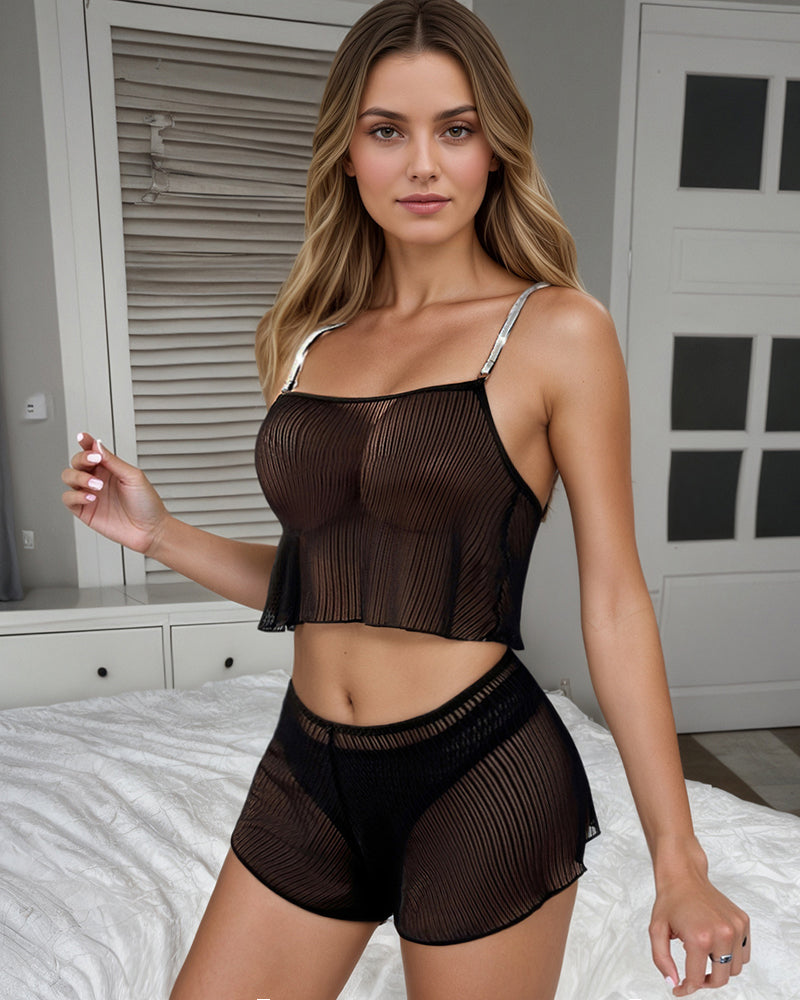
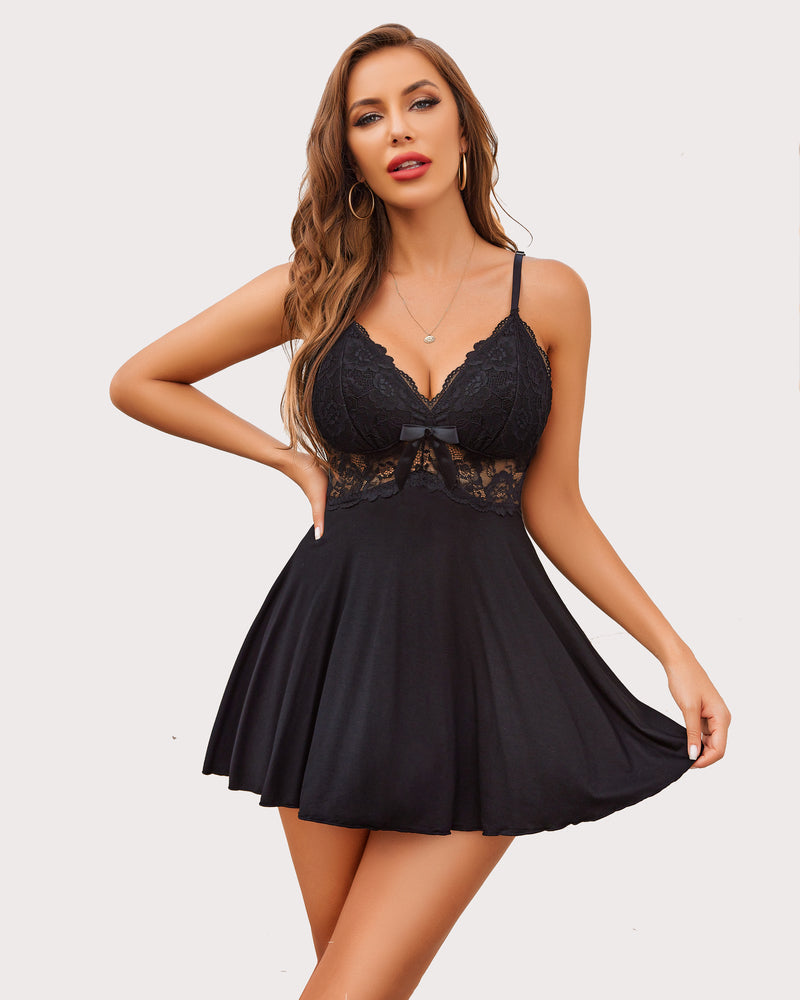
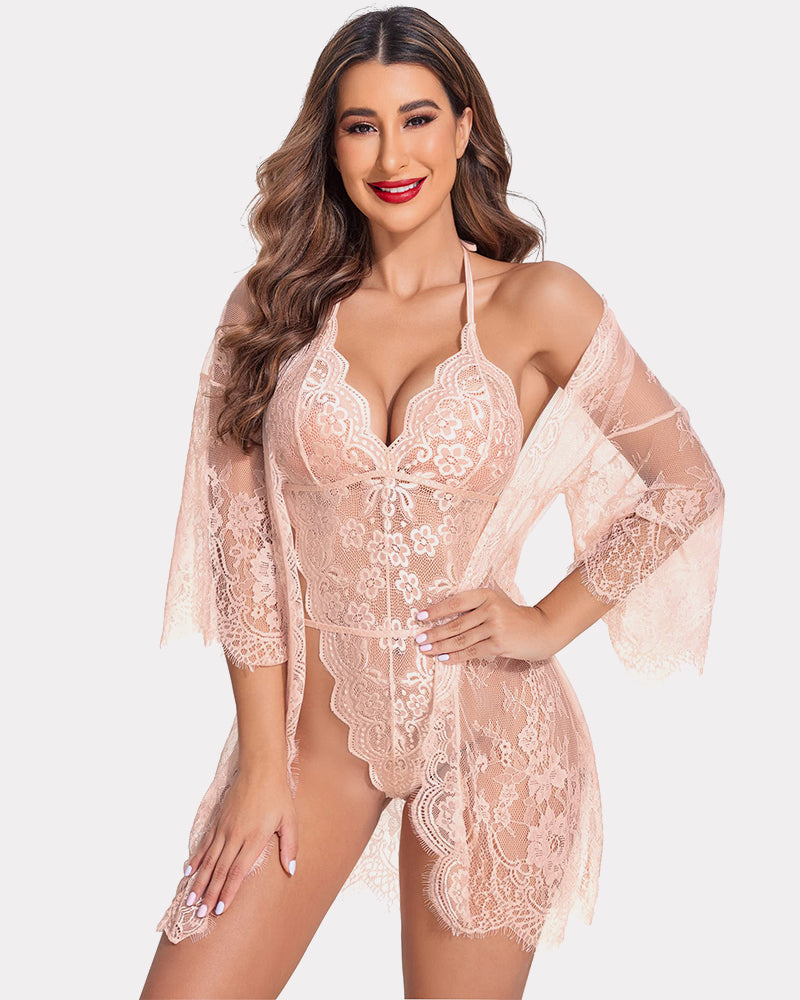



Why Hand Washing Saves Your Lingerie
You spend good money on nice lingerie because it makes you feel good and fits well. Why risk ruining that investment in a matter of months? Hand washing is the gentle alternative that actually preserves what you love about these items.
What Your Washing Machine Actually Does to Delicate Fabrics
Think about what happens inside a washing machine. It’s a violent process of hot water, spinning, tumbling, and friction. For sturdy items like jeans or towels, that’s fine. But for silk, lace, or fabrics with elastic, it’s a death sentence.
- Lace and Embellishments: They snag on zippers, buttons, or other laundry items and get stretched or ripped.
- Elastic and Spandex: The constant stretching and high heat from the machine breaks down the fibers that give your bra bands and panties their essential stretch and recovery.
- Underwires and Padding: They can bend, poke through the fabric, or get permanently misshapen, ruining the fit and support of your bra.
- Color Fading: Harsh, regular detergents and hot water can quickly dull or bleed vibrant colors.
Keep Your Favorite Pieces Looking New Longer
Hand washing cuts out all of that mechanical stress. By gently soaking and swirling the items, you remove dirt and oils without damaging the underlying structure. This means the elastic stays springy, the lace stays flat, and the fit stays true—making your favorite items comfortable and beautiful for much longer. It's truly the best way to protect the life and beauty of your favorite pieces.
How to Hand Wash Delicates the Right Way
Ready to dive in? Here is the simple process for effectively cleaning your delicates without causing any harm.
Pick the Best Soap and Water Temperature
|
What to check
|
What it means for washing
|
|
Care label
|
Start here for the recommended washing method, temperature, and drying instructions.
|
|
Fiber blends
|
Treat the garment as a whole rather than following the care needs of one fiber.
|
|
Lace, mesh, embroidery
|
These details may need gentler handling than the main fabric.
|
|
Elastic or stretch components
|
Avoid guessing how much heat they can tolerate.
|
|
Missing or unclear instructions
|
Check with the retailer or garment maker before washing.
|
Soak and Clean Without Damaging Anything
Once you have your basin ready:
1. Add Soap: Pour a capful (or just a teaspoon) of your gentle detergent into the water. Swish it around with your hand to mix it thoroughly and create a few suds.
2. Submerge the Items: Place your delicates in the water. It’s best to wash light colors and dark colors separately, just like you would with machine washing, to prevent any color bleed.
3. Soak: Let them soak for about 15 to 30 minutes. This is where the detergent does most of the work, loosening dirt and body oils without you having to scrub.
4. Gentle Cleaning: After the soak, gently agitate the items by swirling them in the water for a minute or two. For areas that might need extra attention, like the underarms of a camisole or the underwire band of a bra, gently rub the fabric against itself—do not scrub with a brush or fingernails.

How to Rinse and Dry Your Lingerie for Lasting Quality
The cleaning is only half the battle. How you rinse and dry is just as important for maintaining the shape and quality of the fabric.
Rinse Thoroughly Without Damaging Delicate Fibers
The goal is to get all the soap out without twisting or stretching the item.
1. Drain the Soapy Water: Dump out the dirty, soapy water from your basin or sink.
2. Rinse with Clean Water: Refill the basin with clean water at a temperature consistent with the garment’s care label. Swirl the items around gently. You may see some faint suds still coming off.
3. Repeat: Drain the water and repeat the process one or two more times until you no longer see any soap bubbles when you swirl the garments. The water should be completely clear.
Air-Dry the Smart Way to Keep the Perfect Shape
1. Remove Excess Water (The Safe Way): Do not wring, twist, or squeeze your delicate item. Instead, take the garment and lay it flat on a clean, absorbent towel.
2. The Towel Roll: Gently roll the towel up, like a jelly roll. As you roll, press down lightly to squeeze the water out of the garment and into the towel. The towel will soak up most of the excess moisture without stressing the fabric.
3. Lay Flat or Hang: Unroll the towel. For heavy items like padded bras or sweaters, always lay them flat on a mesh rack or a dry towel to maintain their shape. For lighter items, you can hang them from a sturdy hanger (never use thin wire hangers) or a clothesline, but avoid clipping them with clothespins on delicate spots like the lace or thin straps, as this can cause stretching or creasing.
4. The Drying Location: Dry them indoors or in a shady spot. Never dry delicates in direct sunlight, as the UV rays can cause colors to fade and the fabric to break down faster.
Common Mistakes to Avoid When Washing Delicates
Sometimes, knowing what not to do is just as important as knowing what to do. Avoiding these common errors will guarantee better results.
The Top "Don'ts": Wringing, High Heat, and Harsh Detergents
- Don't Wring or Twist: Yeah, we mentioned this already, but seriously—don't do it. Wringing will permanently stretch and break the fibers in your delicates. Just pat and roll with a towel instead.
-
Don't Ignore the Care Label: Heat can be tough on elastic and delicate finishes, so use the washing temperature and drying method listed for the garment.
- Don't Grab Your Regular Detergent: Those heavy-duty detergents have enzymes and brighteners that are way too harsh for delicate fabrics. They'll damage the dyes, wreck silk, and tear up lace. Use something gentle.
- Don't Wait Too Long Between Washes: If you let sweat and body oils sit in the fabric too long, they'll actually break down the fibers. Wash your bras every few wears, and wash other delicates after each use.
Why Your Dryer Destroys Lingerie
- Shrinking: Natural fibers like silk and cotton can shrink fast in the dryer.
- Ruined Elastic: High heat can weaken spandex and reduce its stretch and recovery.
- Pilling and Snags: Tumbling can cause pilling or snag lace and embellishments.
How to Store Your Delicates Properly
The care routine doesn't stop once the items are clean and dry. Proper storage is the final step in ensuring they last.
Prevent Misshapen Cups and Fabric Snags
It’s all about protecting the structure.
- Bras: Always store your bras so the cups retain their natural shape. Never fold one cup into the other, as this can permanently crease and misshape the padding. Stack them one behind the other in a drawer, or use a dedicated drawer divider.
- Lace and Silk: Store these away from items with zippers, hooks, or rough textures (like heavy cotton or denim) that could snag the delicate fibers. A small storage bag or drawer divider is perfect for this.
Quick Tips to Keep Everything Organized
A little organization goes a long way to making your items easy to find and keep protected.
- Drawer Dividers: These inexpensive inserts are fantastic for keeping different types of delicates—like bras, panties, and slips—separate and tidy.
- Color-Coordinate: Organizing by color or type can make it easier to see your options and grab what you need without rummaging and disturbing the stack.
Ready to Keep Your Favorites Looking New?
When you take care of your lingerie the right way, it keeps fitting perfectly and looking beautiful for years. Plus, you'll save money because you won't need to replace things nearly as often. A few minutes of hand washing? Totally worth it for pieces that always feel and look amazing.


 Secure Checkout


