
 11TH ANNIVERSARY


Loungewear is replacing your stretched-out tee pile because it turns comfort into a deliberate ritual that improves how you feel, work, love, and rest. When you treat home clothes as a choice instead of an accident, your entire day becomes more intentional.
Is your at-home uniform still that ex’s hoodie with the mystery stain and leggings that surrendered their waistband years ago? Many people live in a rotating pile of “I guess this is clean enough” clothes and wonder why they feel sloppy before they even leave the couch. Once you swap those relics for soft, well-fitting loungewear chosen on purpose, it becomes easier to relax, focus, and even enjoy a last‑minute video call. Here is how to do that while keeping things affordable and romantic-occasion ready.
What Loungewear Really Is (And Why Your Old Tee Doesn’t Count)
Modern loungewear has evolved from random “home clothes” into a dedicated category that blends relaxed cuts, soft fabrics, and enough polish to leave the house without embarrassment. In the evolution of loungewear, comfort becomes a lifestyle rather than an afterthought. That means joggers that drape instead of sagging, tops that feel like pajamas but read like a real outfit, and coordinated sets designed to work for the couch, the coffee run, and the airport.
Old clothes usually earn their spot in your drawer because they are too faded, stained, or stretched to wear outside but too sentimental to toss. They are comfortable in a “whatever, it’s fine” way, not in a “this is how I want to feel in my body” way. Loungewear, in contrast, is built from the ground up for softness, breathability, and ease of movement. It often uses cotton, modal, or bamboo blends that keep your skin happy and your temperature regulated, a benefit echoed in comfort-focused overviews of loungewear’s advantages.
Old Clothes Habit vs Loungewear Mindset
Aspect |
Old Clothes Pile |
Intentional Loungewear |
Condition |
Faded, baggy, often stained, chosen because “it’s already ruined” |
Soft, intact, chosen because it feels good and looks deliberate |
Emotional signal |
“I gave up a little” or “I’m hiding” |
“I’m off-duty, but I still care about myself” |
Fit |
Stretched, digging waistbands, random sizes |
Relaxed but supportive, designed to move with you |
Versatility |
Fine for the couch, embarrassing at the doorbell |
Works for lounging, errands, WFH, low-key dates |
Ritual potential |
Just whatever is on the chair |
Becomes a cue for rest, focus, or romance |
The real upgrade is not just fabric; it is intention. Old clothes say, “This is the best I can do right now.” Loungewear says, “I deserve to feel good, even when no one is watching.” That shift is exactly where life rituals come in.

Why Everyone Is Choosing Loungewear Over Old Clothes
Comfort-First Lives And Hybrid Schedules
Fashion has quietly rewritten the dress code so comfort is no longer a guilty pleasure but a baseline requirement. Studies of comfort-first style show that loungewear is now a daily staple for women juggling home, work, and social life. Remote and hybrid work made it feel unacceptable to suffer through stiff waistbands at the dining‑room desk when you can look put-together in soft, stretchy sets instead.
Industry data backs up what your laundry basket already knows: the global loungewear and sleepwear category has grown into a multibillion‑dollar market and is projected to keep expanding over the next decade. One forecast on sleepwear and loungewear market growth expects the category to gain roughly $36 billion in value between 2025 and 2029 as people keep investing in comfort that looks intentional, not sloppy. When an entire category grows that fast, it is not just a trend; it is a lifestyle shift.

A lot of this boom comes from “workleisure,” the hybrid of workwear and lounge that keeps you Zoom-ready up top and cozy all over by combining tailored joggers, structured knits, and soft under-layers. In other words, the world collectively agreed you can answer emails in stretchy pants and nobody dies.
Versatility That Beats The Rag Drawer
Modern loungewear is designed to move, literally, from couch to car to café without an outfit change. Matching sets, wide‑leg pants, and ribbed knits now work across errands, brunches, and low-key evenings in discussions of loungewear as everyday fashion. Instead of a paint-stained tee that looks like you lost a bet, you get a soft coordinated set that passes for “I totally meant to look this relaxed.”
For work-from-home days, luxe loungewear built from natural fibers like silk, cotton, and linen keeps you cool, polished, and comfortable enough to stay focused through long stretches of calls, as shown in styling guides to working from home in luxe loungewear. You can throw on sneakers and a trench over the same set and be brunch-ready in under a minute, which is something your saggy gym shorts could never offer.
A quick real-world example: imagine a $60 neutral lounge set you wear twice a week for two years. That is roughly 200 wears, bringing the cost down to about $0.30 per wear. Compare that to a $25 “cute but scratchy” impulse dress you force yourself into three times before giving up; that cheap dress is more expensive per wear than the “indulgent” loungewear you reach for constantly.
Self-Care, Confidence, And Enclothed Cognition
Psychologists use the term “enclothed cognition” for the way clothes affect how we feel and behave, and loungewear is a perfect everyday example of that concept. Intentionally changing into soft, well-fitting home clothes can signal your brain that it is time to unwind, a benefit also highlighted in discussions of loungewear as a cue for rest and stress relief after work. Instead of dragging your daytime stress all the way into bed, you give your nervous system a literal costume change.
Writers who track loungewear’s cultural rise note that it has blurred the old line between “private” and “public” clothes and now stands for a more flexible, self-directed way of dressing well, where comfort, versatility, and sustainability are part of real style, not shortcuts around it. When you deliberately step into an outfit that feels gentle on your body, supports your curves, and still looks like you tried, you are quietly telling yourself you are worth that effort. That message lands every single time you pull those pants on.

The Power Of Life Rituals: Turning Loungewear Into A Daily Reset
Life rituals are the small, repeated actions that tell your body and mind what comes next: brushing your teeth before bed, lighting a candle before journaling, or putting on heels before a big presentation. Loungewear fits right into this framework. When you use it as a ritual instead of a default, you build micro-moments of care into your day.
One of the strongest rituals you can create is the “end of day” change. The moment you get home, instead of doom-scrolling in your work clothes until midnight, you step into a soft, breathable set that you only wear after work. Over time, your brain learns that this outfit equals “no more proving, no more performing.” Studies on comfort dressing and self-care frame loungewear as a sanctuary wardrobe that supports a calmer, more intentional pace of living, particularly for women balancing work, home, and emotional labor in discussions of loungewear as a self-care uniform. This is not laziness; it is strategy.
For sleep, swapping old, stiff shorts for soft lounge pants or a breathable set can become part of your wind-down ritual. Comfort-focused brands note that sliding into dedicated loungewear before bed can improve relaxation and signal your body that it is time to slow down, supporting better sleep quality and overall hygiene in explorations of loungewear’s benefits. Your job is not to be glamorous; your job is to be kind to your nervous system.

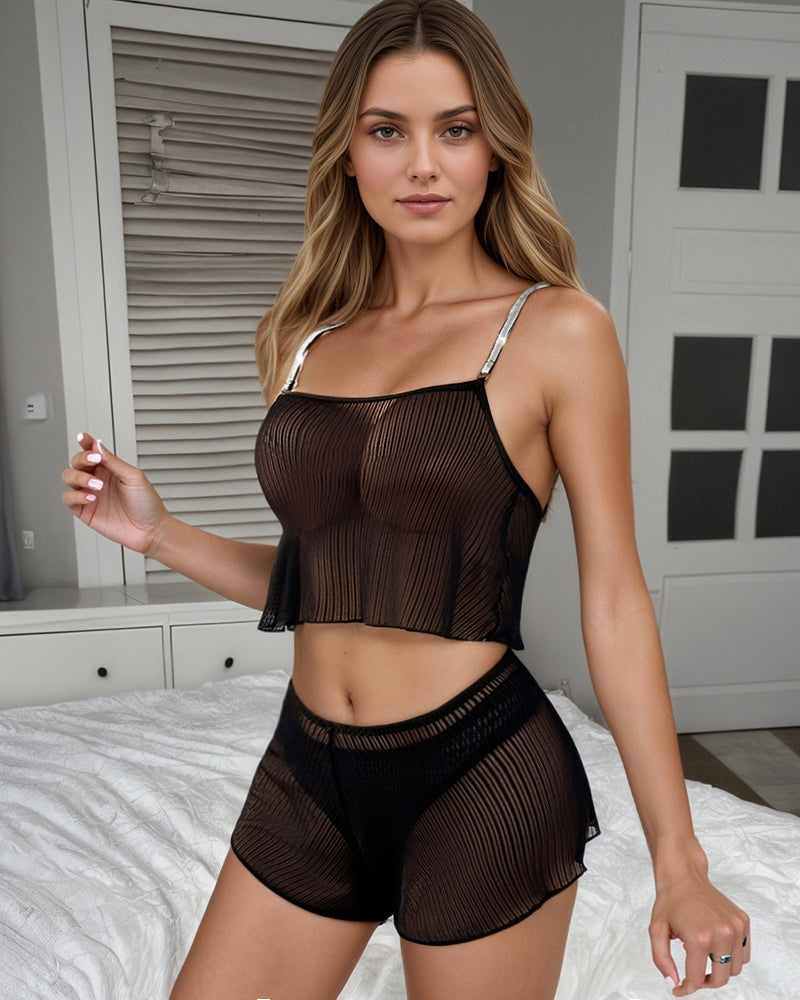
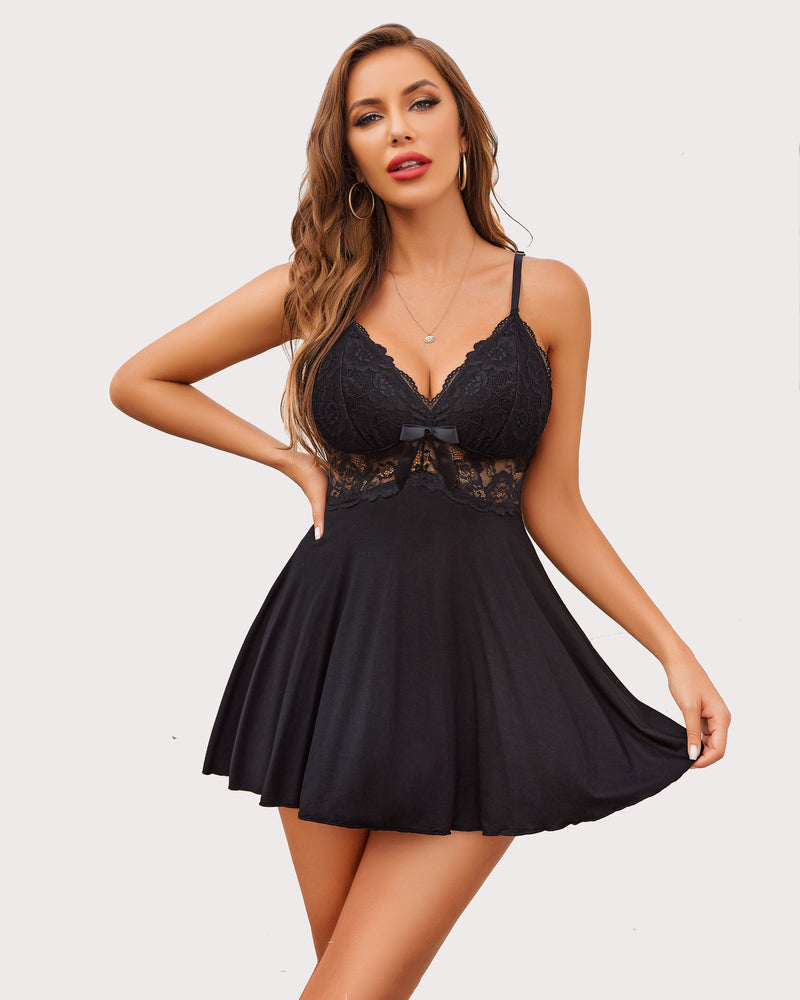
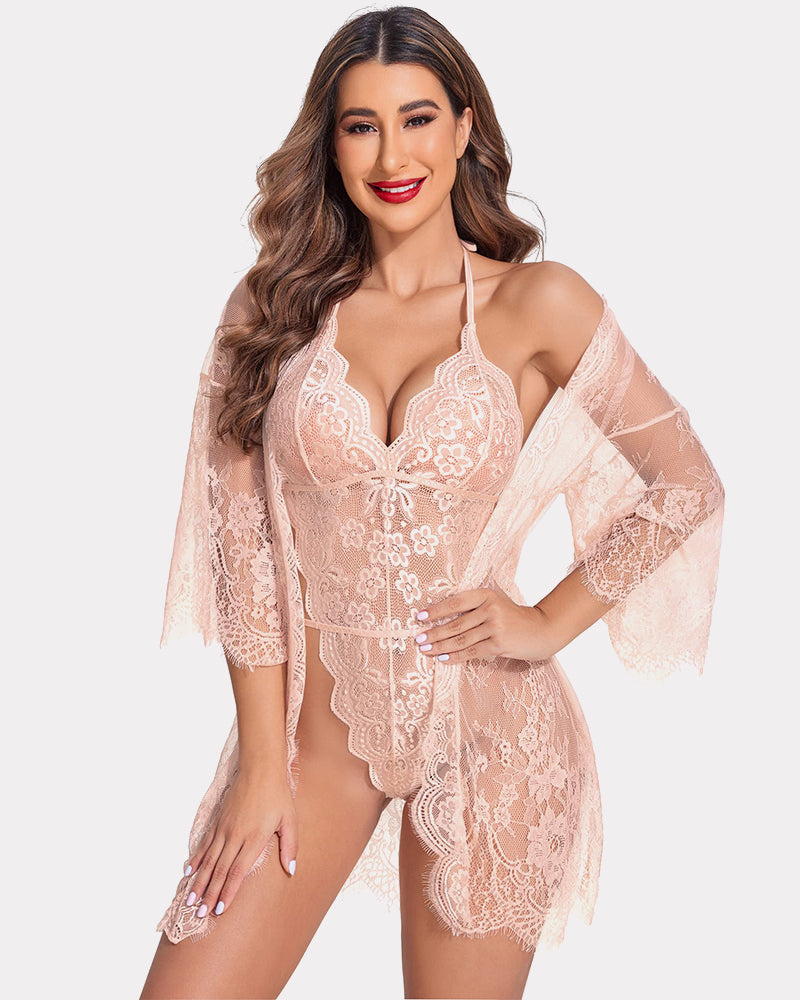
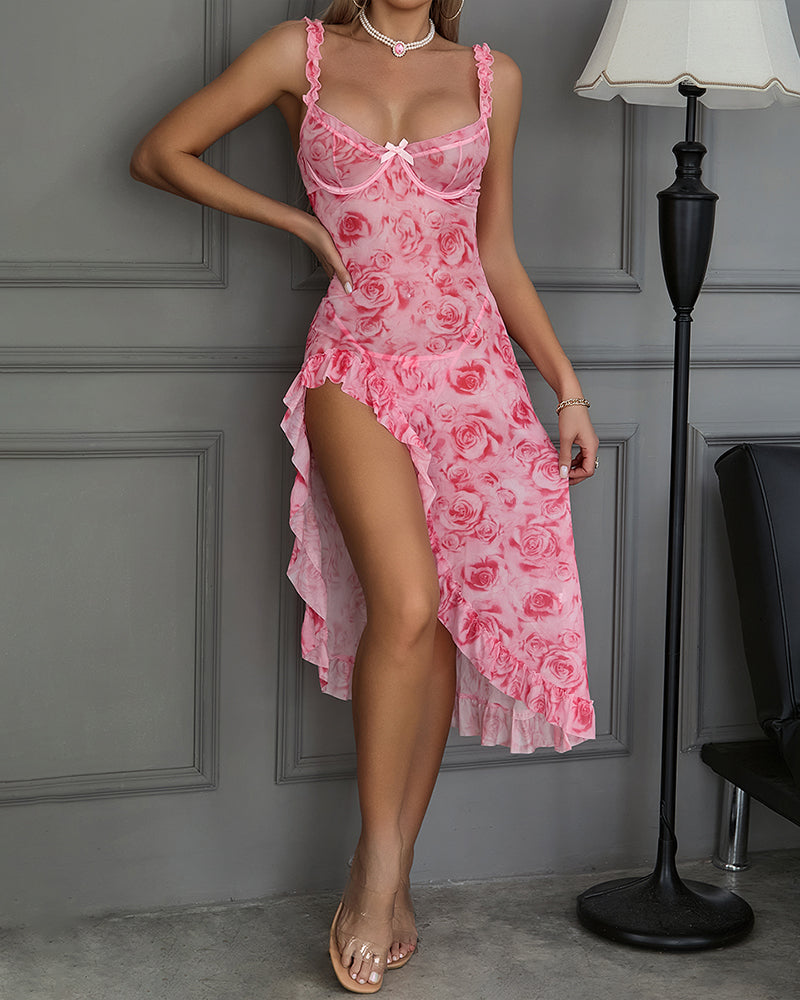
And yes, loungewear can be a romantic ritual too. A silky, drapey set or a soft knit dress paired with a cute bralette can mark the shift from “Netflix blob” to “home date night,” without forcing you into scratchy lace or rigid shapewear the second you walk in the door. When your at-home pieces already feel a little special, it takes almost no extra effort to layer in a pretty bra, a touch of fragrance, and a dimmed lamp to turn an ordinary evening into something that feels like an occasion.
Pros And Cons Of The Loungewear Takeover
Like any fashion wave, the loungewear boom comes with upsides and traps. On the plus side, you get better fabrics against your skin, more freedom of movement, and outfits that can follow you from the sofa to school pickup without the “I hope nobody sees me” panic. Comfort-first dressing is linked with better mood and productivity, especially for remote workers who need clothes that do not distract or pinch while they focus, a point repeated in guides to loungewear for working from home.
There is also a strong sustainability upside when you choose well-made, mix‑and‑match sets in organic cotton or bamboo instead of stockpiling cheap tees you rarely wear, a direction supported by analyses that highlight eco-conscious fabrics and longer-lasting wardrobe capsules in loungewear trend reports. A small rotation of pieces you love and repeat is far kinder to your wallet and the planet than constantly replacing sad leggings.
The downside is that “cozy culture” is now a full-blown marketing machine. It is easy to fall into buying endless beige sets because Instagram told you to, which just turns your closet into a more expensive version of the old-clothes pile. There is also pressure, especially on women, to look perfectly curated even at home, which can feel like a new way to police bodies and budgets. Loungewear should make your life softer, not add a new standard to fail.
How To Build An Affordable, Body-Positive Loungewear Rotation
Start by choosing the ritual, not the trend. Decide what moments you want loungewear to serve: maybe a weeknight “off-duty” uniform, a Saturday slow-morning outfit, and one look for at-home dates. When you know the feeling you are dressing for, you can ignore most of the noise and shop only for pieces that support those specific moods.
Next, pick fabrics that love your skin and your climate. Guides to modern loungewear emphasize cotton as a breathable, easy-care staple and highlight modal and bamboo as ultra-soft, moisture-managing options that work for all-day wear in discussions of loungewear fabrics and comfort. If you tend to run hot, look for lightweight cotton jersey or bamboo blends; if you are always cold, consider fleece-backed knits or heavier jerseys for winter, then switch to lighter sets in warmer months. For romantic nights, a washable satin or silk-touch knit pant-and-cami combo can feel luxurious without the dry-clean-only bill.
Fit is non-negotiable, and this is where the body-positive part matters. Buy for the body you have today, not the fantasy size you hope to return to by summer. Many women-focused loungewear brands design with inclusive sizing and drapey cuts that skim instead of squeeze, aiming to flatter different shapes and ages in their ageless, luxury loungewear collections. Look for high-rise waistbands that sit comfortably over your lower belly, wide-leg or tapered joggers that do not cling at the thighs, and tops that hit at your most confident point, whether that is cropped at the waist or grazing the hip.
To keep things affordable, think in mini-capsules instead of one-off pieces. A neutral lounge pant you genuinely love can anchor several tops: a slouchy tee for cleaning days, a fitted knit for WFH, and a soft cami for date night. Matching sets are your cheat code; writers who focus on elevating loungewear point out that coordinated or monochrome looks make even very relaxed pieces appear intentional, especially in creamy, gray, or navy tones, as shown in styling guides on elevating loungewear. If your budget allows, invest in one higher-quality set you will reach for constantly instead of three “meh” ones that never quite feel right.
Finally, do tiny styling upgrades that cost nothing. Tuck or half‑tuck a top to show your waist. Swap an old hoodie for a zip sweater or cardigan that frames your shape better. Throw on simple earrings or a soft robe over your lounge set for an instant “I planned this” vibe. The goal is not perfection; it is to feel like your at-home self is just as deserving of care as your going‑out self.
FAQ
Q: Do I have to throw away all my old comfy clothes?
A: No. Keep the pieces that still fit, feel good, and make you smile, and consciously retire the ones that scratch, dig, or make you cringe in the mirror. The point is to upgrade your default, not erase your history. You can even pair a favorite vintage tee with new lounge pants so it joins your ritual instead of living in the “guilty comfort” category.
Q: Is loungewear just fancy pajamas?
A: Pajamas are designed mainly for sleep, while loungewear is meant to live a full day: moving from work to errands to bed without looking like you rolled straight out of a nap. Many experts describe loungewear as a hybrid between sleepwear and casual wear, polished enough for public with the softness of pajamas in discussions of loungewear as an everyday staple. You can absolutely sleep in loungewear, but the real magic is how it supports every part of your day, including romance.
When you stop treating home time as the place where style goes to die and start using loungewear as a soft, body-honoring ritual, you give yourself a daily reminder that you are allowed to feel good for no special reason at all. Your old clothes got you this far; now let your loungewear carry you into the version of your life that feels as comfortable as it looks.


 Secure Checkout


