
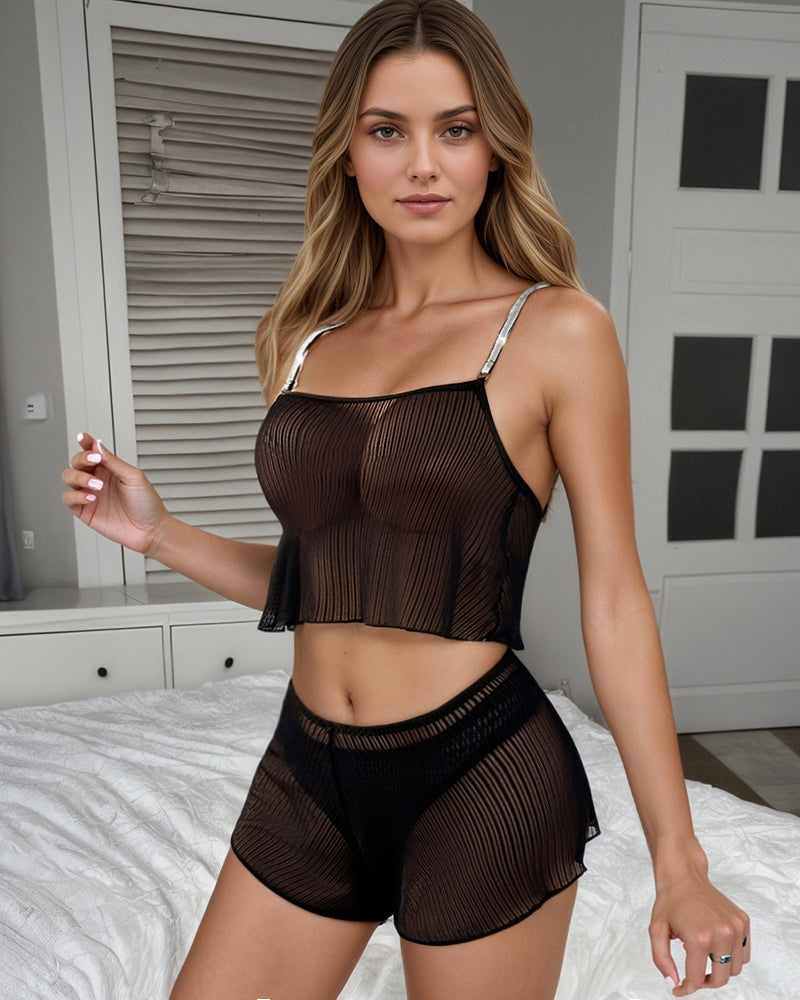
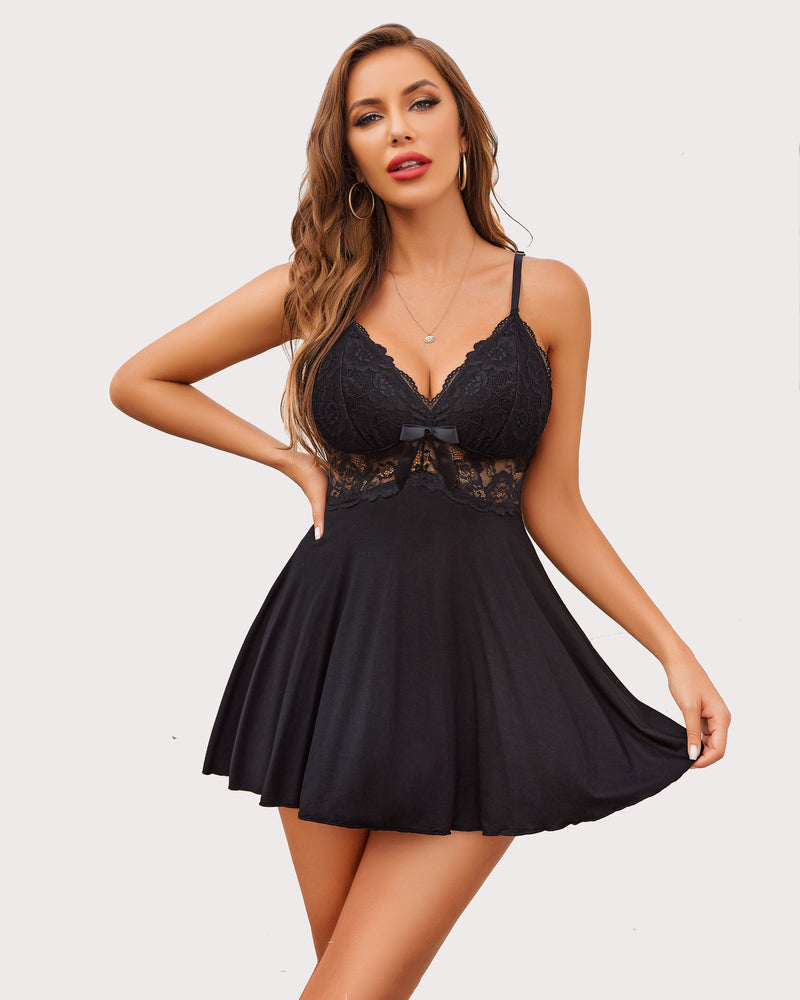
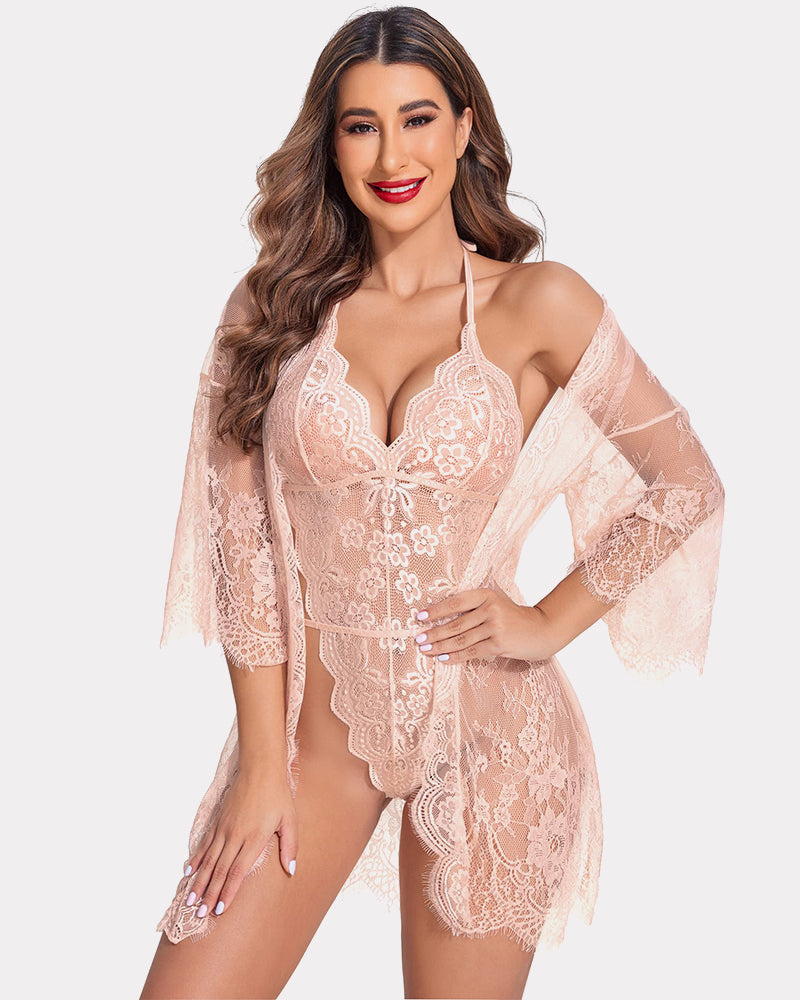
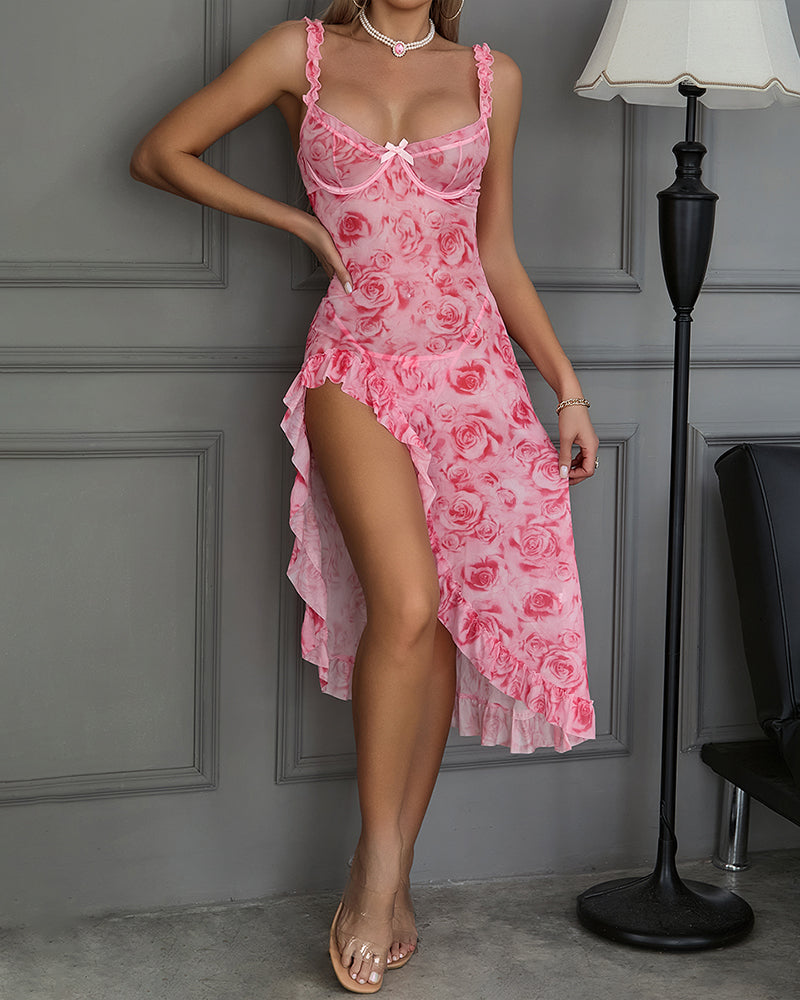
 11TH ANNIVERSARY


When you stop treating lingerie as a costume for others, you open the door to comfort, autonomy, and more authentic intimacy—without giving up support, style, or romance.
Ever stood in front of the mirror in a lacy set that photographs beautifully but leaves red marks and a pounding headache before dessert even arrives? Again and again, when people swap showpiece bras and scratchy sets for what actually feels good on their bodies, breast pain eases, posture relaxes, and their confidence feels less fragile. This guide walks you through what really happens when you stop wearing lingerie to please others, what your body and mind can expect, and how to make the change without sacrificing support, style, or romance.
From Performance Piece to Personal Choice
“People‑pleasing lingerie” is the drawer full of pieces you bought to be “hot enough,” “small enough,” or “perky enough” for someone else’s gaze, even though your ribs, shoulders, and bank account hate them. Surveys of U.S. women show that most wear bras most days, yet more than half describe them as uncomfortable, while many find going braless more comfortable, which reveals how strong the social pressure still is. That pressure comes from years of messaging that a “respectable” woman keeps her nipples hidden, her straps invisible, and her breasts shaped like molded foam, not like a real body.
When you decide that your comfort counts as much as anyone’s fantasy, the first change is psychological. Writers and clinicians who cover going braless describe it less as a fashion tweak and more as a lifestyle choice rooted in self‑love and autonomy, where you honor your natural breast shape instead of squeezing it into narrow beauty standards. Sources focused on the braless movement note that accepting your own shape tends to raise self‑esteem because you stop treating your chest as a problem to fix and start treating it as just one part of you.
You do not have to burn your bras, your babydolls, or your matching sets. The shift is that you stop asking, “Will they think this is sexy enough?” and start asking, “Can I breathe, move, and feel like myself in this?” Once that question leads your shopping and your getting‑ready routine, the entire tone of your lingerie drawer changes.

What Really Happens to Your Body When You Ditch Obligation Bras
The big fear is usually, “If I stop wearing ‘proper’ lingerie, will my breasts fall, hurt, or secretly sabotage my health?” Major medical centers are remarkably consistent on one point: for everyday life, choosing to go braless or to wear softer bras is mostly about comfort, not about saving or ruining your breasts. Reputable reviews of bras and breast health report no direct health risks from going braless and emphasize that sagging over time (breast ptosis) is driven mainly by age, genetics, pregnancy, weight changes, and gravity rather than bra habits alone, as long as you are not in serious pain or skipping support during high‑impact exercise. Cleveland Clinic and Medical News Today both highlight this comfort‑first framing.
Some lingerie companies argue that skipping bras will stretch breast‑supporting ligaments and lead to droopier breasts, and they are not entirely pulling this out of thin air. Plastic surgeons who specialize in breasts agree that Cooper’s ligaments—the internal “mesh” that helps hold breast tissue in place—do stretch under gravity and movement over decades, and that good external support can reduce mechanical strain, especially for heavier breasts. At the same time, evidence that everyday bralessness by itself dramatically speeds up sagging is weak and conflicting; long‑term studies are small, often not peer reviewed, and rarely control for pregnancy, weight change, or age, so most experts refuse to base rigid rules on them.
Here is the honest middle ground. If your breasts are on the smaller to moderate side and your daily life is mostly low impact, going braless or switching to wire‑free, lightly structured pieces is unlikely to wreck your shape or your health. If your breasts are larger or denser, especially if you already notice neck, shoulder, or back pain, a well‑fitted bra or structured alternative can genuinely help by taking weight off your spine and reducing bounce, which aligns with findings that larger cup sizes correlate with higher odds of back pain and that supportive bras can ease that discomfort. This is where “supporting yourself” stops being a metaphor and becomes literal.
High‑movement situations are a different story. When you run, jump, or dance hard, breast tissue can move several inches in multiple directions, and studies show that high‑support sports bras reduce that motion and the associated pain, particularly for larger chests. That does not mean you must wear industrial armor to yoga, but it does mean that completely abandoning support for long runs or high‑impact workouts is more likely to leave you sore or chafed than empowered.

Interestingly, detailed 3D scanning research comparing braless breasts with different bra cup thicknesses shows something your mirror already suspects: bras reshape the breast for the time you wear them, lifting and gathering tissue upward and inward, but they do not permanently change anatomy once you take them off. Thinner cups in that research produced stronger vertical lift, while thicker cups were better at pulling tissue toward the center for cleavage, which is helpful when you want a particular silhouette but irrelevant when you are lounging at home.
The Psychological Plot Twist: Confidence Without the Costume
Physically, the changes from ditching people‑pleasing lingerie are gradual and subtle. Mentally, they can be loud. People who move away from tight underwire and hyper‑structured bras often describe it as an emotional unhooking as much as a physical one, reporting higher daily comfort and less background anxiety once they are no longer bracing for digging wires and strap marks. Articles on the psychological effects of ditching wired bras frame this as a mind–body connection: when your base layers stop hurting, your nervous system can finally stand down, which makes everything from focus to mood feel lighter. AndCircus highlights survey findings that women who prioritize comfort over rigid beauty norms report noticeable jumps in day‑to‑day happiness.
Confidence‑wise, walking into public braless or in softer, less “engineered” lingerie can feel like stepping on stage at first. Social norms and the “nipple police” are real; younger women, in particular, report strong pressure to wear bras in public, and visible nipples or natural breast movement can attract both curiosity and unwanted attention. At the same time, personal accounts from fashion editors and braless advocates describe a pattern: the more days they spend in bodies that move and jiggle a bit, the less they obsess over looking perfectly smooth and the more neutral their feelings about their breasts become.
There is also a flip side. If your sense of safety is shaky, or you move through environments where dress codes are conservative and harassment is common, going suddenly and visibly braless may make you feel more exposed or anxious, not less. In that context, choosing coverage, padding, or structure is not “selling out”; it is self‑protection, and your comfort still comes first. Confidence is not about which lingerie you choose; it is about who gets to choose it.

Lingerie, Romance, and Real Intimacy
When you stop buying lingerie purely to look like someone else’s fantasy, your romantic life can shift in surprisingly tender ways. Instead of enduring a scratchy push‑up for hours so a partner can have a thirty‑second reveal, you might choose a soft mesh bralette, a cotton slip, or even no bra with a favorite T‑shirt, and show up to the same date night able to breathe deeply, eat comfortably, and stay in your body.
Partners who genuinely care about you are usually more turned on by your presence and confidence than by whether your bra has molded cups or lace trim. Once you stop silently suffering in “sexy” pieces that hurt, you have space for conversations like, “I love how I feel in this softer set; it still looks gorgeous, and I can actually stay in it all night.” That kind of honesty can deepen trust far more than any matching thong ever will.
If you enjoy the drama of special‑occasion lingerie, you do not have to give it up. You simply move the goalposts from “Will they think this is hot?” to “Do I like how this feels when I sit, laugh, and bend over?” A sheer robe over nothing, a stretch lace bralette, or a wireless bodysuit that hugs without compressing can be just as romantic as rigid corsetry, especially when you are relaxed instead of counting the minutes until you can unhook everything.
How to Step Back From People‑Pleasing Lingerie in Real Life
Going from “padded and wired 24/7” to “braless in a clingy top at a family wedding” is a big leap. Your body and your brain usually do better with a gradual, strategic shift. Practical guides suggest starting in low‑stakes situations like at home, quick errands, or layered outfits, then working outward as your comfort grows, a strategy echoed by medical and styling resources on going braless.
A gentle first step is to swap harsh pieces for softer, affordable ones. Wire‑free bras, cotton or modal bralettes, and lightly lined sports bras can give enough shape for daily life without the rib cage stabbing and strap grooves that send so many people sprinting to the bathroom to unhook their bra. One author with chronic breast pain found that wired bras were a major trigger for mastalgia; replacing them with wire‑free options and going without whenever possible almost eliminated her pain, apart from hormonally sensitive days, which she described as life‑changing in both comfort and mood. Anything Goes Lifestyle uses that story to illustrate how much a simple construction change can matter.
Once you are comfortable in softer pieces, you can experiment with true braless days. Clothing choices make a huge difference here. Thicker fabrics, textured knits, and busy prints skim over your chest and visually “camouflage” nipple outlines so you are not constantly wondering who is staring. Dark colors and T‑shirts with graphics draw the eye to the design instead of your anatomy, while very clingy or shiny fabrics like satin and some polyesters tend to highlight every contour, which can feel vulnerable before your confidence catches up. Guides on dressing with no bra and braless styling echo these fabric strategies.
Coverage tools are the unsung heroes of this transition and can be both effective and budget‑friendly. Silicone nipple covers, especially medical‑grade ones, lie flat under thin fabrics, are reusable for months or years with gentle care, and work in everything from silk blouses to swimwear. Adhesive or non‑adhesive fabric petals, thin camisoles, and slips all create a smooth surface over your chest if you want modesty without full bra structure. For special outfits—backless dresses, deep V necklines, or cutouts—breast tape, sticky cups, or fashion tape can provide lift and security without a traditional band and straps, as long as you patch‑test for sensitive skin and remove them carefully.
While you are changing your wardrobe, change your posture and habits too. When you are used to being cinched up by structured bras, your back and shoulder muscles sometimes decondition and your default stance collapses forward. Gentle strengthening and stretching for your upper back, shoulders, and core, plus simply reminding yourself to stack ears over shoulders instead of craning forward at a screen, can make braless or softer‑bra days feel physically better and reduce any sense that your chest is “too heavy” to carry.
When You Still Deserve Support
Stopping the performance does not mean swearing off support forever. If you have a fuller bust, chronic back or neck pain, or an active job that involves a lot of walking or lifting, a well‑fitted bra can be a genuine gift to yourself rather than a concession to anyone else. Medical sources consistently recommend supportive everyday bras and high‑support sports bras for larger breasts to reduce discomfort and breast motion, which helps many people exercise more confidently and with less pain. Cleveland Clinic and Medical News Today both highlight that supportive bras can ease musculoskeletal strain even though they cannot stop natural aging.
Brands that focus on large‑busted wearers warn that going completely without support for years can aggravate sagging and pain, particularly when weight, pregnancy, or high‑impact activity are in the picture. That perspective is more cautious than the medical “no strong evidence either way” stance, but the practical takeaway is compatible: listen to your body, not to ideology. If your shoulders burn halfway through your shift when you skip a bra, that is your data. You can still choose soft, wide straps, breathable fabrics, and designs that feel like lounge bras instead of armor, and reserve rigid, sculpting pieces for the rare times you truly want that sculpted silhouette.

Importantly, you do not have to be consistent to be legitimate. Alternating between days in a bra, days in a bralette, and days completely braless does not confuse your breast tissue or cancel out the benefits of any particular choice. Health‑focused sources emphasize that mixing it up based on what you are doing and how you feel is perfectly reasonable, and that breast health is not an all‑or‑nothing test of loyalty to bras or to bralessness.
FAQ: Will My Breasts Sag If I Stop Wearing “Sexy” Bras?
The most honest answer is that your breasts will change over time no matter what you do. Genetics, age, gravity, pregnancy, breastfeeding, and weight shifts all alter breast tissue, and current research does not show that wearing a bra or skipping one is the magic switch that prevents sagging. Some small, controversial studies suggest that going braless might even encourage better natural lift in certain young women, while other experts and brands argue that support reduces ligament strain, particularly in heavier breasts. Because the data are messy and limited, most medical reviews advise making bra decisions based on pain and comfort rather than on fear of sagging alone.
FAQ: What If My Partner Loves Lacy, Structured Lingerie?
You are allowed to be into different things. The key is whose comfort gets sacrificed. You can tell a partner, “I like how that looks too, but I do not want to spend the whole night in something that hurts. Let’s pick pieces that feel good on me as well as look good to you.” That might mean reserving more structured lingerie for shorter moments, choosing soft sets that still feel special, or wearing your favorite comfortable pieces and inviting them to enjoy how much more relaxed and present you are. True intimacy comes from consent and comfort, not from holding your breath in boning and elastic.
Closing
Your lingerie drawer should feel like a love letter to your own body, not a comment section you are constantly trying to appease. If ditching people‑pleasing pieces leads you to softer fabrics, smarter support, and more honest confidence, that is a gift you give yourself every single day—no special occasion required.


 Secure Checkout


