

 11TH ANNIVERSARY


Raising your arms in the fitting room is a quick movement test that shows whether a bra will stay in place, support you comfortably, and work with your clothes all day.
You slip into a cute bra, smooth the straps, think "okay, not bad," then reach up to grab something and suddenly the band creeps up, the cups gape, and you are yanking everything back into place. Fitters who insist on that little arm raise with every try-on keep finding the same thing: the "usual size" is often nowhere near the best size, and small tweaks can change how your body feels in your clothes. This is your guide to using that one simple move to call out bad fits, choose bras that stay put, and feel supported instead of strangled.
The Real Job of Your Bra
A bra's real job is to anchor to your rib cage, hold breast tissue comfortably close to your body, and shape it in a way that works with your clothes and your life, not against them. Experienced fitters consistently find that most of the lifting and supporting comes from the band hugging your rib cage, not the shoulder straps, which is why a firm band is treated almost like the foundation of a house in guides from professional fitters at Bra Fittings by Court. When that foundation is flimsy, everything on top starts sliding and collapsing the second you move.
On top of that, a huge share of people are in the wrong size to begin with. One independent lingerie brand's fit guide estimates that roughly four out of five women are in the wrong size, and notes how much this affects comfort, posture, and how clothes hang on the body, especially over time as bodies change with weight, hormones, and age in its bra fit guide. If you have ever felt like every bra hurts or nothing looks right, it is very likely a size and fit issue, not a you issue.
Mis-sizing often follows a predictable pattern. Fitters routinely see people wearing bands that are multiple sizes too big just to get more room in the cups, or squeezing into cups that are far too small because the letter sounds "reasonable." A bra educator who worked in a specialty shop described clients going from a 32B into a 28D, or from a 38E to a 34FF, once their rib cage and full bust were actually measured and the fit was checked under movement in her technical breakdown of band and cup sizing. That is the kind of shift you almost never discover if you only stand still, arms pinned to your sides.

What Raising Your Arms Actually Tests
Raising your arms is the fastest way to check whether the bra can stay anchored when your body is doing normal life things like reaching, dressing, and hugging. Luxury and department-store fit experts recommend a full movement test that specifically includes lifting your arms; the band should stay level and not ride up, the cups should not suddenly gape or spill, and the center bridge should stay close to your chest as explained in a widely used five-point fit check.
The first thing this move exposes is band size. Picture someone whose rib cage measures 36 inches and whose full bust measures 47 inches. A proper size based on those numbers would be around a 36H in many systems, but plenty of people end up in something like a 40D because that is what stores stock or what they have always worn. Fitters using detailed calculators show that when those clients try the 36H and raise their arms, the snugger band stays low and level, while the looser 40D shoots up their back like it is trying to escape in their calculator examples of 36- and 47-inch measurements. The arm raise makes the size difference visible in seconds.
Next, the movement test reveals what the cups are actually doing. A well-fitting cup should hold your tissue in place without creating a double ridge at the neckline or folding in on itself. When you raise your arms, cups that were borderline small suddenly show their true colors: breast tissue creeps over the top or pushes out toward your armpits. Fit guides describe this kind of spillage, along with cup wrinkling or gaping, as classic signs that the cup size and shape are wrong, and that the bra will be uncomfortable in real life even if it looked fine at first glance, as outlined in Bon & Berg's fit checkpoints.
That small lift of the arms also tests the center bridge (the piece between the cups) and any underwire. When the band is supportive and the cups are the right size, raising your arms should not make that bridge pop away from your sternum or cause the wire to jab into your ribs. If it does, fit experts recommend adjusting either the band, the cup, or the bra style, especially with plunge or balconette cuts that sit differently on the chest wall in the same movement-based fit advice. The arm raise is like a tiny stress test for all those components at once.

Quick Cheat Sheet: Arm-Raise Clues
What you see when you raise your arms |
What it likely means |
What to try next |
Band climbs up your back and straps dig while your breasts drop lower in front |
Band is too loose and straps are doing the heavy lifting |
Try a smaller band size, often with a larger cup letter to keep volume similar |
Breast tissue spills over the top or out the sides of the cups |
Cup is too small or the style does not match your shape |
Try one or two cup sizes up, or a fuller-coverage style |
Cups suddenly gape at the top and straps slip, especially on one side |
Cup is too big or the shape is wrong for your breast fullness |
Try a smaller cup or a style with a less open neckline |
Band stays level, bridge rests on your chest, cups stay smooth, and nothing needs readjusting |
You have a solid fit for everyday movement |
Test sitting, bending, and a few steps to confirm comfort over time |
Why This One Move Matters for Comfort, Health, and Confidence
The arm raise looks simple, but it is a tiny preview of how the bra will behave during a whole day of reaching for shelves, putting on jackets, carrying groceries, and taking that top off later. Health professionals who work with posture and breast support highlight that a snug, well-fitted band helps distribute weight more evenly, which can ease neck and shoulder tension and support a more relaxed upright posture over time, as summarized in a bra health overview. If your bra fails the arm-raise test in the fitting room, it is almost guaranteed to demand constant tugging and adjusting once you are actually living in it.
Researchers studying breast motion during exercise take this even further. Biomechanics work in Pilates and running shows that when breasts are not well supported, they move more in every direction, which can change posture, make women clamp their arms to their sides, and increase discomfort in the trunk and lower body as described in a review of sports bras and biomechanics. A systematic review of breasts, bras, and physical activity found that larger-breasted women report more exercise-related breast pain and that sports bras are strongly associated with less pain compared with everyday bras, reinforcing that movement plus support is the real test, not just standing still under good lighting in a meta-analysis on breasts and activity.
More advanced modeling goes inside the breast tissue itself. Finite element simulations of breast behavior during running, rope skipping, and high-knee drills have shown that internal stress on structures like Cooper's ligaments climbs with more intense movement, especially when breasts are allowed to bounce and stretch freely in a 2024 dynamic simulation of breast behavior. That kind of data is a scientific way of confirming what your body already tells you: a bra that keeps everything close and controlled when you move feels better not just on your skin, but in your tissues.
There is also the emotional side. When one bra educator finally got a proper fitting in her twenties after years of squeezing into the wrong size, she described it as transformational; working in a specialty store, she saw the same reaction over and over as women felt their shoulders drop, their breathing ease, and their clothes suddenly hang better once the bra actually fit in her story about learning to measure and fit bras. The arm raise is one of the simplest tools in that transformation, because it quickly separates "looks okay if I stand perfectly still" from "I can forget I am wearing this and just live my life."
How to Do the Raise-Your-Arms Test Like a Pro
Once you have a bra on in the fitting room, start by making sure you have set it up fairly. Fasten the band on the loosest hook, settle it low and level around your rib cage, and adjust the straps so they sit on your shoulders without digging or falling off. Take a moment to pull breast tissue fully into the cups, especially from the sides; this gives the bra a fair shot at doing its job instead of fighting half-in, half-out fabric.
Now face the mirror and watch the bra, not your insecurities. Lift both arms slowly over your head as if you are reaching for the top shelf of your kitchen. Hold them there for a couple of breaths, then gently sway side to side or pretend you are pulling a sweatshirt on and off. Fit experts who rely on movement tests recommend this kind of simple 360-degree motion because it mimics how bras behave in real life while still being dressing-room friendly as part of their movement-based band checks.
As you move, pay attention to what you feel like doing with your hands. If you immediately want to yank the band down at the back, scoop breast tissue back into the cups, or tighten straps to compensate, the bra has failed the test. A good everyday fit means the band stays roughly where you put it, the cups stay filled but not overflowing, straps stay in place, and the center bridge does not suddenly float away from your chest. You might make one tiny adjustment; you should not feel like you are reassembling yourself after ten seconds of normal movement.
Repeat the process in your neighboring sizes, not just the one you walked in wearing. That means trying smaller bands with larger cups or vice versa, sometimes called sister sizes, so you can feel the difference between a truly supportive band and one that only pretends to fit. Fitters who use detailed measurement systems and calculators often see their clients land in sizes they never expected, but when the band passes the arm-raise test and the cups stay put, the comfort and silhouette in clothes usually sell them on the spot, as their case studies of refits show.
If you have limited shoulder mobility or are using one hand, the spirit of the test still matters: give the bra some movement and watch how it behaves. Accessible dressing guides describe methods for putting on and adjusting bras with one hand by fastening them first, then pulling them over the head, and carefully positioning straps and cups in instructions for one-handed bra dressing. Once you are secure, you can still lean, twist gently, or lift the arm you can move to see whether the band and cups stay supportive.
Special Situations: Sports Bras, Strapless Styles, and Date-Night Lingerie
Sports bras deserve an especially ruthless arm-raise test, because they are going to see the most movement and the highest stakes. Research on sports bras and movement shows that better breast support improves trunk stability and lowers the risk of compensating with awkward posture during exercise, which can affect everything from lower-back comfort to knee loading in analyses of sports bras and biomechanics. When you raise your arms in a sports bra, the band should feel almost glued to your rib cage without cutting off your breath, and the cups should not let your breasts bounce out the sides or top. After the arm raise, a light jog in place gives you an honest preview of whether this bra will keep up with your workout.
Strapless and multiway bras are where the arm raise becomes the difference between sultry and suffering. For a strapless style, your arms going up will pull on your torso and try to drag the bra down; if the band slides south the moment you reach up, it is too loose or cut too shallow for your shape. A snugger band or a style with more side coverage will usually perform better. You want to be able to dance, toast, and hail a cab without stopping to shimmy the bra back into position every few minutes.
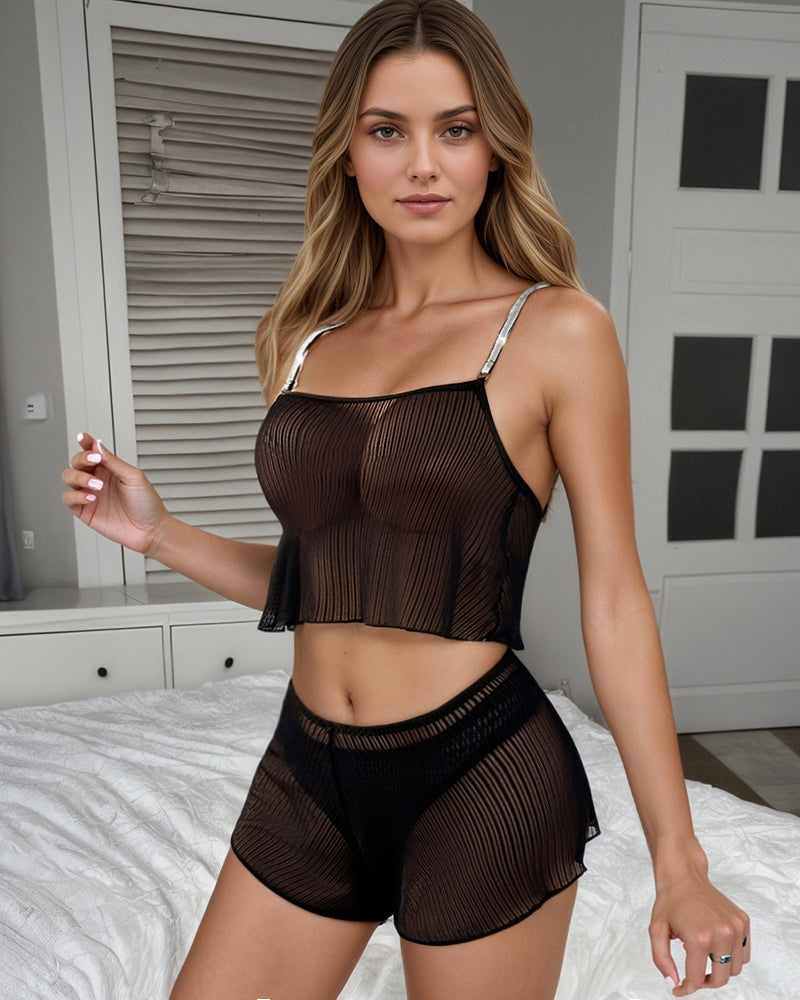
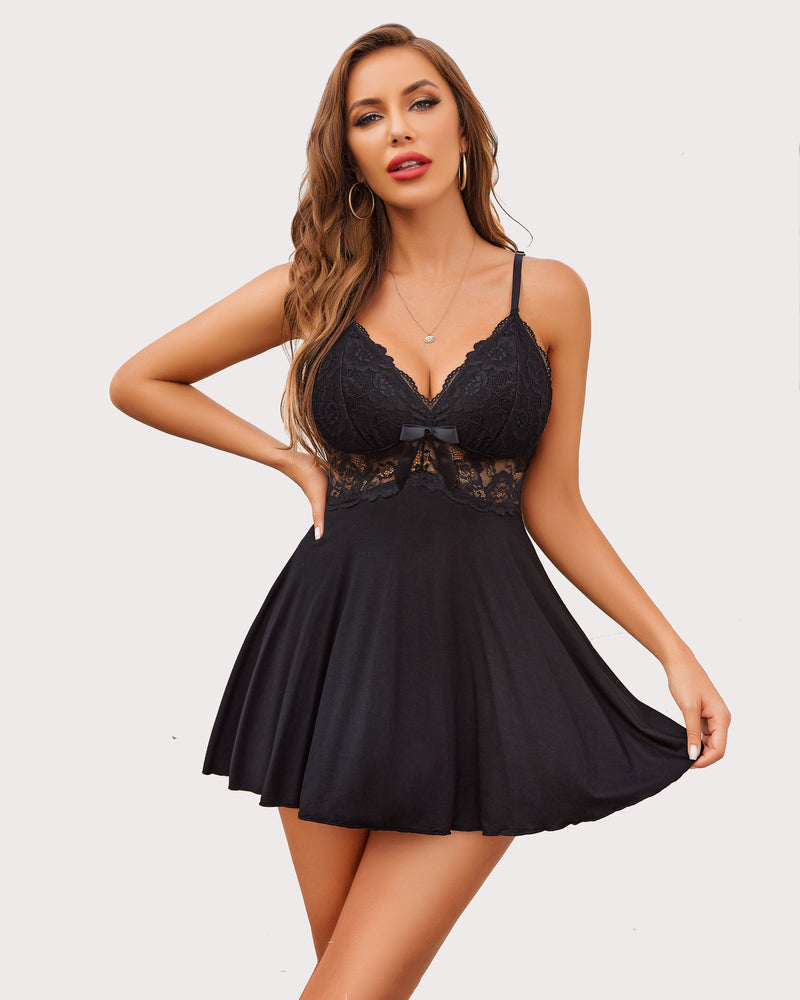
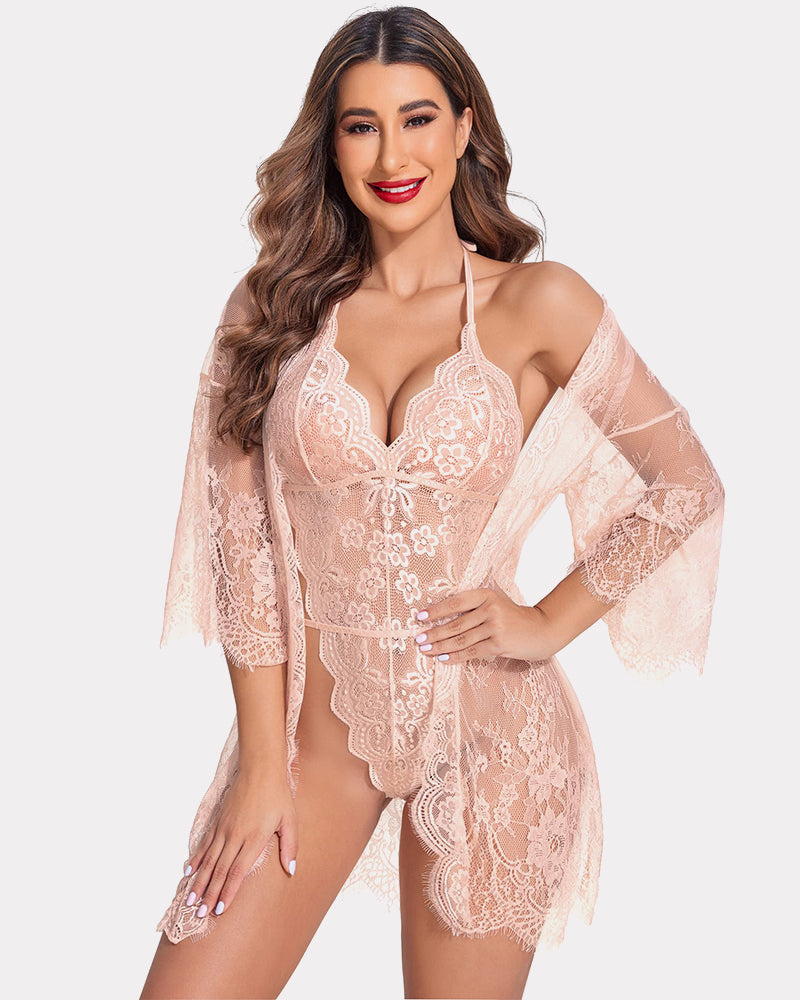
For delicate, romantic sets and bralettes, the rules are a little softer but the test is still worth doing. Many wire-free lace styles are designed for comfort and aesthetics more than heavy-duty engineering, but that does not mean you have to accept constant wardrobe malfunctions. When you raise your arms in a lacy plunge or a cute matching set, your breasts should stay roughly where you put them. If everything is trying to escape, consider going down a band, up a cup, or picking a style with slightly higher cups or more side support so you can enjoy the lingerie instead of worrying about it.
Quick Questions About the Arm-Raise Test
Do you really need to raise your arms every time you buy a bra?
If you want a bra that works in real life instead of just in front of the mirror, yes. The arm raise takes seconds and reveals problems that might take hours of fidgeting and discomfort to show up otherwise. Fit educators who build entire bra-fitting series around teaching women their sizes treat movement checks as nonnegotiable, because that is where clients feel the immediate difference between "technically on" and actually supportive, as highlighted in their educational series on measuring and fit.
What if you see "back fat" when the band is snug?
That little roll where your band sits is not a moral failing; it is skin and tissue being gently hugged by elastic. Professional fitters report that visible back bulge happens on nearly everyone, and that chasing a perfectly smooth back by sizing up the band just shifts the problem to the front by dropping support and creating spillage, as explained in their discussion of firm bands and back tissue. The goal is comfort and stability; a little texture under a T-shirt is normal.
How often should you recheck your size with the arm raise?
Bodies change with weight shifts, hormonal swings, new workouts, and time, and bra experts suggest remeasuring and reassessing size regularly so that your everyday bras stay supportive and comfortable as part of their guidance on bra lifespan and health. Any time your bands start riding up, your straps are overworked, or you feel more bounce than usual, it is time to repeat the arm-raise test in fresh sizes.
When you raise your arms in the fitting room, you are not being dramatic; you are auditioning that bra for the lead role in your everyday life.

Let the ones that ride up, spill out, or fight your body get cut from the cast, and keep the styles that stay loyal when you move. Your boobs deserve support that keeps up with you, not a bra that only behaves when you stand perfectly still.


 Secure Checkout


