
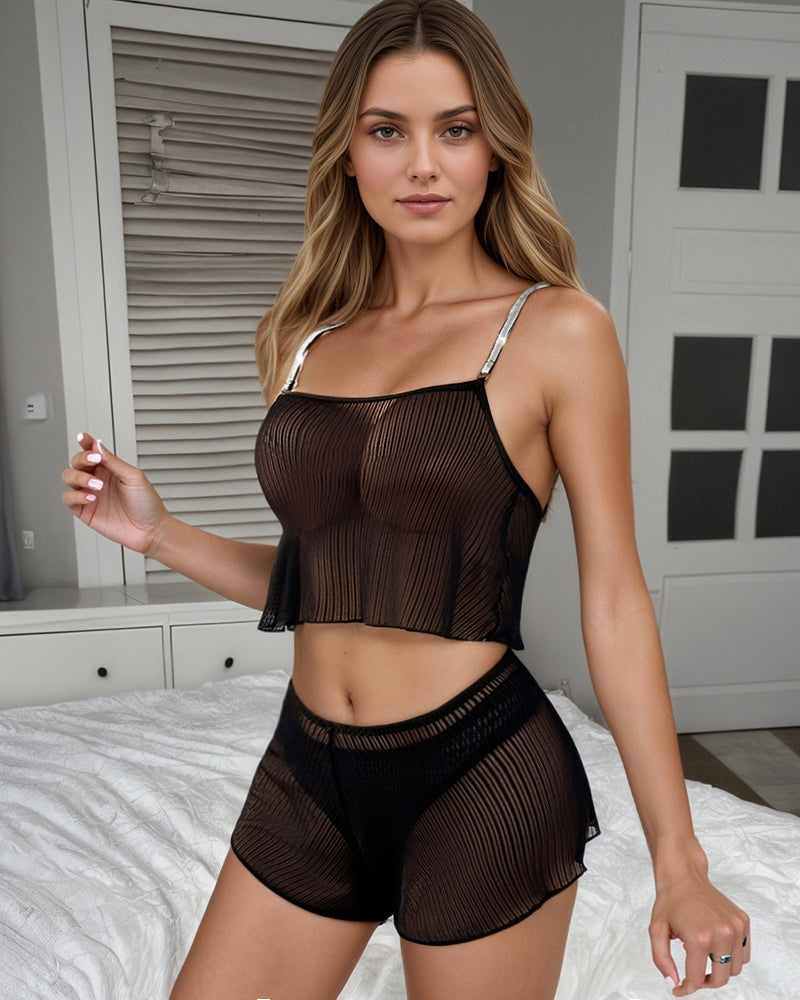



High-cut bodysuits are back as the leg-lengthening, confidence-boosting backbone of the 90s supermodel aesthetic, and they’re absolutely wearable on real, soft, lived‑in bodies.
Ever wrestled with a clingy skirt or low‑rise jeans all night, tugging your top down every time you stand up or sit? The women who switch from flimsy tees to a high‑cut bodysuit usually get a smoother, stay‑put outfit that survives errands, office chairs, and dance floors without a single panicked re‑tuck. This guide shows you exactly how to steal that 90s supermodel bodysuit magic in a way that works for your body, your budget, and your love life.
The 90s Supermodel Bodysuit: Why It Mattered
The 1990s supermodel era cemented a sultry, polished look built on long legs, contoured cheeks, smoky eyes, and rich berry lips that still shapes what “sexy but classy” means today. Modern recreations of those makeup looks lean on deep berry tones and soft contouring. You see it in the faces of Cindy Crawford, Naomi Campbell, Linda Evangelista, and Christy Turlington: the attitude was as important as the clothes, and photography from that period treated them as cultural icons, not just coat hangers. That’s why their outfits, from power blazers to high‑cut one‑pieces, still circulate on mood boards decades later.
Bodysuits sat at the center of that shift, and retrospectives on 90s grunge and casual style highlight them as quintessential pieces, often paired with high‑rise shorts, slip dresses, plaid flannels, and chunky boots to create that effortless “I just threw this on” cool. In that context, the high‑cut leg was a quiet power move: lifting the leg opening higher on the hip visually lengthened the leg line and carved out the waist, especially when paired with high‑waisted bottoms. The clothes weren’t complicated; the proportions were.
The Second Golden Age: Why High-Cut Bodysuits Are Back
Today, bodysuits are having a full‑blown comeback, with fashion writers noting a sharp rise in bodysuit popularity and social feeds saturated with bodysuit styling videos that rework the 90s mood for cooler seasons. That same 90s supermodel aura shows up in off‑duty outfits worn by modern models and influencers: loose jeans, sleek tops, small sunglasses, chunky boots. The high‑cut bodysuit slips right back into that formula, only now with stretchier fabrics, smarter closures, and more inclusive sizing.
Style guides often frame bodysuits as problem‑solvers: one‑piece tops that hug the body, create a smooth, tucked‑in effect, and move from jeans‑and‑sneakers errands to tailored trousers and heels without changing the base layer. A high‑cut leg amplifies the leg‑lengthening effect with low‑rise or wide‑leg denim, and under high‑waisted skirts or pants it simply disappears while still smoothing your hip line.
There is also a quiet sustainability upgrade happening. Some 90s‑style bodysuits are now made under the Global Recycled Standard, with recycled fibers verified at each step of the supply chain and with worker‑protection and chemical rules that go beyond just adding “recycled” to the tag, as with certain 90s bodysuits sold as Climate Pledge Friendly pieces. If you want that “Naomi in a white mini” energy without the eco‑guilt, hunting down GRS‑certified pieces is one way to flex your values and your legs at the same time.
What Actually Is a High-Cut Bodysuit?
A bodysuit is essentially a one‑piece, swimsuit‑shaped garment that fits close to the body, usually with snap closures at the crotch. It works as a sleek base layer that delivers a smooth, tucked‑in look under jeans, skirts, or shorts without extra fabric bunching under your waistband. Unlike a swimsuit, you’re meant to wear it as a top: with denim, tailored pants, or under sheer pieces for coverage that will not roll up.
A high‑cut bodysuit uses leg openings that sit higher on the hip, often above your natural leg crease, so more hip curve shows and your legs look longer. That higher line helps define the waist and elongate the legs. On the body, that translates to less horizontal line across the widest part of your thigh and more diagonal sweep, which is why even petite bodies often look taller and more lifted in high‑cut pieces, especially with heels or platform boots.
Beyond the leg, the usual design levers still apply. You can choose necklines—scoop, V‑neck, turtleneck, off‑shoulder—and sleeve lengths, from sleeveless to long‑sleeve, according to your body shape, the season, and how much skin you want to show. Bottom cuts range from full coverage to thong; thongs and seamless cuts minimize visible panty lines under clingy bottoms, while fuller backs can feel more secure under looser skirts or relaxed denim.

Fabrics shift the mood: cotton for breathable daytime, lace or mesh for night, satin or silk for elegant dinners.
High-Cut Bodysuits: Pros and Cons
High-Cut Perks |
Possible Trade-Offs |
The raised leg opening visually lengthens your legs and defines your waist, creating a more feminine, hourglass feel. |
If you are new to showing more hip, a high‑cut leg can feel exposed at first, especially with low‑rise bottoms; you may need a minute to adjust mentally even if the fit is technically fine. |
Bodysuits in general give you a smooth, tucked‑in look with no shirt hem cutting across your stomach, making them strong replacements for regular tops under skirts and trousers. |
Bathroom breaks can be fiddly in pull‑on styles; snap closures are more convenient but can feel bulky if you buy a low‑quality piece. |
High‑cut legs sit higher on the hip, which often reduces fabric bunching at the front of the thigh and can be more comfortable for movement, especially with wide‑leg jeans, trousers, or skirts. |
If the torso is too short or the fabric doesn’t stretch enough, the extra height of the leg cut can exaggerate digging and wedgies; wrong sizing and torso length cause most comfort issues. |
Bodysuits, including romantic lace and mesh versions, are versatile pieces that work for everyday outfits, nights out, and intimate moments, so a high‑cut piece can pull triple duty. |
Dress codes still matter; avoid pairing sheer, plunging, or overtly lingerie‑style bodysuits with formal offices or conservative settings without sufficient layers. |
The short version: high‑cut bodysuits are leg‑loving and versatile, but they are ruthless about fit. When the size and fabric are right, they feel like a second skin; when they are wrong, they will bully you all night.
Styling the High-Cut Bodysuit for Real Life
Everyday “Model Off-Duty” Energy
If you want that “model off‑duty” vibe, think simple pieces with smart proportions: relaxed bottoms and a sleek top so the outfit feels like loungewear but looks elevated. Start with a high‑cut ribbed bodysuit in black, gray, or white. Add low‑rise or mid‑rise loose jeans, preferably a darker wash if you enjoy that 90s mood, and finish with sneakers or chunky boots. A baseball cap or neutral cotton headband, small vintage‑style sunglasses, and a crossbody bag or mini shoulder bag instantly push the look from “I got dressed in the dark” to “I might be on my way to a casting.”
For more overt nostalgia, layer a high‑cut bodysuit under a bias‑cut slip dress, or pair it with high‑rise denim shorts and layered gold chains, plus platform sandals or boots. If your stomach is not in the mood to be center stage, lean on outerwear: oversize denim jackets, bomber jackets, cropped puffers, and shackets are all strong 90s‑inspired layers that keep you cozy while the bodysuit quietly sculpts underneath.
Romantic Nights and Special Occasions
Lace and mesh bodysuits are go‑to options for nights out and dressy occasions, especially paired with leather pants, mini skirts, or floaty midi skirts plus heels and statement jewelry. A high‑cut lace bodysuit hits a sweet spot for romantic nights: more leg, more hip, more drama, but still anchored and supported. For a sultry date, try a black or jewel‑toned high‑cut lace bodysuit with a high‑waisted satin midi skirt and strappy heels, then add a soft robe or blazer you can shrug off later.
For anniversaries or “just because” hotel nights, treat bodysuits and teddies as both lingerie and outfit, styled with a silk or sheer robe, heels, and a bit of jewelry. The high‑cut leg keeps your leg line clean when you sit or straddle, and the one‑piece shape means you are not fighting with bra bands and panties drifting in opposite directions. If you want to soften the look, pick pieces with strategic sheer panels rather than full transparency, or choose a deeper color like wine, chocolate, or forest green instead of stark black.
Office-Ready Without Looking Naked
High‑neck or long‑sleeve bodysuits in neutral colors are excellent under blazers and tailored trousers, giving you a clean, bulk‑free line that feels appropriate for work while still flattering your shape. High‑cut or not, the leg is invisible under high‑waisted pants or a pencil skirt; what matters for the office is fabric, neckline, and coverage. Choose cotton, modal, or smooth knits in black, navy, gray, or cream with crew or mock necklines and either short or long sleeves. Then add wide‑leg trousers, loafers or heels, and a sharp blazer.
If your office is business casual, a square‑neck bodysuit under an oversized blazer and straight‑leg jeans can work, especially in darker washes.

Pay attention to sheerness and bra situation: slim‑fit bodysuits can often be worn with your regular bra, but plunging or open‑back styles may need adhesive cups or a bralette designed not to show. The sassiest rule of thumb: if you hesitate bending over at the copier, add a layer or change the bodysuit.
For Curvy, Plus-Size, and Soft-Belly Bodies
Plus‑size fashion bloggers who style bodysuits for changing seasons emphasize how useful they are for keeping tops from coming untucked and for creating a seamless line under skirts, particularly on larger bellies and hips. One plus‑size stylist showcases elbow‑length bodysuits worn with circle skirts, pencil skirts, and blazers, highlighting how the smooth base helps outfits look intentional rather than fussy. A high‑cut leg can actually be more comfortable on fuller thighs and hips because the opening sits above the widest part of the thigh instead of cutting across it.
Fit rules matter more than size labels. Measure your bust, waist, and hips, pay attention to torso length, and choose stretch fabrics or “tall” options if you often feel pulled in the shoulders or crotch. If you are between sizes, go with the one that lets you close the snaps without strain and that does not dig into your hip when you sit. Remember, the goal is to frame your soft middle and full hips, not punish them. Your belly isn’t the problem; a too‑short torso is.
Choosing the Right High-Cut Bodysuit
Fit and Fabric That Love Your Body
Choose stretch fabrics—cotton blends, spandex or elastane mixes, or soft knits—so the garment hugs your body without restricting your movement. A bodysuit should move with you instead of locking you in place. For everyday wear, breathable cotton or ribbed knit is ideal; for work, smooth, opaque knits sit nicely under blazers; for night‑out looks, lace, mesh, or satin step in. If you live in a warm climate or run hot, look for moisture‑wicking or seamless construction and avoid heavy polyester that traps heat.
Pay special attention to torso length. If you often feel like one‑piece swimsuits pull, you likely need more length, so choose stretchier bodysuits, size up, or use bodysuit extenders when tall sizes are not available. A quick test at home: clip the snaps, raise your arms above your head, sit down, and walk around. If anything feels like it is sawing into your shoulders, bust, or crotch, it is the wrong size or cut—do not try to “get used to it.”
Neckline, Leg Cut, and Vibe
Necklines and cuts dramatically change the vibe. Scoop and crew necks feel easy and casual. Square necks and off‑shoulder cuts highlight collarbones and shoulders for a slightly flirty, Bardot‑adjacent feel. Deep V and plunge necklines are high drama for dates and nights out, especially in lace or mesh. Pair dramatic necklines with more coverage elsewhere: a high‑cut leg and a deep V looks intentional with tailored trousers and heels, but may feel like a bit much with micro shorts and stilettos.
High‑cut legs versus classic cuts come down to how you want your hip and thigh to read. High‑cut legs visually lengthen and sculpt; classic cuts provide more security and coverage. You can pair high‑cut bodysuits with baggy, low‑rise jeans to show a curated flash of hip, or tuck them into high‑waisted skirts so the high cut works invisibly to smooth under the waistband. Try both in front of a mirror and be honest about where your eyes go—and whether you like that.
Underwear, Shapewear, and Bathroom Logistics
Underwear with a bodysuit is optional. Thong‑back bodysuits are often designed to be worn alone, while lined and built‑in‑bottom styles can double as underwear, with comfort and hygiene as the main decision makers. Others treat bodysuits as outerwear and wear seamless panties underneath, especially if the fabric is thin or not very breathable. Shapewear‑style bodysuits are yet another category, intended as undergarments with targeted compression and built‑in bras, usually worn without additional underwear to avoid lines.
The honest, body‑loving answer: do what keeps you dry, comfortable, and undistracted. If you sweat easily or are prone to yeast infections, breathable underwear under non‑cotton bodysuits is a smart move. For date nights where you want a completely smooth line under a dress, skipping extra underwear in a lined, comfortable bodysuit is perfectly reasonable. For bathroom breaks, snap closures are your friend; pull‑on bodysuits are cute but frustrating in small bathrooms, while snaps offer a practical solution with minimal compromise to the clean look.
Questions You Might Still Have
Are High-Cut Bodysuits Only for Flat Stomachs?
Modern takes on “model off‑duty” style for everyday women emphasize comfort‑first pieces like yoga pants, sweatpants, wide‑leg jeans, and fitted tops, making it clear that the 90s supermodel mood is more about proportions and confidence than measurements. Bodysuits, including high‑cut ones, help here by removing the bulky hem that cuts across your belly and by giving you a smooth base under looser or structured bottoms. When you put a high‑cut bodysuit under a circle skirt, pencil skirt, or relaxed trousers, the visual story outsiders see is long legs and a clean waistline—not whether your stomach is perfectly flat. If the bodysuit feels good when you sit, that body is a bodysuit body.
How Do I Wear a High-Cut Bodysuit Without Feeling Overexposed?
Some 90s nostalgia pieces highlight plaid skirts, coordinated sets, and school‑ready outfits inspired by teen style icons of the era, showing how 90s fashion could be youthful and polished rather than overtly revealing. Borrow that logic for yourself. You control how much of the high‑cut leg the world sees by pairing it with different bottoms and layers. With high‑waisted jeans, trousers, or midi skirts, the high cut is invisible and just works behind the scenes to lengthen your leg under the fabric. With mid‑rise skirts or shorts, you can show a hint of hip bone, then tone it down with longer hemlines or roomy jackets. The bodysuit can be your little secret weapon; it does not have to be the main event.
Own Your High-Cut Era
The high‑cut bodysuit is not a test you have to pass; it is a tool you get to wield. Treat it like lingerie, shapewear, and outfit base all rolled into one, then choose fabrics, cuts, and layers that let your actual life—rush‑hour commutes, late‑night dancing, soft bellies, and all—fit inside the fantasy. Your body is not the thing that needs to change; the bodysuit is.


 Secure Checkout


