

 11TH ANNIVERSARY


For most hot sleepers, bamboo or a modal–cotton blend takes the breathability crown, while pure organic cotton shines for people who sweat lightly and want crisp, budget‑friendly summer comfort.
You know that feeling when you roll over on a July night and your “cute” pajamas have turned into a clingy, damp sauna suit? Suddenly that romantic sleepover vibe feels more like a wrestling match with your sheets. Many night‑sweat sufferers report that simply switching from polyester to basic cotton did nothing to stop the 3:00 AM drenched‑tee reality, while brands that test bamboo and modal blends often see sleepers stay drier and cooler. This breakdown walks through how cotton, bamboo, and modal actually behave in the heat so you can pick the fabric that keeps you cool, confident, and cuddle‑ready all night.
What “Breathable” Really Means When You Sleep Hot
“Breathable” sounds simple, but fabric experts point out that airflow is only one piece of the puzzle. Outdoor gear pros at REI emphasize that looser knits and thinner fabrics let more air move through, which matters, but they also stress moisture management and weight as key to real cooling. Cotton and linen, for example, let air flow, yet they soak up sweat and can stay wet.
Night‑sweat specialists at CoolYourSweats make an important distinction: breathability is just how easily air passes from one side of the fabric to the other. It does not guarantee that heat and moisture are handled well. Their testing showed that a 100% cotton nightgown stayed breathable yet turned into a damp, stained cling‑fest within a month for someone with serious night sweats.
Sleepwear researchers cited by Necesera note that fabric choice directly affects how well your body can drop its core temperature at night, and a 2023 Journal of Sleep Research study links poor thermoregulation to more awakenings and less REM sleep. Synthetic sleepwear can even nudge skin temperature several degrees higher than natural fibers, according to Textile Research Journal findings, which is the last thing you want during a heat wave.
So when you ask which fabric is the “breathability king,” what you really want is a fabric that lets air move, pulls moisture off your skin, and does not trap extra heat. With that in mind, let’s talk cotton, bamboo, and modal where it matters: in bed.
Cotton: The Laid‑Back Classic
Why Cotton Still Dominates Summer PJs
Cotton is the classic summer fabric for a reason. Brands like Printfresh and Stitch Fix highlight cotton for being naturally breathable, lightweight, and soft, especially in airy weaves like poplin, voile, lawn, and gauze. Organic cotton, in particular, is praised as the “coolest and most breathable” option in Printfresh’s hot‑weather pajama guide, where they spent about a year researching organic suppliers before switching new designs to organic cotton exclusively.
Cotton’s hollow structure allows airflow and it absorbs sweat, which can feel pleasantly cool if you are only lightly glowing, not dripping. Necesera and Sophia’s Style both describe cotton as a go‑to for warm conditions, comfortable on skin, hypoallergenic, and easy to wash. For many people in reasonably air‑conditioned bedrooms, a crisp cotton nightgown or short set is enough to keep things breezy and cute.

Where Cotton Lets You Down
The story changes once sweat really ramps up. CoolYourSweats documents that, for people who sweat heavily at night, cotton absorbs and holds moisture instead of moving it away. The result is a garment that clings, feels heavy, and leaves you damp and chilled once your body temperature drops after a hot flash. Good Housekeeping’s testing of cooling pajamas agrees: cotton is soft and breathable, but its moisture‑wicking ability is limited, so it is usually not ideal on its own for serious hot sleepers.
Softies, a pajama brand that compares cotton to moisture‑wicking fabrics, points out that cotton can work beautifully if you do not sweat heavily or if you choose very lightweight, season‑specific versions such as muslin for heat. But if you routinely wake up sweaty, cotton’s “soak and stay” behavior can turn a romantic cuddle into a sticky situation fast.
When Cotton Is Still a Smart Choice
Cotton absolutely deserves a place in your drawer. Organic cotton poplin or voile is fantastic if you sleep warm but not drenched, or if your climate is hot but relatively dry. Printfresh specifically recommends organic cotton nightgowns and short sets for hot sleepers in warm weather because the silhouettes are breezy and the fabric stays cool against the skin.
If you love the feel of cotton yet tend to overheat occasionally, look for blends where cotton is paired with a more aggressive moisture manager such as modal or bamboo, or consider specially treated cotton fabrics that add wicking finishes. CoolYourSweats notes that cotton‑poly blends engineered for moisture management can perform surprisingly well compared with untreated cotton, even though polyester on its own is usually a poor choice for night sweats.
Bamboo: The Silky Cool Crush
How Bamboo Pajamas Keep You Fresh
Bamboo‑based fabrics, usually labeled “bamboo viscose” or “bamboo rayon,” are beloved for their silky drape and cool touch. CNET’s sleep editors rank bamboo viscose as one of the best materials for summer pajamas because it is lightweight, breathable, smooth, and genuinely good at pulling moisture away from the skin. Sophia’s Style and Purecare echo this, noting that bamboo and other rayon‑family fibers can create a cooler microclimate by wicking away a large share of moisture and helping it evaporate.
Necesera cites data suggesting bamboo fabric can be up to about 40% more absorbent than fine organic cotton. That higher absorbency, paired with good airflow, is why many bamboo pajama fans say they wake up far less sticky on hot, humid nights. Softies also includes bamboo in the “moisture‑wicking” camp, describing bamboo‑based fabrics as soft, hypoallergenic, and friendly to sensitive skin.
For a steamy bedroom, a bamboo short set or nightdress in a relaxed cut can feel almost like wearing a cool, soft breeze, which is exactly the mood you want for summer cuddling.

The Bamboo Fine Print
Here is where the fine print matters. Much of what is sold as “bamboo” is actually bamboo rayon, and the Federal Trade Commission has warned that, by the time bamboo pulp is chemically processed into rayon, many of the plant’s original performance properties are gone. CoolYourSweats notes that bamboo rayon behaves like other rayon fabrics, not like some magical, naturally cooling grass.
Purecare agrees: bamboo rayon can be highly breathable and has low thermal conductivity, which helps stabilize body temperature overnight, but its performance depends heavily on fabric weight and construction. Clingy, dense knits can still feel stuffy. Softies points out that bamboo fabrics may wrinkle, pill, and require a bit more care than basic cotton, so they are not entirely low‑maintenance.
If you specifically want the most natural bamboo feel and performance, CoolYourSweats recommends looking for bamboo linen or bamboo Tencel (a type of lyocell) rather than plain “bamboo viscose.” Those blends keep more of bamboo’s original behavior while adding structure and durability.
Who Should Choose Bamboo PJs
Bamboo is a top contender if you live in a humid climate, run genuinely hot, or share a bed and do not want to stick to your partner by 2:00 AM. It suits sensitive, easily irritated skin thanks to its smooth texture and hypoallergenic reputation in brands like Softies and Style Trolley’s loungewear guidance. The trade‑off is that it can cost more than simple cotton, and eco‑claims around bamboo need a critical eye because the processing can be chemically intense even if the crop itself is sustainable.
Modal: The Overachiever in the Middle
Modal’s Moisture Superpower
Modal is a semi‑synthetic fiber made from wood pulp (often beech), and it behaves like the honor‑roll student of summer sleep fabrics. Necesera explains that modal is extremely soft, drapes beautifully, resists pilling, and excels at moisture wicking, with absorbency around 50% higher than cotton in some testing. Tommy John, a brand known for underwear and loungewear, adds that modal blends can absorb more moisture than cotton while staying smooth and close‑fitting, especially in micromodal forms.
Sleepwear labels like Fable & Eve flat‑out argue that a modal–cotton blend is the best fabric for summer pajamas, outperforming 100% cotton, silk, or linen for hot evenings. They describe modal–cotton fabrics as naturally super‑soft, slightly stretchy, rich in color, and resistant to shrinking, pilling, and creasing, which means they stay pretty even after a lot of washing. Good Housekeeping’s review of cooling pajamas puts modal and other rayon‑family fibers in the “super soft and cool to the touch” category with respectable moisture‑wicking, often preferred over pure cotton for hot sleepers.
When Modal Can Feel Like Too Much
Modal is not flawless. Purecare points out that while modal feels cool and wicks moisture, it can be less breathable and a bit heavier than some natural fibers, making it better suited to bedding and moderate heat than the most extreme, stagnant conditions. If your bedroom is more like a sauna with no fan or AC, a super‑light organic cotton voile or linen blend might feel airier than a dense modal knit, even if modal wins on moisture.
Because modal is semi‑synthetic, it also falls into the category of fabrics where production processes matter. Necesera and environmental discussions on sustainable fashion emphasize that many rayon‑family fibers are plant‑based but heavily processed, so it is worth seeking brands that talk openly about their sourcing and finishes rather than just slapping “eco” on the tag.
Why Modal–Cotton Blends Keep Winning
When you marry cotton and modal, you get a combination that many brands now build their core sleep lines around. Fable & Eve and Necesera both highlight modal–cotton blends as ideal for hot sleepers because cotton brings breathability and structure, while modal handles the heavy lifting on moisture wicking and keeps the fabric soft and smooth.
This balance is especially useful if you want pajamas that look polished enough for a romantic weekend but still behave like performance wear once the covers are on.

You get less clingy dampness than with pure cotton and, compared with some bamboo pieces, fewer issues with pilling or shape loss. For most people who sleep warm rather than in full medical‑level night sweats, this blend sits in the sweet spot between comfort, cooling, and affordability.
Cotton vs Bamboo vs Modal: How They Really Compare
Fabric / Blend |
Airflow & Feel |
Sweat & Moisture Handling |
Best For |
Watch Outs |
Organic cotton |
Naturally airy, crisp, light in poplin/voile |
Absorbs sweat but does not move it away quickly |
People who sweat lightly to moderately, dry or mild climates |
Can stay damp and clingy with heavy sweat; needs lighter weaves |
Bamboo (mostly viscose) |
Silky, smooth, cool touch, good airflow |
Strong absorption and wicking, especially in humid air |
Hot, humid nights, sensitive skin, night sweats |
Quality varies; many “bamboo” pieces are just rayon; may wrinkle or pill |
Modal or modal–cotton |
Soft, drapey, cool hand, moderate airflow |
About 50% more absorbent than cotton, strong wicking |
Hot sleepers wanting polish and easy care |
Dense or heavy knits may feel warmer in extreme heat; semi‑synthetic processing |
So Who Wears the Breathability Crown?
If the bedroom turns into a tropical storm and you regularly wake up drenched, bamboo‑rich or modal‑blend pajamas are the real winners. Multiple sources, from CNET to Sophia’s Style and Necesera, highlight bamboo and rayon‑family fibers for their strong moisture handling in heat, and brands like Fable & Eve and Good Housekeeping consistently lean on modal and similar fibers for modern cooling sleepwear. These fabrics simply outperform pure cotton once sweat levels get serious.
If you run warm but not swampy, especially in a climate with decent air circulation or AC, organic cotton still deserves its halo. Printfresh and several hot‑weather guides describe organic cotton poplin and voile as the coolest, most breathable classic option, with a crisp feel that works beautifully in nightgowns and short sets. It is comfortable, familiar, and usually the most budget‑friendly choice.
For an all‑around “breathability king” that balances airiness, moisture control, skin feel, and looks, a modal–cotton blend takes the crown for most bodies and bedrooms. It handles sweat better than cotton, feels smoother than many bamboo knits over time, and keeps its shape and color, which matters when your summer pajamas double as flirty loungewear.
How to Choose Your Perfect Summer PJ Fabric
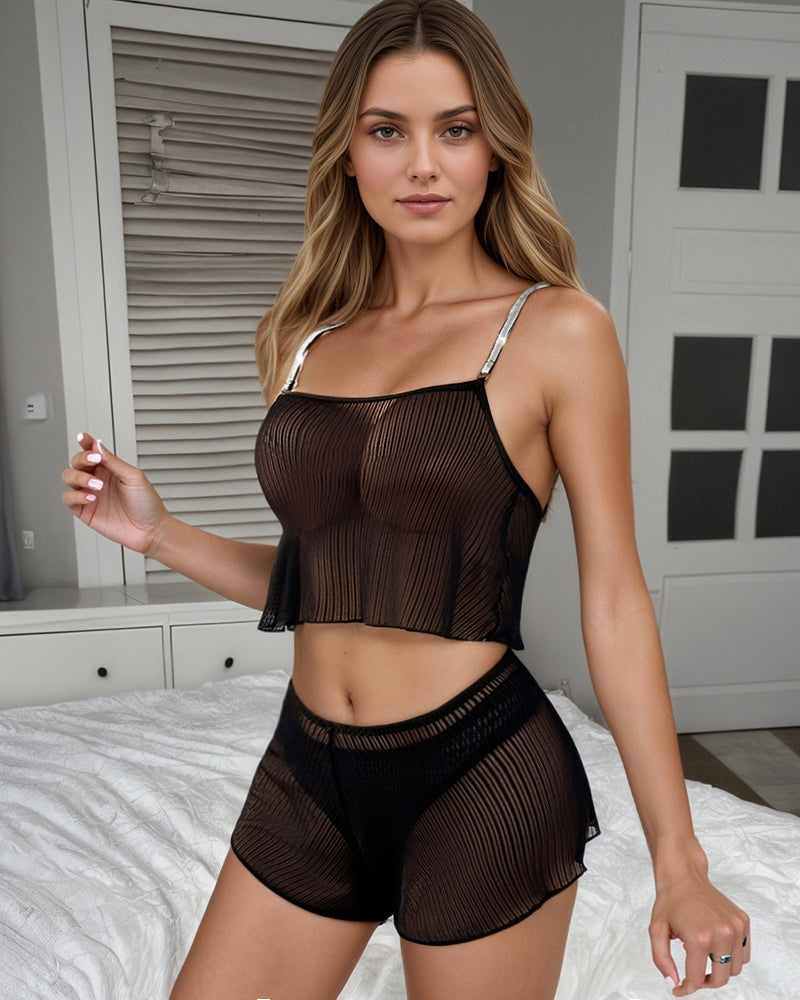
Start with your sweat level, not just the temperature outside. If you only get a little warm and mainly want something that feels light and non‑clingy, reach for organic cotton in a loose fit: a gauzy nightdress, cotton voile camisole with shorts, or a relaxed poplin set. Brands that specialize in organic cotton pajamas specifically recommend nightgowns and short sleep sets for hot weather because the silhouettes are breezy and the fabric keeps air circulating.
If you routinely wake with damp hair and sticky thighs, bump yourself into the “serious hot sleeper” category and shop for bamboo or modal‑rich pajamas instead. Look for tags that list bamboo viscose, bamboo rayon, or modal as the majority fiber, ideally blended with cotton for a bit of structure. CNET’s recommendations and Good Housekeeping’s cooling pajama tests both point toward these semi‑synthetic, moisture‑focused fibers for hot sleepers.
Climate matters too. Purecare suggests that cotton shines in drier or less humid heat, while more absorbent fibers like Tencel, bamboo, and modal are better for sticky, coastal conditions. If your summer includes heavy humidity or menopause‑level night sweats, lean into bamboo and modal. If your heat is dry and your AC behaves, airy organic cotton can be just right.
When you can touch fabrics in person, use a quick, low‑tech test inspired by outdoor gear experts: hold the garment up to the light. If you can see tiny pinpoints of light coming through, the weave is open enough to breathe. Then pinch a bit of the fabric between your fingers; if it feels dense and rubbery, it may trap more heat than its label suggests, even if it says “cooling.”
Finally, remember fit is part of breathability. Nightwear guides from brands like Their Nibs and Seamwork stress that oversized cuts, floaty nightdresses, and shortie sets allow more airflow and prevent cling, especially over the bust, tummy, and thighs. A bamboo or modal blend can only do so much if it is skin‑tight and layered with thick elastic bands.
A Few Quick Questions, Answered
Is sleeping naked cooler than wearing pajamas?
CNET’s sleep experts point out that skipping pajamas does not automatically keep you cooler. A lightweight, breathable, moisture‑handling fabric can actually help pull sweat off your skin and keep you drier, especially if you share a bed and spend part of the night skin‑to‑skin. A bamboo or modal–cotton short set or nightdress often beats going bare under a thick comforter when the air is still and humid.
What if I have very sensitive or easily irritated skin?
Necesera and Softies both recommend natural or plant‑based fibers with gentle finishes for sensitive skin, such as organic cotton, bamboo, silk, or smooth modal. Look for minimal embellishments, soft waistbands, and labels that mention hypoallergenic or skin‑friendly qualities, and avoid rough synthetics or heavy, scratchy trims. Bamboo and modal blends can be especially kind to curvy areas that tend to chafe, like inner thighs and underbust.
Are “cooling” marketing claims worth trusting?
Good Housekeeping advises being skeptical of dramatic cooling promises and instead focusing on what the fiber actually is. Cooling pajamas that work well in their tests rely on known performers like modal, rayon, bamboo blends, and some engineered synthetics with proven moisture‑management finishes. Ignore vague buzzwords and look at the fiber breakdown: if cotton is the only major ingredient and you know you sweat heavily, that set is likely to feel cute for photos and sticky by midnight.
Bottom line: if you want to feel gorgeous, dry, and touchable on hot summer nights, treat fabric content like your dating profile filter. For light heat, organic cotton is your reliable sweetheart; for steamy nights and serious sweat, bamboo or modal‑rich pajamas are the sultry, supportive partners that actually show up for you till morning.
References
- https://www.seamwork.com/fabric-guides/a-guide-to-loungewear-fabrics-and-patterns?srsltid=AfmBOorFoY1qTSanyrKKc5mmmxc3CYHXINbDqg6gr0HpfPbsovywfkW_
- https://coolyoursweats.com/blogs/news/is-breathable-fabric-the-key-to-a-good-sleep-for-night-sweats-sufferers?srsltid=AfmBOoru6c9WKiIhAsf6hatEgwWTxpYUPGOZxeSwevq90lyRTgJ6KkCx
- https://everlastingfabric.com/blogs/ever-lasting-blog/the-best-pajama-fabrics-for-every-season-comfort-and-style-all-year-long?srsltid=AfmBOoplMqH7uKkaSFbCegLnoGDbcb7CsnRNycS0YbJXwCTTanSmO5dI
- https://fableandeve.com/blogs/news/the-best-fabrics-for-summer-nightwear#:~:text=The%20majority%20of%20pyjamas%20you,and%20warm%20in%20the%20winter.
- https://fcdrycleaners.com/blog/the-best-fabrics-for-hot-weather/
- https://www.necesera.com/blogs/pajama/how-to-choose-sleepwear-fabric?srsltid=AfmBOorWddTUvqFqmMH48laC233BlEDHrEC6IaeLSVls-NRfezkgHI87
- https://printfresh.com/blogs/info-guide/what-are-the-best-pajamas-for-hot-weather#:~:text=Organic%20cotton%20is%20the%20most,allows%20for%20ideal%20air%20circulation.
- https://www.purecare.com/blogs/pure-wellness-journal/best-fabrics-for-hot-weather?srsltid=AfmBOopdk-n2rephYd-qwgvxpy615FHyRy7Ht0G9yZJuSLm6J30noa-D
- https://www.rei.com/learn/expert-advice/how-to-dress-for-humidity.html
- https://www.softiespjs.com/blogs/news/best-fabric-for-pjs?srsltid=AfmBOooUrO04QdBZaiJW1yCSCkVMx3BMMDOg6hnBt0pPnG3Y8A7W_dAH


 Secure Checkout


