

 11TH ANNIVERSARY


Yes, you can wear some bodysuit lingerie as swimwear, but only when the fabric, construction, and coverage are genuinely swim-ready; everything else belongs poolside, not in the deep end.
You pull on a bodysuit that makes your waist look cinched and your cleavage sit just right, then stare at the hotel pool wondering if you can skip buying a new swimsuit. After seeing underwear-as-outerwear, swim-to-street pieces, and real bodies test them at beaches and bars, the pattern is clear: some bodysuits absolutely handle water, and others fall apart the second they get wet. This guide walks you through how to tell the difference, how to style both, and how to protect your body and your budget while you are at it.
Bodysuit Lingerie vs. Swimsuit: Same Vibe, Different Job
A lingerie bodysuit is an all-in-one, swimsuit-like garment with bra-level support, a fitted torso, and a gusset that often fastens at the crotch, combining a bra and panties into one curve-hugging piece, as described in bra-sized bodysuit style guides. Many are bra-sized for fuller busts, with underwire or structured cups, so they lift like a proper bra while smoothing everything underneath clothing.
Brands that specialize in fuller-bust lingerie highlight bodysuits as multitaskers that smooth the silhouette, eliminate visible panty lines, and stay tucked into jeans or skirts whether you wear them as hidden lingerie or as a visible top, as shown in how to wear a bodysuit advice. They call out details like tummy-control panels, high-neck or long-sleeve options, and lace or mesh styles that can go from “office under blazer” to “date-night statement” just by changing what you pair them with.
Some lingerie labels go further and design specific bodysuits to work as swimwear or beach cover-ups, building in removable pads, tummy compression, and 4-way stretch so they can move from the water to a beach café without changing, as described in bodysuit lingerie overviews. Others frame bodysuits and teddies as one-piece, stretch-lace garments that create a smooth silhouette and can double as beachwear with sarongs or shorts, while also noting that a simple one-piece swimsuit can stand in as a bodysuit in bodysuit and teddy styling explainers.
Dedicated swimsuits, on the other hand, are built from the start to handle water, movement, and repeated wear, and many shapewear swim brands now openly market their suits as pieces you can also “wear as bodysuits” in shapewear swimwear descriptions. Fashion editors have even worn swimsuits as bodysuits to work by layering them under blazers and everyday separates, showing how blurred the line can be between swim and street outfits in swimsuit-as-bodysuit outfit experiments.
So the overlap is real, but intention matters: lingerie bodysuits are designed first for the bedroom, outfits, or shaping; swimsuits are designed first for water. Whether your bodysuit can safely moonlight as swimwear depends on how closely it behaves like a swimsuit, not just how similar it looks on a hanger.

The Dos: When Bodysuit Lingerie Works as Swimwear
You are in the “yes, you can swim in this” zone when your bodysuit is clearly built and marketed for water, not just posed next to a pool in a photoshoot. Some styling content treats bodysuits as both bathing suits and everyday tops, praising their versatility, comfort, and curve-enhancing silhouette when they are made from stretchy, quick-drying fabrics that move easily in water, as shown in bodysuit swim styling examples. That combination—water-friendly fabric plus intentional swim use—is your first green flag.

Pieces explicitly described as able to double as swimwear or beach cover-ups, with features like removable pads, 4-way stretch, and built-in compression, are strong candidates to use in place of a one-piece swimsuit in bodysuit lingerie guides. Those details signal that the designer thought about support, coverage, and movement in wet conditions, not just how the bodysuit photographs in a bedroom.
A practical test you can do at home is to look at the label and product description. If the brand uses language like “swim,” “beach,” or “swim-to-street,” or shows the piece styled in the water with swim bottoms, it is closer to a swimsuit than a delicate teddy. Lifestyle posts that pair bodysuits with high-waisted swim shorts or skirts to elongate the legs and accentuate the waist for beach days, and then remix them with linen pants or denim shorts for brunch, show how a truly swim-ready bodysuit can anchor both swim and day looks in bodysuit-to-swim outfit ideas.
Imagine a black, compression-style bodysuit that specifically mentions swim use, with supportive cups and thick, smooth fabric similar to your favorite one-piece. You could wear it with high-waisted swim shorts for the pool, throw on a flowy kimono as a cover-up, then swap the shorts for wide-leg pants and heeled sandals for a sunset date. That is the kind of multitasking that earns its place in a small, real-life wardrobe.
The Don'ts: When to Keep Your Bodysuit Out of the Water
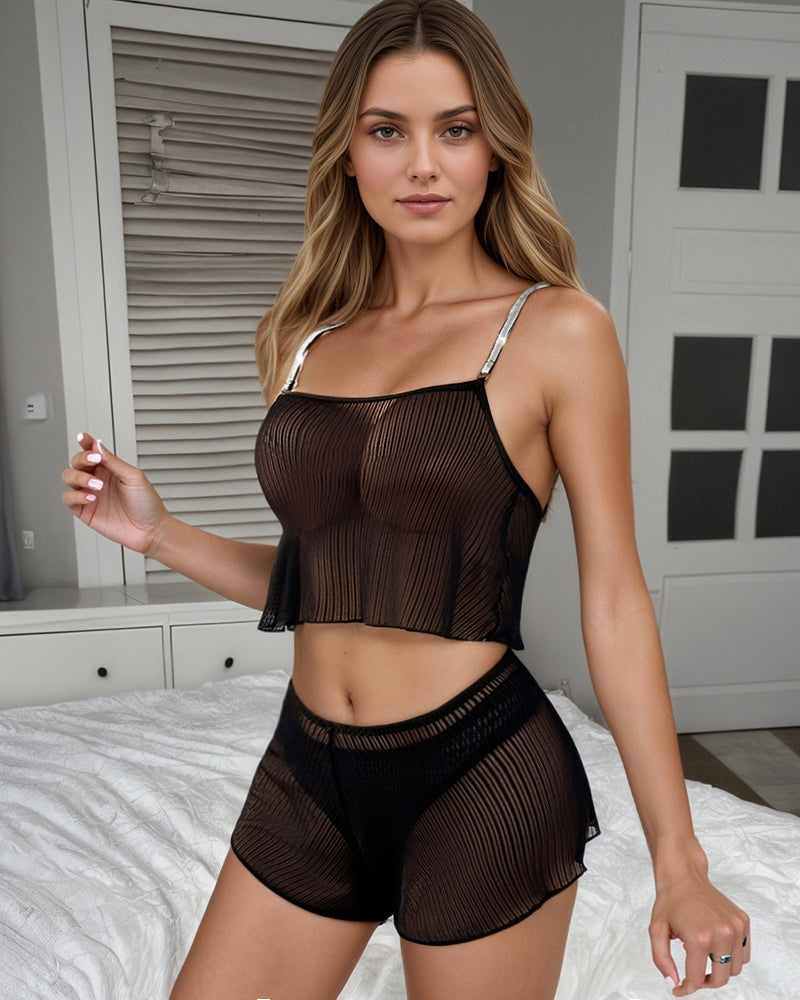
On the flip side, plenty of bodysuit lingerie is absolutely not meant to be dunked, no matter how good you look in it by the pool. Bodysuits and teddies made primarily of delicate stretch lace, intricate mesh, cutouts, or strappy details are usually designed as lingerie-first pieces that can be layered under clothing or styled as outerwear, not as performance swimwear, in bodysuit and teddy style overviews. They excel at adding texture and sexiness under blazers or sheer tops, but water will ask more of them than they were built to give.
If your bodysuit is labeled hand-wash only, has very sheer cups with no lining, or relies on delicate trims and appliqué for its magic, treat it as dry-land royalty. Lingerie-focused guides emphasize that pieces like this are meant to feel soft, breathable, and flattering against the skin, and that they stay comfortable when the fit is snug but not digging, in flattering bodysuit lingerie explainers. Soaking them can turn that comfort into sagging fabric, surprise sheerness, and straps that no longer sit where they are supposed to.
There is also the “looks hot, moves badly” problem. Lace teddies with ultra-high legs, thong backs, or elaborate strapping might be perfect under a blazer for a rooftop drink but disastrous the second you try to climb a pool ladder. Those design details are brilliant for romance and going-out outfits, especially when layered under jackets or paired with high-waisted jeans or skirts, as shown in underwear-as-outerwear styling content in lace bodysuit outfit ideas. In water, though, they are more likely to float, twist, or expose than support you.

The bottom line: if a bodysuit is clearly lingerie-first and never mentioned alongside swim or beach use, treat it as a “poolside look” piece. Wear it with a wrap skirt, linen pants, or shorts for photos and cocktails, but change into a true swimsuit before you actually head into the water.
How to Style Bodysuits and Swimsuits Around the Pool
Whether your piece is swim-ready or deliberately dry, the styling approach is very similar. Summer outfit roundups love pairing bodysuits with high-waisted pants, shorts, and skirts to create long-leg, cinched-waist proportions that work for everything from casual errands to polished evenings in bodysuit outfit inspiration. The same formulas work beautifully around the pool, with the bodysuit or one-piece acting as a sleek “tucked-in” top.
Styling advice that focuses specifically on bodysuits leans heavily on high-waisted jeans, tailored pants, maxi skirts, and faux leather options, plus layering under blazers, kimonos, or sheer tops to add coverage while keeping the silhouette streamlined in how to style a bodysuit features. Translated to the pool, think swimmable bodysuit with a sarong or flowy wrap skirt for the daytime, then trade the wrap for tailored wide-leg pants and heeled sandals at night while the same bodysuit does all the body-sculpting work.
Lingerie styling content also emphasizes layering sexy pieces like lace bodysuits under jackets or semi-sheer tops to make them more public-appropriate, which is just as useful for pool bars as it is for date nights in approachable lingerie style explainers. If your bodysuit is too sheer for a family pool, throw on a loose button-down shirt, tie it at the waist, and add linen shorts: you get the body-hugging silhouette with extra coverage where you want it.
One more styling hack: flip the script and wear a one-piece swimsuit as a bodysuit when you are not swimming. Fashion editors have layered simple one-pieces under blazers, pants, and skirts for the office or nights out, breaking that “I can only wear this on vacation” rule in swimsuit-as-bodysuit workwear experiments. If you already own a supportive one-piece you love, using it this way can be a budget-friendly alternative to buying a separate shapewear-style bodysuit.
Comfort, Coverage, and Confidence: Your Body Is Not the Problem
Everything here is about making your life easier, not policing what you are “allowed” to wear. Body-confidence pieces arguing there is no age limit on bikinis, and that people in their 40s and beyond can simply choose what feels comfortable—whether that is a bikini, a one-piece, or high-waisted retro styles—push back firmly on swimwear shame in personal reflections on swim style at every age. The same energy applies to bodysuits: if you like how you look in it, it fits, and you feel secure, that is the right starting point.
For fuller busts or curvier figures, bodysuits that use bra-band and cup sizing offer support and proportioned torso length so the body section lines up with your usual clothing size in bra-sized bodysuit overviews. Combined with designs that smooth and control the tummy while staying sleek under clothing, they create that “held but not squeezed” feeling many people want from a bodysuit, whether they wear it as lingerie, outerwear, or occasionally as swimwear when the piece is built for it.
Lingerie brands that center confidence and comfort remind shoppers that the goal is to find styles that “bring out your best,” framing lingerie as fun and approachable rather than something to be stressed about in lingerie style explainers. So if a bodysuit makes you stand straighter and smile at your reflection, it deserves to be worn; you just decide whether it is a swim hero, a poolside outfit, or strictly bedroom glam based on its fabric and construction, not your worth.

There is also a practical comfort and health angle. Long essays on swimwear mention worries about spending hours in damp, synthetic fabric and developing irritation or yeast issues, and they lean on the reminder to change out of wet swimwear when you are done in personal discussions of swimsuit comfort and hygiene. The same logic applies to bodysuits: even if yours is swim-ready, do your body a favor and change into dry clothes once you are done swimming instead of sitting in a wet piece all day.
Quick Pros and Cons of Using Bodysuit Lingerie as Swimwear
Option |
Pros |
Cons |
Swim-ready bodysuit lingerie (marketed for swim or beach) |
Versatile; one piece can handle swimming, lounging, and outfit duty; often has smoothing compression and supportive cups that flatter curves. |
Can cost more than simple swimsuits; compression and thicker fabric may feel warmer on very hot days; snaps or gussets can feel different when wet. |
Regular lingerie bodysuit, worn dry by the pool |
Looks sexy and styled in photos; you get bra-level support with a clean, tucked-in line under skirts, shorts, or pants; perfect for turning a pool into a party backdrop. |
Not built for water; likely to become sheer, stretched, or misshapen if soaked; delicate lace or mesh needs gentle care and can snag more easily. |
One-piece swimsuit worn as a bodysuit |
Built to handle water, movement, and repeat wear; often has built-in support and compression that doubles as shapewear under outfits; maximizes use of a piece you already own. |
Bathroom breaks are less convenient; some cuts and prints can look awkward with pants; performance fabrics may feel less breathable as all-day streetwear. |
If you are trying to stretch your budget, the sweet spot is often one thoughtfully chosen swim-ready bodysuit or swimsuit that you are happy to wear with real clothes. The more outfits you can build around it, the less it feels like “just” a vacation purchase.
FAQ: Common Questions
Can I wear a sheer lace teddy in the hot tub?
You can absolutely sit around the hot tub in a sheer lace teddy and look incredible, especially if you layer it under a kimono or blazer and add high-waisted bottoms, as many lace bodysuit outfit ideas suggest in lace bodysuit styling content. Actually getting into the water is a different story: that kind of piece is usually designed as lingerie, not tested for opacity, shape, or durability when soaked. If you want to flirt in lace and still get in the water, look for bodysuits that are explicitly sold as swim-capable or choose a lace-detailed swimsuit built for both romance and laps.
How do I test if my bodysuit is safe to swim in?
Start with the boring but essential step: read the label and product description. If the brand positions it as swimwear, beachwear, or swim-to-street, includes features like removable pads and 4-way stretch, and shows it styled in the water or with swim bottoms, that is a strong sign it can handle a dip in bodysuit lingerie guides that call out swim use. Then, try it in a private setting with water: wear it in the shower or a bathtub for a few minutes, move around, and check for sheerness, shifting, or discomfort. If it stays opaque, supportive, and comfortable, you are much closer to “yes, this bodysuit can come swimming.”
Closing Thoughts
Your lingerie drawer does not need more rules; it needs more pieces that actually work for your life. A bodysuit that is genuinely designed for water can absolutely be your secret weapon, doubling as a swimsuit, a going-out top, and a shapewear-like base. The rest of your bodysuits still deserve the spotlight as poolside outfits or romantic-night heroes, even if they never touch the deep end. Your job is simple: pick what makes you feel powerful, let the fabric dictate whether it swims or lounges, and stop apologizing for taking up space in either.


 Secure Checkout


