
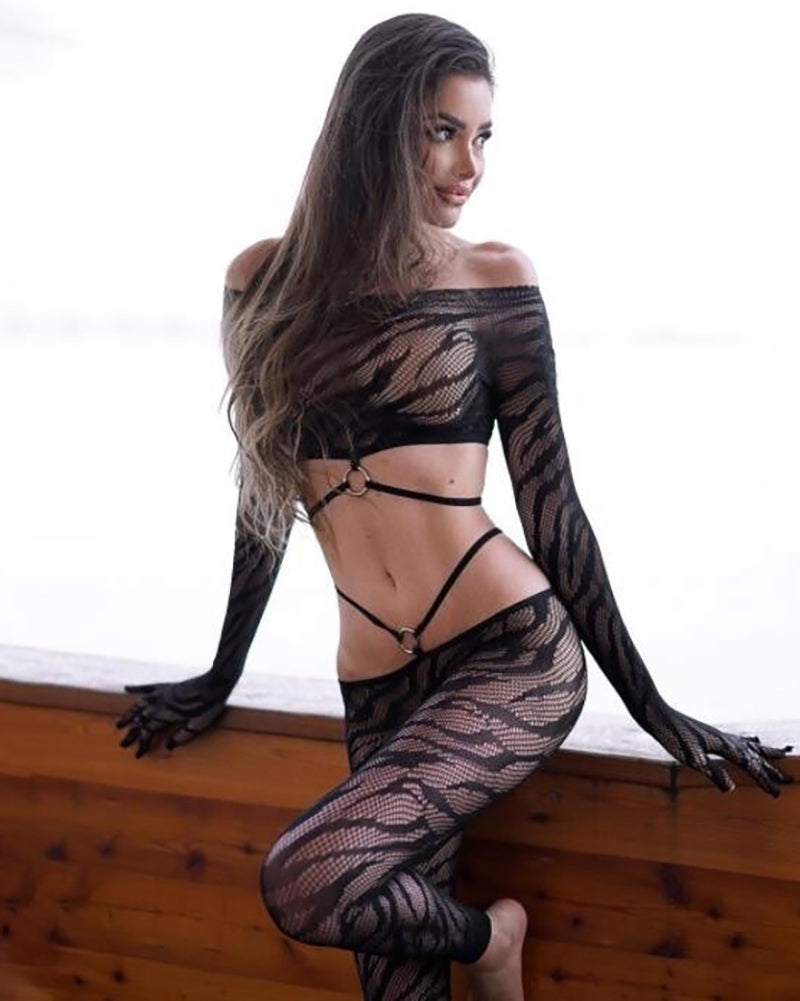


The clothes you choose for bedtime—or choosing none at all—can shape how restful your night becomes. Some people swear by the freedom of bare skin, while others feel more secure and comfortable in soft pajamas. Temperature, fabric, and even routine all play a role in how easily the body relaxes into deep sleep. Whether warmth or airflow matters more, small choices around sleepwear can make a big difference in comfort and quality of rest.
Pajamas vs Sleeping Naked: How Bedtime Choices Affect Sleep Quality
What you wear to bed isn’t just a matter of comfort—it directly influences how easily you fall asleep and how rested you feel the next morning. The body cools down naturally at night as part of its circadian rhythm, and clothing or the lack of it can either help or interfere with that process. From fabric choices to airflow, small details add up to better or worse sleep.
- Body temperature regulation – The body’s core temperature drops before and during sleep, and pajamas or bare skin can either trap or release heat.
- Circadian rhythm support – Maintaining a cooler environment signals the body it’s time to rest, improving the chance of deep, restorative sleep.
- Fabric influence – Breathable materials like cotton or bamboo let the skin breathe, while synthetics may trap heat and cause restlessness.
- Airflow and comfort – Sleeping naked increases airflow around the skin, while lightweight pajamas can balance warmth and ventilation.
Why Sleep Without Pajamas Can Be Good for You
Sleeping without clothes might feel unusual at first, but many people find it more comfortable once they try. It helps the body cool down, gives the skin more room to breathe, and can even make you feel closer to your partner. For some, it’s simply about enjoying the freedom of moving around without fabric in the way.
Staying Cool Helps You Sleep Better
In the night, your body naturally cools down. You can keep cool and comfortable by allowing excess heat to escape more readily when you're not wearing pajamas. It is simpler to get to sleep and remain in deeper sleep stages when the body is colder.
Skin Feels Fresher and Less Irritated
Sometimes, fabric might brush against the skin or retain perspiration. Your skin can breathe when you sleep naked because it breaks down that barrier. If you frequently get hot or sweaty at night, this may feel more refreshing.
Feeling Closer and More Relaxed
Sleeping skin-to-skin with a significant other can lower stress and foster a sense of intimacy. Many people claim that the freedom of sleeping naked promotes speedier relaxation and more restful sleep, even if they sleep alone.
Comfort Without Restrictions
When you're trying to fall asleep, elastic seams, buttons, or waistbands may seem constricting or uncomfortable. You can move more freely and concentrate on getting comfy under the blankets when you're not wearing pajamas because there's nothing to pinch or twist.

What Are the Downsides of Sleeping Naked?
Sleeping without clothes has its benefits, but it also comes with a few drawbacks. For some people, it may not be the most practical choice, especially when hygiene, comfort, or unexpected situations are considered.
Sheets Can Get Dirty Faster
Sweat and oils from your skin fall directly onto the sheets if your pajamas aren't there to function as a barrier. This implies that in order to keep fresh, they might require more frequent washing. This can also cause hygienic issues in sharing beds.
Emergencies or Cold Nights Feel Awkward
Being nude can be inconvenient if you have to get up fast in the middle of the night, whether it's for an emergency or simply to answer the door. If you don't have extra blankets close by when the room temperature decreases unexpectedly, it could also be uncomfortable.
Less Practical in Cold Homes or Shared Spaces
Sleeping naked may cause you to shiver rather than get a good night's sleep in colder areas or homes without enough heating. Sharing a space with family, roommates, or visitors when privacy is restricted might also make you feel less at ease.
Why Wearing Pajamas Can Be a Good Choice
Pajamas are more than just nightwear—they can make sleep more comfortable, cleaner, and even more relaxing. The right pair helps with body temperature, protects the skin, and signals that the day is done.
Fabrics That Keep You Comfortable
Cotton pajamas are light and breathable, bamboo stays cool and absorbs sweat well, and silk feels soft while reducing skin irritation. A luxurious Satin Kimono Robe Dress offers the smoothness of silk with an elegant drape that moves with your body, while a delicate Floral Lace Lingerie Set combines comfort with feminine style. These natural fabrics let air move around your body so you don't overheat, unlike synthetic materials that trap heat and moisture.
Warmth Without Heavy Blankets
In colder rooms or during winter, pajamas add a gentle layer of insulation. A cozy Long Sleeve Pajama Set provides full coverage and steady warmth throughout the night, while a slit dress set offers coverage with easy movement. This makes it easier to stay warm without stacking on multiple blankets, which can feel heavy or restrictive. Pajamas help keep warmth steady so you don't wake up shivering.
Keeping Beds and Skin Cleaner
Pajamas act as a shield between your body and your sheets. Whether you're wearing a classic cotton set or a flowing Satin Kimono Robe Dress, they catch sweat, oils, and skin cells so the bed stays fresher longer. They also protect your skin from direct contact with rough bedding or dust that can cause irritation.
A Habit That Helps You Relax
Changing into pajamas at night tells your mind it's time to slow down. Slipping into a soft Long Sleeve Pajama Set or a beautiful Floral Lace Lingerie Set creates a ritual that separates your active day from restful sleep time. This simple routine can make it easier to feel calm and get into "sleep mode." Many people find that this habit helps them fall asleep faster and rest more deeply.
What Are the Drawbacks of Wearing Pajamas?
While pajamas can make sleep cozy and familiar, they aren’t perfect for everyone. The wrong type or fit can actually make rest harder instead of easier.
Getting Too Warm or Feeling Restricted
Wearing additional layers of clothing can trap heat, particularly if you already use heavy blankets for sleeping. Overly tight pajamas or ones with buttons and drawstrings may also limit your range of motion, causing you to toss and turn all night long.
Fabrics That Trap Heat and Sweat
Polyester and nylon are examples of synthetic materials that don't breathe properly. Sweating and discomfort may result from their retention of heat and moisture. The body finds it more difficult to maintain the lower temperature required for sound sleep as a result.
Poor Fit Can Disrupt Comfort
Oversized pajamas can bunch up and curl around the body, while too-tight ones might irritate the skin or limit blood flow. By requiring you to change your clothes rather than relax, both circumstances have the potential to disrupt your sleep.
Which Is Better for Sleep: Pajamas or Sleeping Naked?
Choosing between pajamas and sleeping naked comes down to more than personal preference—it’s about temperature, comfort, and lifestyle. Each option has unique strengths and weaknesses, and what works well in one situation may not feel right in another.
| Factor | Pajamas | Sleeping Naked |
| Temperature Control | Adds warmth, ideal for cooler rooms or winter months. | Releases heat easily, better for hot climates or night sweats. |
| Comfort & Movement | Can feel cozy but may restrict if too tight or heavy. | No fabric restrictions, freedom to move naturally. |
| Skin & Hygiene | Acts as a barrier, keeping sheets cleaner for longer. | Skin breathes more, but sheets absorb sweat and oils directly. |
| Fabric Influence | Cotton, bamboo, or silk allow airflow; synthetics can trap heat. | No fabric to manage, skin fully exposed to airflow. |
| Practicality | Provides modesty, easy during emergencies or shared living. | May feel awkward in shared spaces or sudden situations. |
| Psychological Effect | Creates a bedtime routine, signals the body it’s time to rest. | Feels freeing, can reduce stress and increase intimacy with a partner. |
Many people switch between pajamas and sleeping naked depending on the season or situation. Pajamas are better than sleeping naked for warmth, hygiene, and routine comfort, while sleeping naked is better than pajamas for cooling, skin breathability, and intimacy. In the end, the best choice is whichever option helps you rest deeply and wake up refreshed.
How to Choose the Right Sleep Style for You
The right sleep style depends on your personal needs, living situation, and comfort preferences. Here's how to determine which option will give you the best night's rest.
1. Assess Your Body Temperature Needs
Your natural body temperature and how you respond to heat should guide your decision between pajamas and sleeping naked.
Choose Sleeping Naked If You:
- Often feel too hot at night or wake up sweating
- Live in a warm climate or keep your bedroom above 70°F (21°C)
- Experience night sweats or hot flashes
- Prefer minimal bedding and lightweight sheets
- Find fabric restrictive or uncomfortable against your skin
Choose Pajamas If You:
- Tend to feel cold at night or shiver when you wake up
- Live in a cool climate or keep your bedroom below 65°F (18°C)
- Need extra warmth without heavy blankets
- Want consistent temperature throughout the night
- Feel more secure and comfortable with a layer of clothing
2. Consider Your Living Situation
Your home environment and who you share space with can influence which sleep style is most practical.
Sleeping Naked Works Best When:
- You have complete privacy in your bedroom
- You live alone or with a partner who's comfortable with it
- Your home has reliable heating/cooling systems
- You're unlikely to be interrupted during the night
- You don't have children who might enter your room unexpectedly
Pajamas Are Better When:
- You share your home with family members, roommates, or guests
- You might need to get up quickly for emergencies or children
- Your bedroom door doesn't lock or you value easy mobility at night
- You travel frequently and sleep in different environments
- You prefer the psychological comfort of being "dressed" for sleep
3. Match Your Choice to the Season
Many people benefit from switching between both options depending on the time of year.
4. Test and Adjust Based on Sleep Quality
The best way to choose is to try both options and monitor how they affect your sleep.
Track These Factors:
- How quickly you fall asleep: If you usually take 30 minutes to fall asleep in pajamas but only 15 minutes without clothes, sleeping naked might work better for you. If you can't fall asleep without pajamas because you feel uncomfortable, then you probably need sleepwear.
- How often you wake up during the night: If you sleep naked and wake up three times because you're cold, or if you wear thick pajamas and wake up twice because you're too hot, your sleepwear choice isn't right for your body temperature.
- Whether you feel too hot, too cold, or just right: If you wake up sweating in pajamas and have to kick off your blankets, or if you wake up shivering when sleeping naked, you need to change what you wear to bed.
- Your comfort level when moving in bed: If you wake up with your pajama pants twisted around your legs or your shirt bunched up, the fit is wrong. If sleeping naked lets you move around easily without any fabric getting tangled, that might work better for you.
- How refreshed you feel in the morning: If you feel tired and groggy after wearing heavy pajamas but feel good after sleeping naked, this tells you which option helps you sleep better.
Signs You've Made the Right Choice:
- You fall asleep within 15-20 minutes of lying down: If changing from thick pajamas to sleeping naked cuts your fall-asleep time from 45 minutes to 20 minutes, you've found something that works.
- You sleep through the night without waking up hot or cold: If you used to wake up twice every night to fix your blankets in pajamas but now sleep all night when naked, less clothing works better for you.
- You feel comfortable and can move easily: Whether you're wearing well-fitting cotton pajamas or nothing at all, you should be able to move without feeling restricted.
- You wake up feeling rested instead of tired: If you stop hitting the snooze button after switching from heavy pajamas to light ones, your new choice is working.
- Your sheets stay clean between washes: If sleeping naked means you have to wash your sheets twice as often, pajamas might be better. If your sheets stay fresh and you're comfortable, you've found the right balance.
5. Hybrid Approach: Mix and Match
Remember, you don't have to choose just one option forever. Many people find success with a flexible approach:
- Sleep naked during hot summer months, wear pajamas in winter
- Start the night in light pajamas and remove them if you get too warm
- Wear just pajama bottoms or just a top depending on the night
- Keep lightweight pajamas nearby in case the temperature drops
The right sleep style is the one that helps you maintain a comfortable body temperature, feel secure and relaxed, and wake up refreshed. Don't be afraid to experiment with both options until you find what works best for your unique situation and preferences.

Pyjama-Sets mit abstraktem Paisley-Muster
FAQs About Pajamas and Sleep
Q1: Is sleeping naked healthier than wearing pajamas?
It depends. Sleeping naked can be healthier for people who overheat at night because it helps regulate body temperature and supports deeper sleep. But pajamas are healthier if you need warmth or want a barrier for hygiene.
Q2: What fabrics are best for pajamas in hot weather?
Cotton, bamboo, and linen are best. These fabrics are breathable, absorb sweat, and let air circulate, keeping you cooler at night. Synthetic fabrics like polyester trap heat and should be avoided in hot weather.
Q3: Can sleeping without clothes improve relationships or intimacy?
Yes. Sleeping without clothes can increase skin-to-skin contact, which releases oxytocin—the hormone that promotes bonding and lowers stress. This can strengthen intimacy and closeness between partners.
Q4: Do pajamas help with allergies or sensitive skin?
Yes. Pajamas create a barrier between your skin and bedding, which can protect against dust, sweat, and rough fabrics. Choosing hypoallergenic options like organic cotton or bamboo can also help reduce irritation.
Q5: Should kids or older adults sleep without pajamas?
Usually no. Pajamas are safer and more practical for children and seniors because they provide warmth, modesty, and skin protection. Sleeping naked may work for healthy adults in warm rooms, but pajamas are generally better for these age groups.
Pajamas or Sleeping Naked: Which Suits You Best
Pajamas offer warmth and hygiene, while sleeping naked gives freedom and airflow. There’s no single “right” answer—it comes down to what feels best in your bed. Some nights call for cozy layers, others for bare skin. Test both options and notice how your sleep improves.


