


Two women’s sleepwear sets can list the same fiber and still feel completely different. Fiber-level comparisons describe general tendencies, not guaranteed product performance. The fiber name may get top billing on the label, but construction and finishing determine how those tendencies show up in the finished garment—whether a fabric feels light or substantial, fluid or structured, and how it responds to wear and washing.
Yarn, knit or weave, fabric weight, stretch, recovery, finishing, fit, and care all shape breathability, drape, softness, and durability. For a fiber-by-fiber starting point, see our cotton vs. bamboo vs. modal pajamas guide; here, we look at the construction details that complete the picture.
Why Can Sleepwear Made From the Same Fiber Feel So Different?
Fiber content tells you what the yarn is made from. It does not tell you how fine the yarn is, how tightly it is twisted, how densely the fabric is built, what finish has been applied, or how the garment has been cut.
Cotton, for example, can become a soft jersey, a crisp woven poplin, a plush brushed fabric, or a rib knit with noticeable stretch. These fabrics share a fiber family, yet they will not feel equally cool, drape in the same way, or require identical care.
Modal and bamboo-derived viscose can also vary. One may be a lightweight knit, while another is blended with cotton or elastane for more structure and recovery. Even with the same percentages, yarn, knitting tension, dyeing, and finishing can change the hand feel.
Treat the material name as the beginning of the comparison. For a fiber-focused overview, read our guide to cotton, bamboo-derived viscose, and modal pajamas.
What Is the Difference Between Knit and Woven Sleepwear Fabrics?
Fabric construction begins with how yarns are organized. Knits are formed from interconnected loops. Wovens are formed by crossing yarns over and under one another.
Knits often have natural give. Jersey can feel smooth and fluid, while rib knit usually feels more elastic and body-following. Not every knit is airy: a dense knit may hold more warmth than a looser fabric made from the same fiber.
Woven fabrics usually have less natural stretch unless elastane or a stretch construction is added. They may feel crisp and tailored, or smooth and fluid, depending on the weave and yarn. Satin is an important example: satin describes a weave structure, not a fiber. A satin sleep set may be made from polyester or another fiber, so “satin” alone does not reveal the full composition or care needs.
Neither construction is automatically better. Choose forgiving stretch and a relaxed fit for easier movement, or a smooth woven surface for a more polished silhouette.
How Do Fabric Weight and Density Affect Drape, Opacity, and Warmth?
Fabric weight influences coverage, movement, warmth, and how substantial a garment feels. A lighter fabric may feel less bulky and may move more freely, but light weight does not guarantee a cooler experience. Airflow also depends on construction density, fit, layers, room conditions, and how much of the body the garment covers.
Weight also changes drape. Lightweight jersey may fall close to the body, while a heavier knit may skim rather than cling. A light woven fabric can look fluid, but an equally light fabric with a crisp finish may stand away from the body.
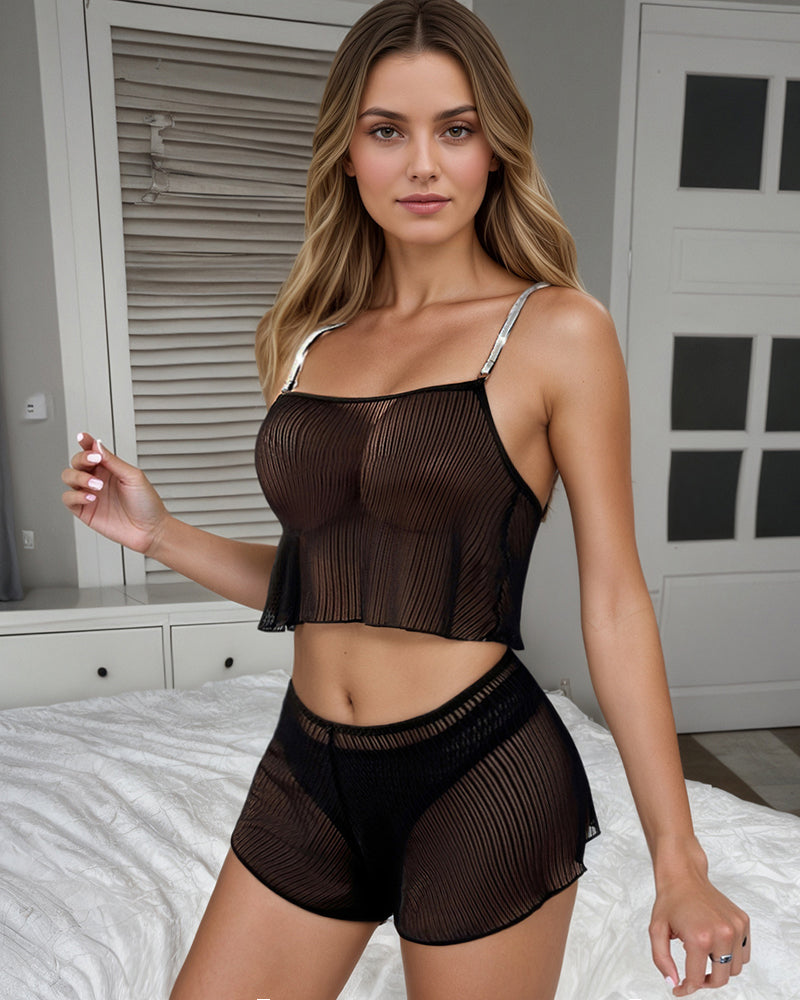
Opacity is related to weight but is not identical. Color, construction density, stretch, and finishing affect how much a fabric reveals. Pale fabric may become more sheer under bright light or when stretched.
Unless verified specifications are published, do not assume an exact GSM or performance level. Look for close-ups, lining and sheerness notes, and reviews discussing coverage.

What Is the Difference Between Fabric Stretch and Recovery?
Stretch describes how far a fabric extends. Recovery describes how well it returns toward its original shape afterward. They matter together.
A fabric can feel very stretchy in the fitting room but still develop baggy knees, a loose neckline, or a relaxed waistband if its recovery is limited. A smaller amount of well-supported stretch may keep its shape better than a fabric that feels extremely elastic at first touch.
Elastane can contribute stretch and recovery, but its percentage cannot predict the result. Fabric structure, waistband and seam construction, repeated wear, and heat exposure also matter.
Look beyond the word “stretchy.” Check the stated stretch level, whether the cut is fitted or relaxed, and whether straps, elasticated waists, or side slits support movement. Use garment measurements and the size chart rather than sizing down solely because the fabric stretches.
How Do Fabric Finishes Affect Feel, and Which Performance Claims Can You Trust?
Finishing is what happens to fabric after it has been knitted or woven. It can change softness, surface texture, shine, hand feel, wrinkle behavior, or the way the fabric moves.
A brushed finish raises surface fibers for a cozier hand, while a smoothing or softening finish can create a silkier first touch. Washing, heat-setting, printing, and dyeing also influence the result. Some finishes become less noticeable with wear and laundering.
Treat performance claims carefully. Words such as “cooling,” “moisture-wicking,” “antibacterial,” or “hypoallergenic” should not be inferred from a fiber name or a smooth hand feel. Look for product-specific support that names the test method, the benefit measured, and the exact product or fabric tested. If that information is absent, read the language as a product description rather than a measured guarantee.
Finishes can also affect care. Heat that is acceptable for one cotton pajama may be unsuitable for a cotton blend with elastane, lace, printing, or a delicate surface treatment. The sewn-in care label for the finished garment should take priority over general advice for the fiber.
How Can You Evaluate Sleepwear When Product Details Are Limited?
Use this quick process before choosing a sleepwear fabric:
- Read the complete fiber line. Note every fiber and percentage. Check whether “bamboo” is identified more specifically, such as viscose or rayon derived from bamboo.
- Identify the construction. Look for jersey, rib knit, woven, satin, mesh, lace, or brushed. If it is not stated, examine close-up images.
- Evaluate weight, opacity, and fit together. Check whether the style is lined, sheer, fitted, relaxed, or layered, and whether stretching changes coverage.
- Check recovery and garment details. Look for adjustable straps, waistband construction, reinforced seams, and reviews about shape retention.
- Read care instructions before buying. Trims, prints, elastane, and finishes may matter more than the main fiber. See how to wash delicates by hand.
Use this table as a guide to the information that may help you compare sleepwear—not as a list of fields that every product page will contain. If a detail is not stated, treat it as unknown rather than inferring it from the product name or photos. Images can help confirm visible features such as lining, seams, and trim, but they cannot confirm fiber percentages, fabric weight, recovery, or tested performance.
| Factor | Why It Matters | What to Look For |
|---|---|---|
| Fiber content | Provides a starting point for feel, moisture behavior, strength, and care | Fiber names and percentages, when listed |
| Knit or weave | Influences structure, natural give, drape, and surface feel | Terms such as jersey, rib knit, woven, or satin |
| Weight and opacity | Affect coverage, drape, warmth, and how substantial the fabric feels | Weight information, lining details, or sheerness notes |
| Stretch and recovery | Affect freedom of movement and how well the garment keeps its shape | Elastane content, stated stretch level, fit notes, and garment measurements |
| Finishes and performance claims | Can change softness, shine, texture, and claimed functions | An explanation of the finish or claim, plus any product-specific test or certification |
| Garment construction | Influences fit, comfort, and durability at stress points | Seams, strap attachments, waistbands, lining, closures, and trim shown in descriptions or photos |
| Care instructions | Determine how the complete garment should be washed and dried | Seller-provided care information and the garment’s permanent care label |
For care, rely on seller-provided instructions and the garment’s permanent care label rather than general advice for the main fiber. The FTC Care Labeling Rule generally requires covered manufacturers and importers in the United States to provide regular care instructions and to have a reasonable basis for them.

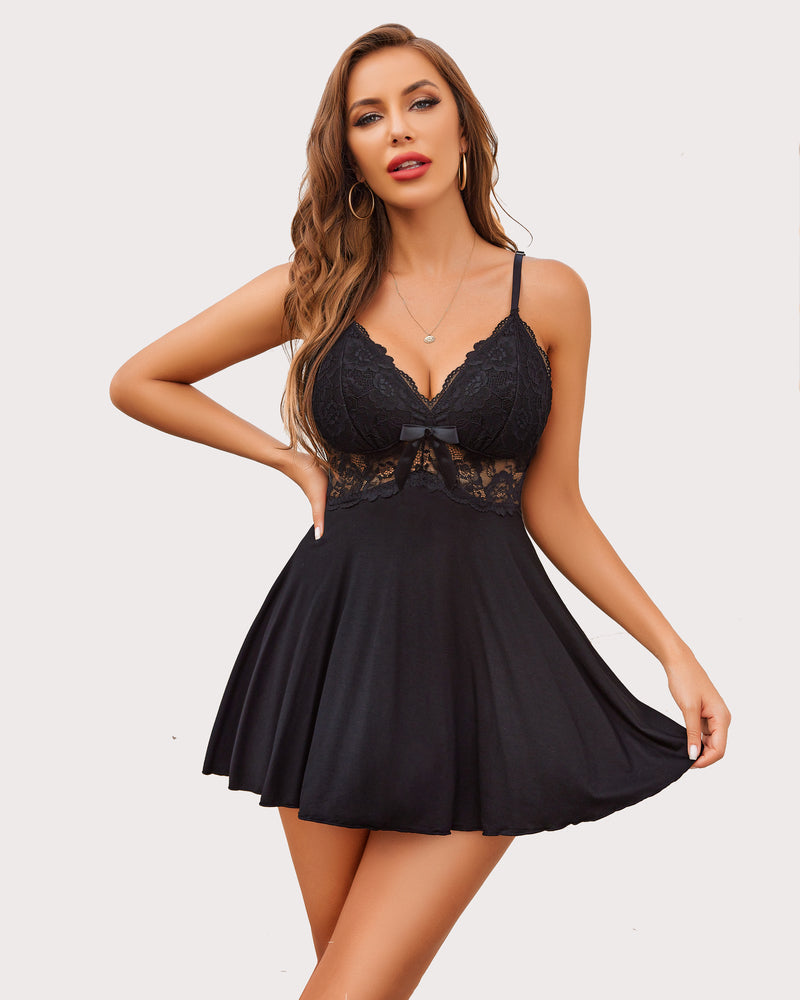
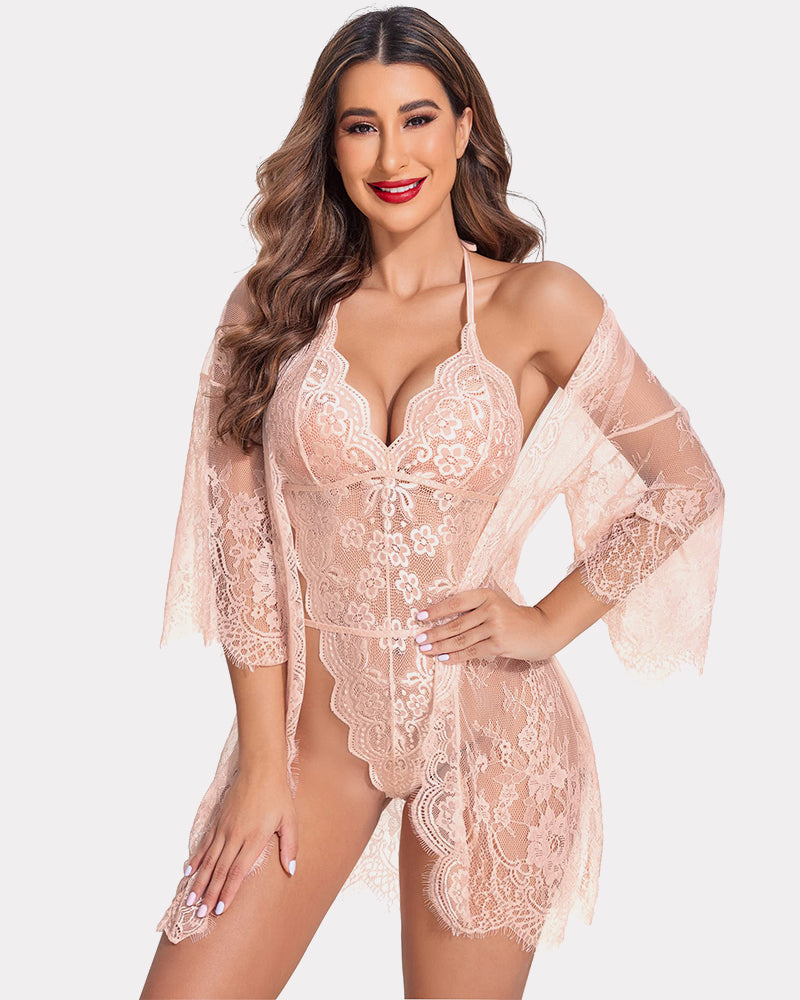
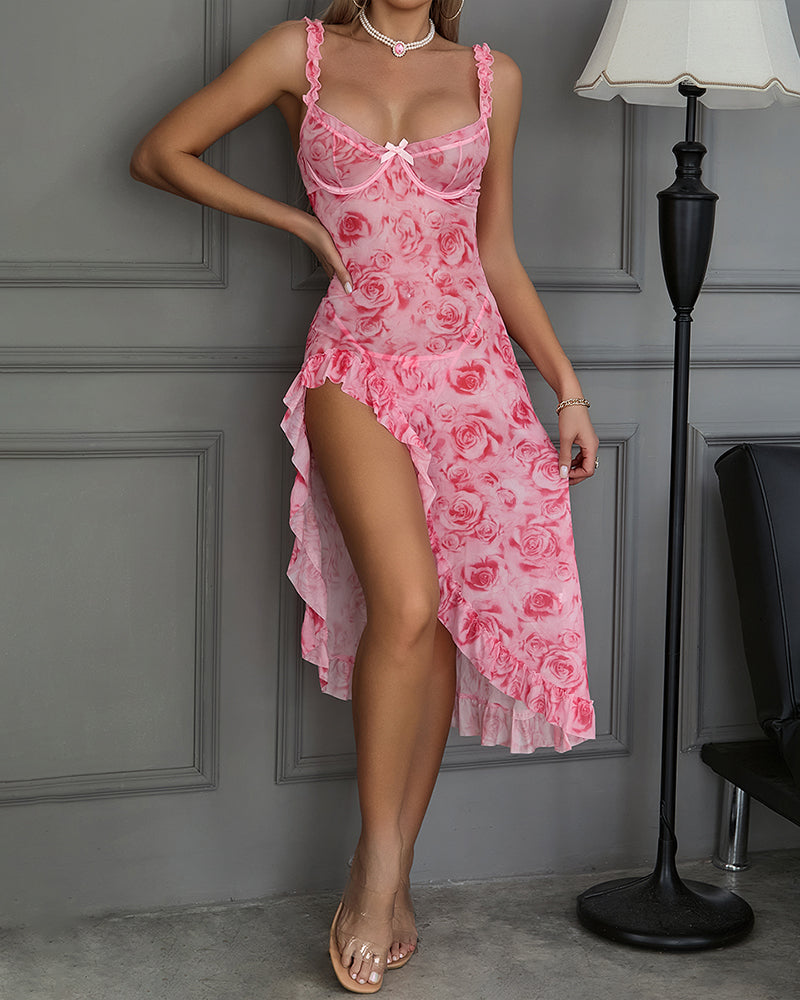
Once you know what to check, compare construction within the style you actually want: relaxed sleepwear, layerable robes, or fluid babydolls and slips.
Frequently Asked Questions
Why can two 95% modal pajama sets feel different?
The remaining fiber, yarn size, knit structure, fabric density, dyeing, finishing, and garment fit can all differ. Composition alone cannot tell you how fluid, cool, stretchy, or durable the finished fabric will feel.
Is a lighter sleepwear fabric always cooler?
No. A lighter fabric may feel less bulky, but perceived coolness also depends on construction density, airflow, fit, moisture, layers, and the sleeping environment. Look at the whole garment rather than weight alone.
Does more stretch mean better recovery?
Not necessarily. Stretch is extension; recovery is the return toward the original shape. Fiber blend, fabric structure, elastic quality, heat exposure, and repeated wear all affect recovery.
Is satin a fiber?
No. Satin is a weave structure that creates a smooth, lustrous surface. Check the fiber label to learn what the satin is made from and follow the care instructions for the finished garment.
Can I choose care instructions from the main fiber?
Use the garment label instead. A pajama set may combine a main fabric with elastane, lace, mesh, elastic, printing, or decorative trim. The most care-sensitive component can determine the safest washing and drying method.
The best sleepwear choice is not found in one fashionable fiber name. It comes from reading fiber, construction, weight, stretch, finish, fit, and care as one system. When those elements work together, pajamas are more likely to deliver the drape, comfort, coverage, and everyday performance you expect.
Conclusion
The fiber label gives you the ingredients; construction tells you how they behave. Compare the full composition, knit or weave, weight, opacity, stretch and recovery, finish, garment details, and care label. Then choose the balance of drape, coverage, comfort, and upkeep that fits how and where you sleep.


 Secure Checkout


