
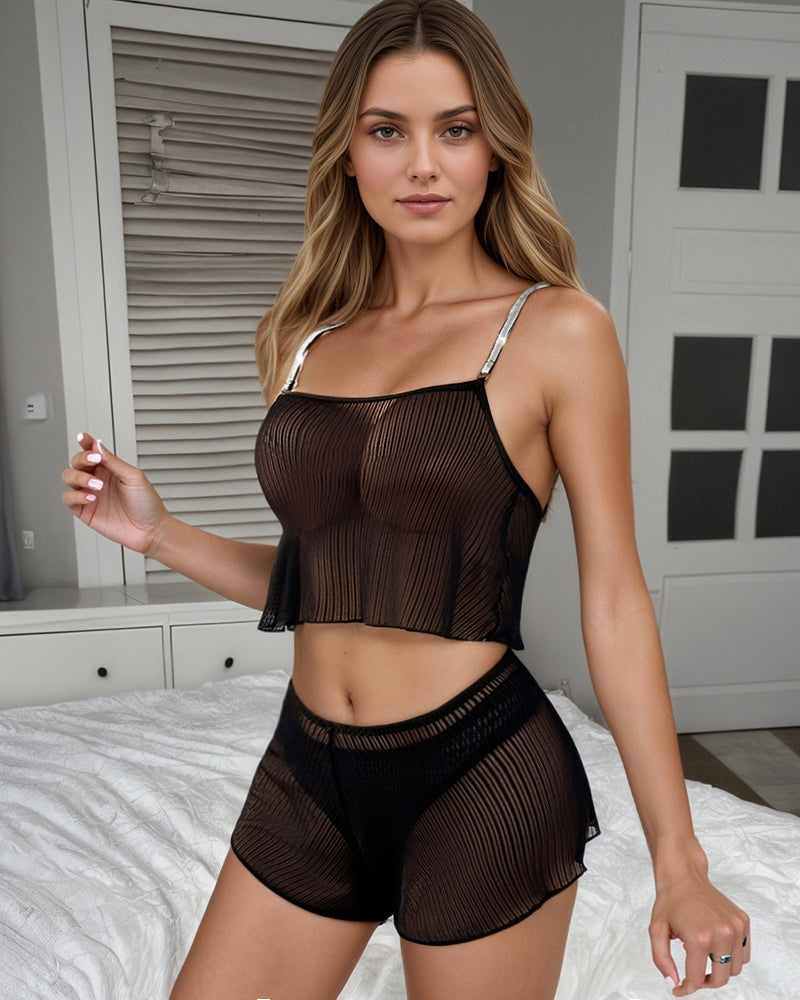
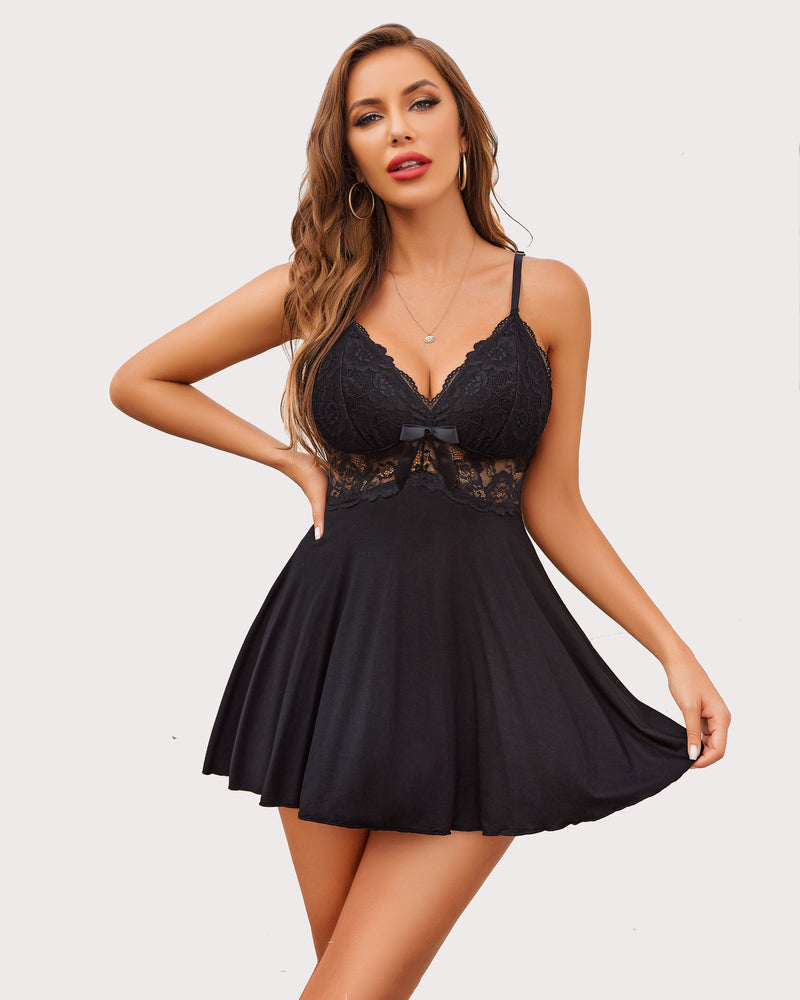
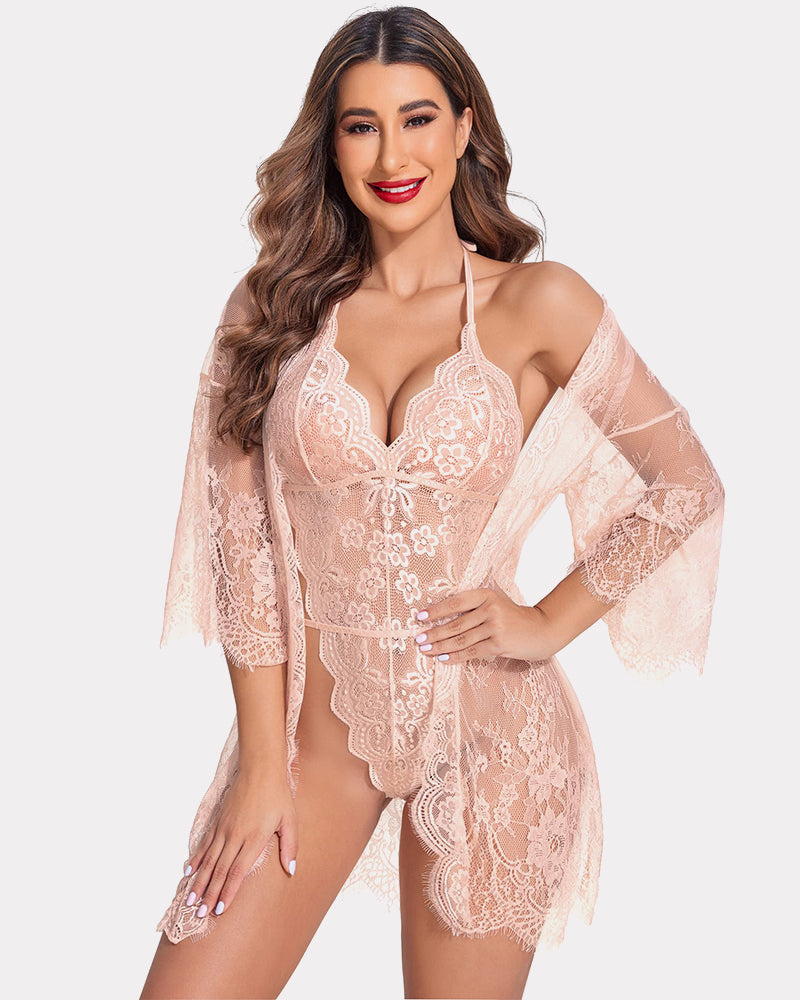
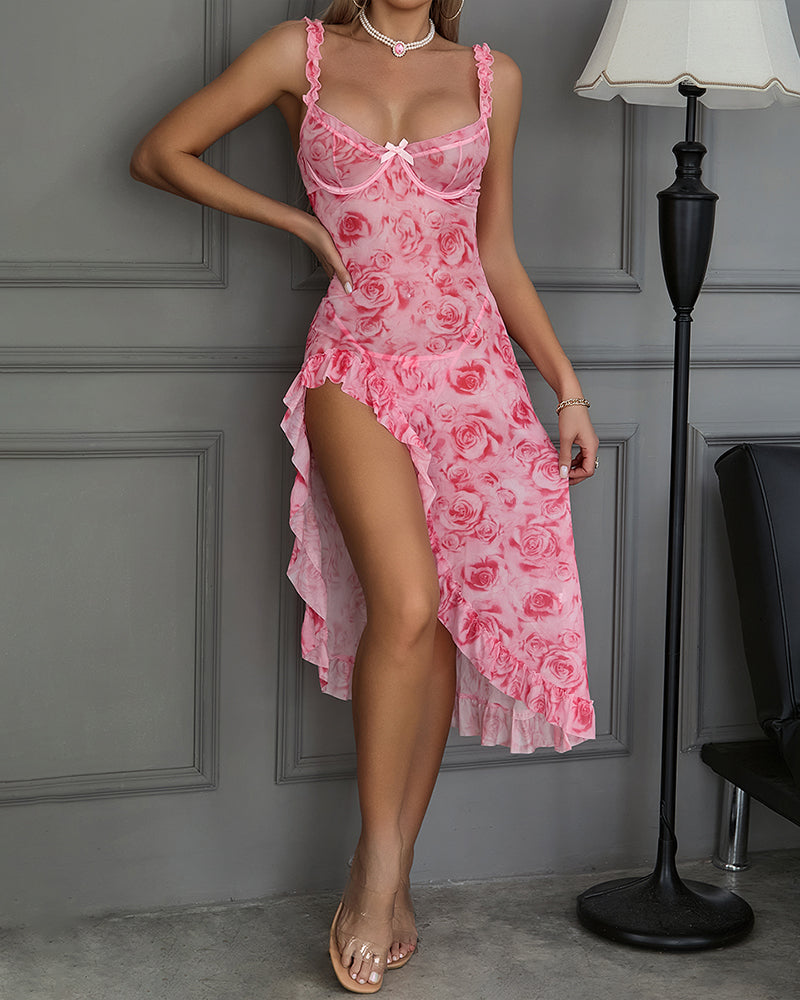


Women go braless more often in cultures that emphasize comfort and personal freedom, and less often where modesty norms and social judgment make it feel risky.
From Protest Symbol to Everyday Outfit
Modern braless trends grew from late-1960s feminist protests and later bra-free activism, where tossing a bra became shorthand for refusing to dress only to please others.
Over time, that protest energy moved into fashion: visible bralettes, sheer tops, and red-carpet moments all helped normalize going without heavy, structured bras.
Today, in many Western countries, being braless can mean anything from a political statement to “I’m just running to the grocery store in a sweatshirt.”
Not every bare nipple is a manifesto; sometimes it is simply about comfort, convenience, or whatever clean T-shirt was available.

Comfort, Cost, and the “Why Am I Doing This?” Moment
After years of fittings with clients, the biggest driver behind braless days is simple: comfort. Underwires dig, straps slip, and bands chafe—especially when they are the wrong size or worn for more than 10 hours.
Some women also realize that a bra does not magically prevent sagging and that their back feels fine on lighter days, so the “support at all costs” story starts to crack.
There is a money angle too. A small drawer of decent bras can easily cost a few hundred dollars, while going braless—or switching to inexpensive, soft bralettes—cuts that recurring bill. Articles on why many women “no longer wear bras” consistently highlight comfort, pain relief, and budget as key reasons to ditch rigid styles, especially after lockdowns relaxed dress codes in many countries.
Why It’s Easier in the US Than in Korea
Culture shapes how much judgment your chest receives. One study comparing Korean and American consumers found that U.S. participants used more positive words for bralessness—freedom, comfort, confidence—while many Korean women described it as breaking social norms.
In the United States, interest in bralessness often goes hand in hand with ideas of freedom and “I’m challenging outdated rules,” so going without a bra can feel exciting, even a bit rebellious.
In South Korea, bralessness is more tightly tied to feminism but not necessarily to everyday comfort or playfulness, and it is still widely seen as a social violation rather than a casual styling choice.
That is why you will see braless crop tops on city streets in some countries, while in others the same outfit is considered inappropriate outside private or nightlife spaces.

Feminism, Freedom, or Just “I’m Tired of Underwire”
Across countries, feminists are often quicker to ask, “Do I actually want to wear this?” A large survey of lingerie habits found that feminist-identifying women reported stronger comfort preferences and were more likely to remove bras when they could, even though they tended to buy similar products as non-feminists in one study.
In practice, they may still own push-up and T-shirt bras, but they are faster to unhook them once they are off the clock.
In more conservative cultures, bralessness can be read as “loud feminism” or attention-seeking, so many women quietly prioritize safety and modesty over comfort in public, then change into soft bralettes or nothing at home.
Meanwhile, in more liberal urban areas, a visible nipple ring under a tank can be seen as artsy, stylish, or simply normal.
How to Navigate Your Own Braless Comfort Zone
You do not have to move to another country to adjust how much bra you wear; instead, you can tweak your options to match your lifestyle and local norms.
I have helped clients in very different cultures land on a mix that feels freeing but still safe for their reality.
Quick ways to experiment:
- Swap stiff underwire bras for soft, stretchy bralettes under casual outfits.
- Try nipple covers under thin tops when you want a braless look with less attention.
- Reserve more supportive sports or wired bras for high-impact days and workouts only.
- For dates or romantic nights, explore unlined lace bralettes that feel sexy but not suffocating.
- At home, give yourself regular “no-bra hours” and notice how your body actually feels.
In the end, women in some countries go braless more often simply because their culture allows it without much shame, safety worry, or career risk. Wherever you live, the goal is the same: your body, your rules, backed by enough comfort and confidence that you can walk out the door without constantly wondering who is staring.


 Secure Checkout


