
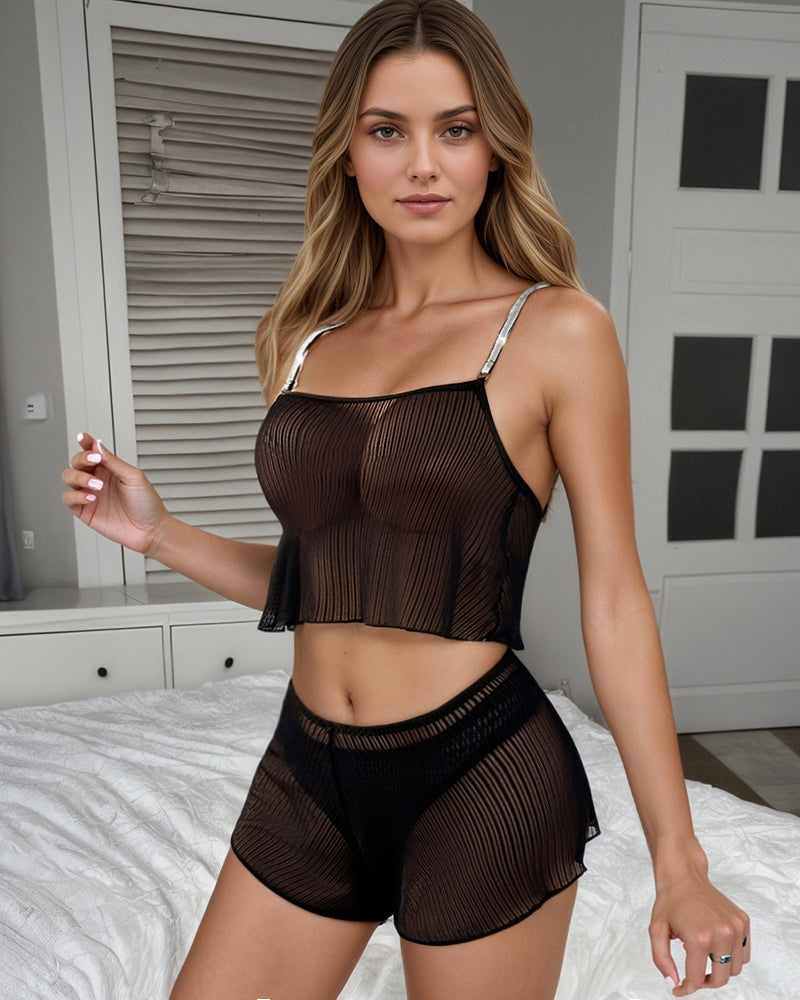
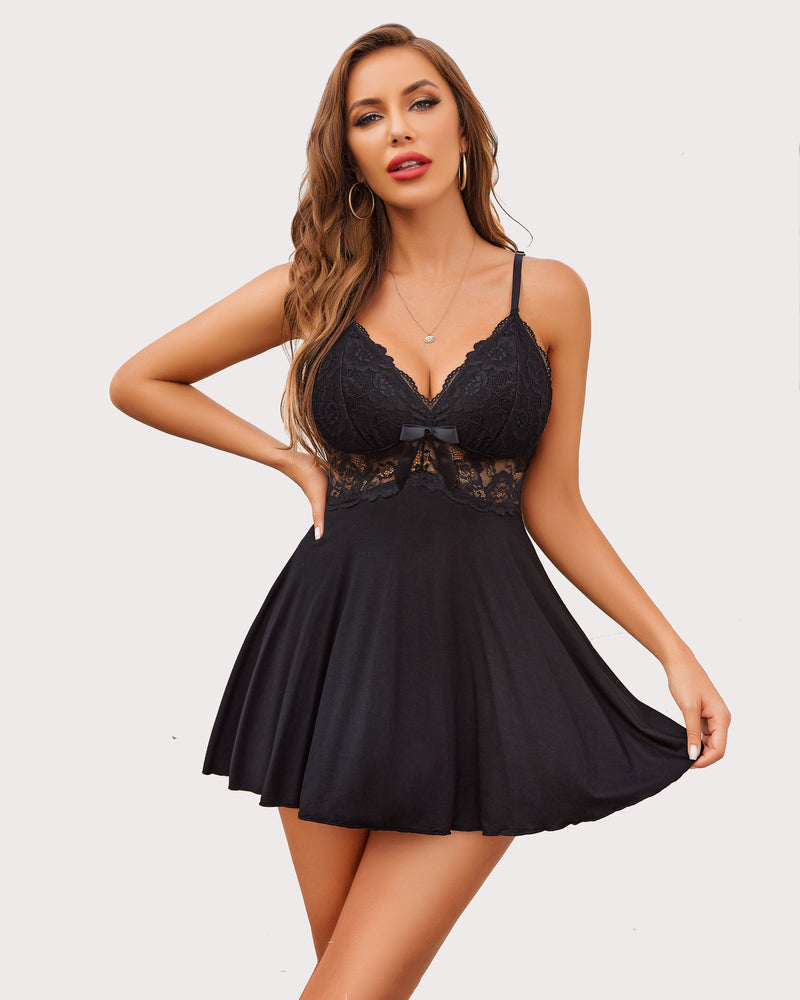
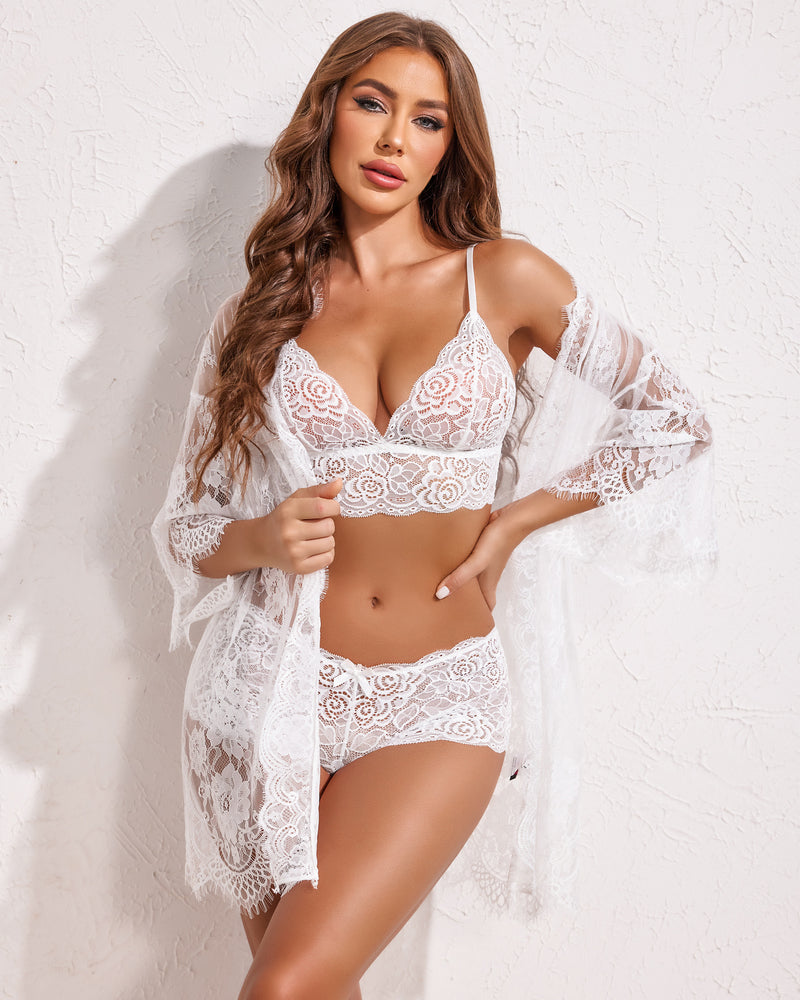


A well-fitted racerback bra keeps straps from slipping on sloping shoulders by redirecting the strap path and letting the band carry most of the weight.
Do your bra straps slide down your arms five times before you finish your coffee, no matter how tight you pull them? When people with narrow or sloping shoulders switch from wide-set straps to racerback styles with centered straps and a firm band, the constant strap-tugging often disappears and shoulder tension eases without sacrificing style. This guide explains how this strap shape rescues sloping shoulders, what can still go wrong, and how to choose a racerback that feels like freedom instead of a wrestling match.
What’s Really Going On With Sloping Shoulders
Sloping shoulders simply mean the line from your neck to your arm tilts downward instead of running straight across; they are common, normal, and not a diagnosis. The catch is that anything sitting near the outer edge of that slope, like standard bra straps, will slowly slide toward your upper arm, which is why your “cute” T-shirt bra turns into a fidget toy by lunchtime. Fit specialists who see a lot of this shoulder shape point out that people with sloping or narrow shoulders are far more likely to fight slipping straps and wandering necklines than people with broad, squared shoulders, so the problem is geometry, not your body.
When straps sit wide on the shoulder and angle outward, every bit of movement nudges them closer to the edge. Fit issues only make it worse: if the band is too loose or the cups too small, the straps are forced to overcompensate, dig in, and then still slide off. Comfort-focused fit guides consistently note that the band should carry most of the weight while the straps mainly stabilize, and that incorrect size or worn-out elastic is a major driver of shoulder pain and even tingling or headaches. Once you understand that, it makes sense that a smarter strap path, not just tighter straps, is the real fix.

How Racerback Design Reroutes Strap Drama
Racerback bras pull the straps into a Y, T, or X shape so they meet between your shoulder blades instead of hovering near the outer shoulder. That inward-angled path is what defines racerback bras and is exactly why they are such a relief for sloping shoulders. Because the straps sit closer to the neck, they have to climb “uphill” to fall off, which is much harder than sliding straight off the edge of your shoulder.
For many wearers, that centered strap path does more than just stay put. When combined with a supportive band, racerback styles can distribute breast weight more evenly across the upper back and shoulders, creating a gentle lifting effect and even a subtle nudge toward a more upright posture. Everyday racerbacks and sports bras use this geometry to add stability, especially for fuller busts, and some wearers notice reduced back and shoulder strain once weight is shared between the band and anchored straps instead of hanging from narrow shoulder points.
Importantly for sloping shoulders, multiple fit-focused guides recommend racerbacks or T-backs as a go-to solution when straps will not stay put. Guides on bras for sloping shoulders highlight that bringing the straps in toward the neck and using leotard or T-back shapes dramatically cuts down strap slippage, particularly when combined with wide, comfortable straps and well-sized cups. When you are tired of playing “catch the strap,” that strap path change is the real hero.
Why Sloping Shoulders Love This Strap Shape
If you put a traditional bra and a racerback on a body with sloping shoulders, the difference shows up before you even leave the bedroom. The standard bra’s straps sit wide, close to the outer shoulder, and begin inching off as soon as you walk or lift your arms. The racerback’s straps, pulled into the center of your back, stay pinned closer to the neck, so every shrug, wave, or hair flip pushes them into your body instead of off the edge. That is why sloping-shoulder guides rank racerbacks high on the recommendation list.
Racerbacks are also extremely outfit-friendly. Collections from major lingerie brands showcase racerback and front-close racerback styles precisely because they vanish under tank tops, halter dresses, and racerback tees while keeping the straps from peeking out of those tricky armholes. Curvy and extended-size racerback bralettes, along with more structured underwire versions, are built to combine that discreet strap path with enough support for everyday wear, date-night sundresses, and even some special-occasion gowns.
For many people, the support feels different in a racerback. Several guides describe racerbacks as more supportive or lifting because the straps help pull the bust inward and up, but stylists also point out that racerbacks are not automatically stronger than a well-made traditional bra. The truth in the middle is this: on sloping shoulders, a racerback often feels more supportive simply because the straps finally stay where they belong and can share the load with the band, instead of repeatedly sliding off and leaving the band to fight alone.
The Details That Actually Make or Break Comfort
The racerback shape is powerful, but it is not magic. Comfort still comes down to details, especially if your shoulders slope, you have a fuller bust, or you deal with shoulder or neck pain.
One big comfort lever is strap width. Comfort-focused bra guides stress that wider, padded straps increase surface area on the shoulder and make it harder for straps to dig in or leave red grooves. For sloping shoulders, brands that specialize in this shape highlight combinations like wide straps, leotard or T-backs, and high-apex cups that rise higher on the bust and meet the strap sooner; this fuller-coverage triangle helps keep straps stable and more centrally placed. In other words, a narrow, razor-like racerback strap may stay put but still hurt, while a wider comfort strap in a racerback shape both stays put and feels gentle.

The band is the next non-negotiable. Multiple comfort and arthritis-focused guides repeat the same rule: the band should provide most of the support, and when it is too loose or too tight, your shoulders pay the price. Sports bras with racerback designs show this clearly. Supportive options use broad, firm bands and structured cups to hold weight close to the body; when that is right, the racerback straps only stabilize, which is ideal for sensitive or sloping shoulders. When the band is wrong, even a racerback can dig, chafe, or feel like a straightjacket.
Finally, adjustability and construction matter more than marketing. Convertible bras with J-hooks that turn regular straps into a racerback, as well as front-close racerbacks from comfort-focused lines, give you flexibility to bring straps inward while fine-tuning length and tension. A cotton-rich T-back with wide straps and front fastening shows how a soft, centered strap path plus easy closure can be a win for both strap security and stiff shoulders or arthritis.
Pros and Cons of Racerbacks for Sloping Shoulders
Here is how the racerback design stacks up when your shoulders slope, without the marketing gloss.
Racerback advantage |
What it does for sloping shoulders |
When it can backfire |
Centered straps that form a Y, T, or X |
Keeps straps away from the shoulder edge so they stop sliding down your arms |
Very thin straps can still dig near the neck if the band or size is wrong |
Weight spread across upper back |
Can feel more lifting and secure, especially for fuller busts |
If the band is too tight, it may feel like a posture brace and cause fatigue |
Works under sleeveless and racerback tops |
Lets you wear tanks and cut-out dresses without visible straps |
Higher back coverage may show under low-back or backless outfits |
Front-closure or pullover options |
Helpful if reaching behind your back hurts or is impossible |
Over-the-head styles can be impossible during shoulder flare-ups or post-surgery |
Those “backfire” moments are not deal breakers; they are signposts. If a racerback feels like it is clamping your ribs, posture-focused sports bra testers warn that this kind of ribcage restriction can limit breathing and even increase strain elsewhere instead of improving posture. If you have shoulder arthritis or frozen shoulder, adaptive and post-surgical bra testers strongly favor front-closure or step-in designs with wide straps and soft fabrics, because classic over-the-head sports racerbacks can be painful to get on and off.
How to Choose a Shoulder-Saving Racerback That Actually Fits Your Life
Step 1: Fix Fit Before You Blame Your Shoulders
Strap pain is almost always a fit red flag, not a “your body is wrong” issue. Comfort and fit guides are blunt about this: if your band is doing its job and your cup size is accurate, the straps should not be taking all the weight or digging into the muscle that runs from your neck to your shoulder. Sloping shoulders do make slipping more likely, but a too-loose band, too-small cup, or exhausted elastic will sabotage even the best racerback. Getting remeasured, checking that the band is firm on the loosest hook, and making sure cups fully encase the breast tissue gives your racerback design a fair shot to shine.
Step 2: Match Racerback Style to Your Bust and Outfit
Supportive racerback collections from major lingerie brands show just how customizable this design can be for different bust sizes. Everyday wireless lace racerbacks and pullover bralettes lean into breathability and gentle support, often with extended and curvy ranges that add wider bands and more structured cuts for DD+ cups. Sports-style racerbacks add engineered knit zones, compression, and moisture-wicking fabrics to keep everything anchored during workouts, while still using that central strap path that sloping shoulders love. You can browse a wide range of constructions and sizes in curated racerback collections to see how many shapes this design comes in.
If your bust is fuller, look for racerbacks with substantial bands, underwire or well-engineered wireless support, and wide, preferably padded straps. Some high-apex full-cup bras use centrally placed straps and side panels to keep breasts forward and lifted while minimizing strap slip, and adding a T-back or racerback cut to that formula makes it even harder for straps to escape. If your frame is petite, racerbacks designed with shorter straps, shallower cups, and narrower bands keep everything proportionate and prevent the bra from overwhelming your torso.
For outfits, the racerback really earns its keep. Lace and strappy racerback bralettes can double as visible lingerie under low-cut armholes, turning what used to be accidental bra flash into an intentional style moment. Front-close T-shirt racerbacks with smooth cups disappear under clingy knits while hiding straps under racerback tanks. When you need open backs or very low-cut dresses where even a racerback would peek, convertible bras with J-hooks or more traditional wide-strap designs set close together offer a slip-resistant alternative without showing.
Step 3: Factor In Pain, Mobility, and Posture Hype
If your shoulders, neck, or hands are dealing with arthritis, frozen shoulder, or post-surgical recovery, how you get into the bra matters as much as what it looks like. First-person post-surgical reviews are clear that classic back-clasp or over-the-head sports bras were almost impossible to manage early on, while magnetic or easy front-closure styles with wide straps and very soft fabrics made daily dressing less painful and more manageable. Adaptive bra designers addressing frozen shoulder lean into step-in designs and front-adjustable straps so you can fasten everything in front of your body instead of reaching behind or above shoulder height.
Posture-brace and “posture sports bra” marketing deserves a side-eye too. A pelvic-floor physical therapist who tested several posture bras, including a shoulder-support bra, found that while some offered a sense of support for specific activities like running, wearing them all day often caused new soreness and ribcage restriction without meaningful posture changes. Their conclusion was simple: for everyday life, choose a comfortable, nonrestrictive bra and work on strength and movement, rather than expecting a bra to force your posture into perfection. Your racerback should feel like a cue and a hug, not a straightjacket.

Step 4: Small Accessories and Sustainability Touches
If you adore a specific compression or post-surgical bra but find the straps just a hair too short or tight on sore shoulders, accessories like shoulder strap extenders can add about 1 to 3 extra inches of length while keeping the hook-and-eye adjustability intact. Some companies sell shoulder strap extenders designed to work with compression bras and vests so you can customize fit without replacing the whole garment.
If you care about the planet as much as your shoulders, there is also room to be picky about materials. Some shoulder-support bras from large online retailers carry Global Recycled Standard certification and qualify for climate-focused labeling when they contain at least 50% certified recycled content, independently verified across the supply chain. Browsing shoulder-support bras that clearly state GRS certification and list a certification body and number is an easy way to let your lingerie budget vote for more responsible production while you shop for better shoulder comfort.
Quick FAQs
Will a racerback bra fix my posture?
No bra will single-handedly fix posture, but a well-fitted racerback can encourage a more upright stance by keeping straps secure and spreading weight more evenly so you are not hunching or shrugging to keep straps up. Posture-focused sports bra testing shows that relying on very tight “brace” styles all day can cause new discomfort, so think of your racerback as support plus a gentle reminder, not a medical device.
Are racerbacks always more supportive than regular bras?
Not always. Some guides and shoppers find racerbacks more supportive because the straps anchor in the center and work with the band to lift, which can feel especially good on fuller busts. Stylist-led roundups also remind us that racerbacks are not automatically stronger; their real advantages are hidden straps and stable strap placement for shapes like sloping shoulders. Construction and correct size matter more than the strap shape alone.
What if straps near my neck feel claustrophobic?
If anything near your neck makes you tense, opt for racerbacks with slightly wider-set, center-pull straps rather than extreme halter-like cuts. You can also try convertible bras with J-hooks that let you experiment with a softer, less dramatic racerback setting. Wide, cushioned straps and a firm, comfortable band will keep things stable without needing to drag the straps all the way toward your neck.
A racerback will not make your shoulders less sloped, and it does not need to. When you choose the right size, a supportive band, and that clever strap path that works with your shape instead of fighting it, the slipping stops, the digging eases, and you finally get to focus on the dress, the date, or the dance floor instead of chasing your straps all night.


 Secure Checkout


