

 11TH ANNIVERSARY


New pajamas alone will not cure insomnia, but the right sleepwear plus a consistent, soothing bedtime ritual can improve comfort, reduce night wakings, and make it easier to fall asleep.
You know those nights when you are exhausted, your eyes burn, but you are still tossing in a twisted old T-shirt and tight shorts that ride up every time you roll over. Again and again, once people swap that scratchy, clingy combo for soft, breathable pajamas and a simple nightly wind-down, they stop waking up drenched, overheated, and irritated at 2:00 AM. Here is how much of that is real body science, how much is reassuring placebo, and how to turn your pajamas into a sleep ritual that actually helps instead of just looking cute on Instagram.
What Really Changes When You Change Your Pajamas
Sleepwear is not just cute loungewear; it is part of your actual sleep environment, shaping how comfortable, cool, and relaxed you feel in bed. Thoughtful pajama design focuses on breathable fabrics, smooth seams, and non-digging waistbands because anything that overheats you or rubs your skin keeps your body in a low-level "fight mode" instead of deep rest. When your skin can breathe and your body can move without being squeezed, you are less likely to wake up from itching, pinching, or feeling like a stuffed sausage.
Breathable, moisture-wicking fabrics such as cotton, bamboo, Tencel, modal, merino wool, and silk help your body cool slightly at night, which is part of the natural process of drifting into deeper sleep. Several sleepwear specialists emphasize how much fiber choice matters. Diana Intimates explains that loose, relaxed fits with soft waistbands and minimal seams support thermoregulation and reduce micro-awakenings, while tight garments and heat-trapping synthetics can leave you sweaty and restless. Cotton and other plant-based fibers shine here because they absorb sweat, let heat escape, and feel gentle on skin, giving you a calmer "microclimate" around your body.
The science backs this up more than you might expect from something as simple as pajamas. A systematic review of nine experimental studies on sleepwear and bedding fibers found that under certain temperatures, fabrics like wool, linen, and functional blends modestly improved how quickly people fell asleep and how consolidated their sleep was compared with standard cotton. That review concluded that matching fiber properties to bedroom temperature and age can nudge sleep onset and deep stages in the right direction, even if it is not a magic bullet for everyone. The authors still urge caution: the effects are small but real.
Even tiny design tweaks matter. Minor irritants such as tight elastic waistbands, scratchy neck tags, or bulky seams can keep your nervous system slightly activated, preventing the "I forgot I am wearing clothes" feeling that good sleepwear should deliver. A feature on how pajamas affect sleep quality describes brands switching from sewn tags to printed labels and adding ventilated panels and gentle waistbands so the fabric feels almost invisible once you are in bed. Those changes aim to remove constant low-level irritation that chips away at deep, restorative sleep throughout the night. Designers interviewed about sleepwear describe the goal as making the pajamas disappear on your body.

Psychologically, what you wear to bed can shift your mood and self-image as much as your body temperature. Articles on the mental side of sleepwear note that soft, attractive pajamas can improve self-perception, provide a sense of security, and help you feel more at ease before you ever hit the pillow. When your sleepwear reflects your style and makes you feel good in your own skin, that confidence can lower stress and ease the transition away from daytime worries. One guide on sleepwear and mental health ties confidence-boosting pajamas to reduced stress and better emotional well-being at night. That connection between feeling attractive, feeling safe, and sleeping better is especially relevant if your insomnia is tangled up with anxiety about your body.
Here is how those shifts play out together.
Pajama switch |
What changes physically |
What changes mentally |
How big is the effect? |
Tight synthetic leggings and old tee -> loose cotton or modal set |
Less heat buildup, less sweat, fewer pressure points |
Feels like "off-duty" clothes, easier to relax |
Noticeable comfort boost; may reduce awakenings but will not cure severe insomnia alone |
Plain, worn-out sleep shirt -> soft matching set you actually love |
Fabric may be similar, but cut and seams are kinder to your skin |
Stronger association with winding down and self-care |
Often big mood shift; placebo and ritual power are doing work here |
Standard cotton PJs in a very warm bedroom -> lightweight merino wool |
Better moisture buffering and temperature stability on hot nights |
Feels more "engineered" for sleep, which can increase confidence in your setup |
Lab studies show older adults falling asleep many minutes faster; still not a stand-alone cure |
The Mind-Body Tag-Team: Ritual and Placebo
Changing into dedicated pajamas can act like a nightly "off switch" when it becomes a consistent cue that the day is done. Guides on sleepwear and sleep hygiene frame putting on pajamas as part of a sequence that signals your brain to move from alert to relaxed, especially when you are not wearing those pieces on the couch all day. Writers on how sleepwear affects sleep emphasize this shift from "day clothes" to "night clothes" as a simple but powerful cue.
This fits neatly into what sleep specialists recommend: small, repeatable pre-bed habits that teach your internal clock when it is time to sleep. Health systems highlight routines like dimming lights, stretching, and reading at roughly the same time every night to regulate your circadian rhythm, and pajamas can be one of those anchors. A sleep habits overview from a major healthcare provider stresses that consistency in bedtime and wind-down rituals matters more than perfection, which is exactly where a nightly pajama change can shine.
This is also where the placebo effect saunters in wearing a satin robe. In plain language, placebo power is your belief plus the context around a "treatment" helping your body deliver some of the benefits even if the treatment itself is simple. Sleepwear brands that position soft, comfy pajamas as an intentional act of self-care see that when people genuinely look forward to putting on those pieces, bedtime becomes less stressful and sleep often feels better even without major life changes. One cotton-focused brand notes that changing into soft, breathable sleepwear becomes a psychological cue for winding down that works well alongside mindfulness and other relaxation practices. Treating pajamas as an everyday ritual rather than an afterthought is how you harness that placebo in your favor.

So, Can New Pajamas Actually Cure Insomnia?
Here is the blunt truth: new pajamas cannot cure chronic insomnia, but they can remove several physical and psychological obstacles that keep you awake. Research summarizing nine controlled studies on sleepwear and bedding fibers finds that fabric type and temperature can modestly influence how fast people fall asleep, how fragmented their sleep is, and how comfortable they feel, yet those effects are context-dependent and not strong enough to count as a cure on their own. The systematic review authors underline that fiber is one piece of a much bigger sleep puzzle.
In a warm-bedroom trial of adults in their 50s and 60s, lightweight merino wool pajamas helped older participants fall asleep roughly 14 minutes faster and reduced nighttime fragmentation compared with cotton and polyester, even though the garments were similar in cut and thickness. That is a meaningful change when you are staring at the ceiling, but it came from a carefully controlled lab setup, not a random late-night shopping spree. In younger adults sleeping in cooler rooms around the low 60s °F, another lab study found wool sleepwear shaved a few minutes off the time it took to doze off compared with cotton, while total sleep time and deep sleep did not change dramatically. These are real but modest gains, not miracle transformations.
Taken together, the evidence says pajamas can support better sleep by managing temperature, moisture, and comfort, especially if you are overheating, shivering, or dealing with sensitive skin. They cannot untangle racing thoughts, dread about the next day, or a habit of doomscrolling until midnight. Those insomnia drivers live in your brain, your schedule, and sometimes your medical history, which is why experts emphasize daytime light exposure, caffeine timing, and screen limits alongside bedroom tweaks. When pajamas help, they are usually teaming up with these other habits, not acting solo.
There is also the marketer's dream to contend with. Many premium sleepwear lines lean hard on phrases like "best sleep ever" or "sleepwear that changes everything," and some highlight temperature-regulating technology without showing independent data. Brands selling ultra-soft sets and travel-friendly collections legitimately focus on breathability, stretch, and clever features, but even they do not claim to treat insomnia in clinical trials. A luxury loungewear line that advertises "the best sleep ever" talks mainly about softness and airflow, and a travel pajama collection touts four-way stretch and hidden pockets to keep you comfortable in fluctuating climates. The language around these collections sells comfort and vibe, not medical cures.
On top of that, some high-end sleepwear pieces come with strict return policies, including final sale terms that mean no returns, no exchanges, and no warranty if the set does not work for your sleep. One women's pajama collection clearly labels certain styles as final sale, making you assume all the risk if the fabric turns out too hot or the fit distracts you all night. Before you put insomnia-level pressure on a pricey pajama set, it is worth noticing these policies and remembering that you can experiment with more affordable cotton or modal options first.

Paying attention to those final-sale labels on premium pajamas protects both your sleep and your wallet.
If you regularly lie awake for long stretches most nights despite wearing comfortable pajamas, keeping your bedroom reasonably cool, and following a simple bedtime ritual, that is a sign to bring in professional help rather than just another shopping cart. Cognitive strategies, stress management, and sometimes medical evaluation will move the needle far beyond what even the softest fabric can do.
How To Turn Pajamas Into a Sleep Ritual That Actually Helps
Step One: Choose Fabrics and Fits That Love Your Body Back
Start by picking fabrics that work with your body instead of against it. Sleepwear experts recommend breathable, moisture-wicking materials such as cotton, bamboo, Tencel, modal, merino wool, and silk because they let heat escape, absorb sweat, and reduce friction that irritates skin. One brand that focuses on everyday sleep sets highlights loose, relaxed cuts and mid-priced modal–Tencel blends as an easy way to improve sleep without overspending, arguing that tight, synthetic pieces raise your risk of overheating and fragmented sleep. Their guidance on soft, breathable sleepwear lines up with broader recommendations to avoid heat-trapping synthetics if you struggle with night sweats.
Design details are just as important as fiber. Features like tagless necklines, flat seams, soft or non-constricting waistbands, and slightly relaxed cuts allow you to move freely without feeling squeezed or scratched. A piece on why your pajamas might be sabotaging your sleep describes switching from sewn-on tags to printed labels and using ventilated panels so sleepers are barely aware of their pajamas once they are in bed. Those tiny tweaks in construction are exactly what make a set feel "invisible" at 3:00 AM instead of waking you up every time you roll over.
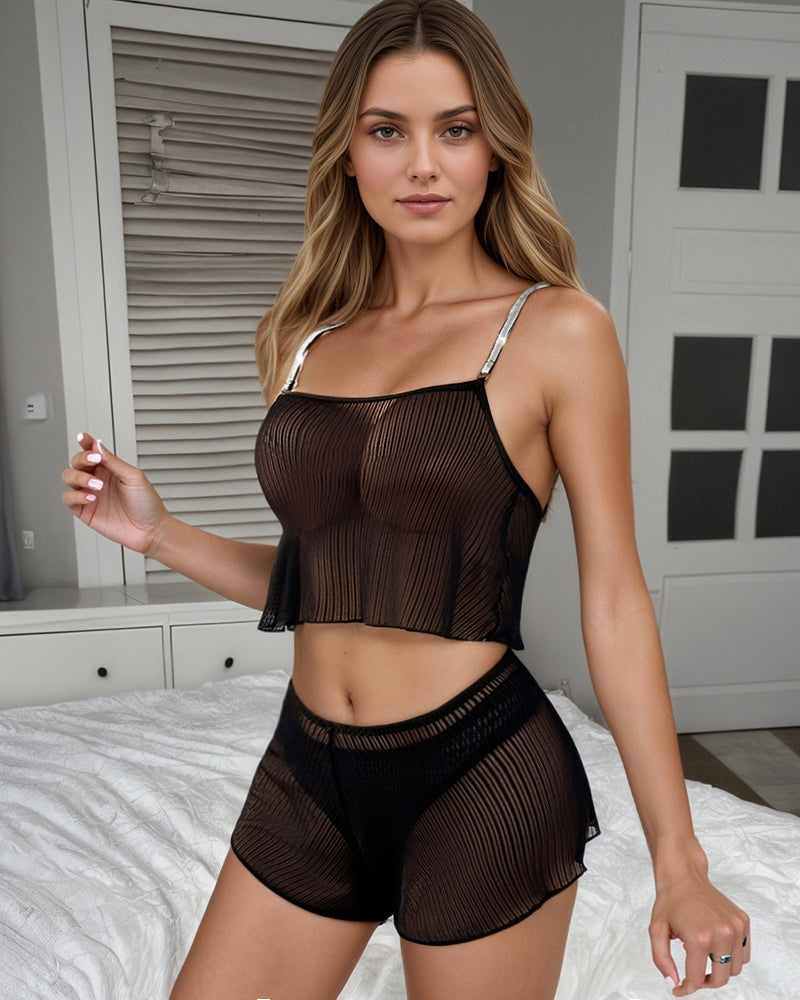
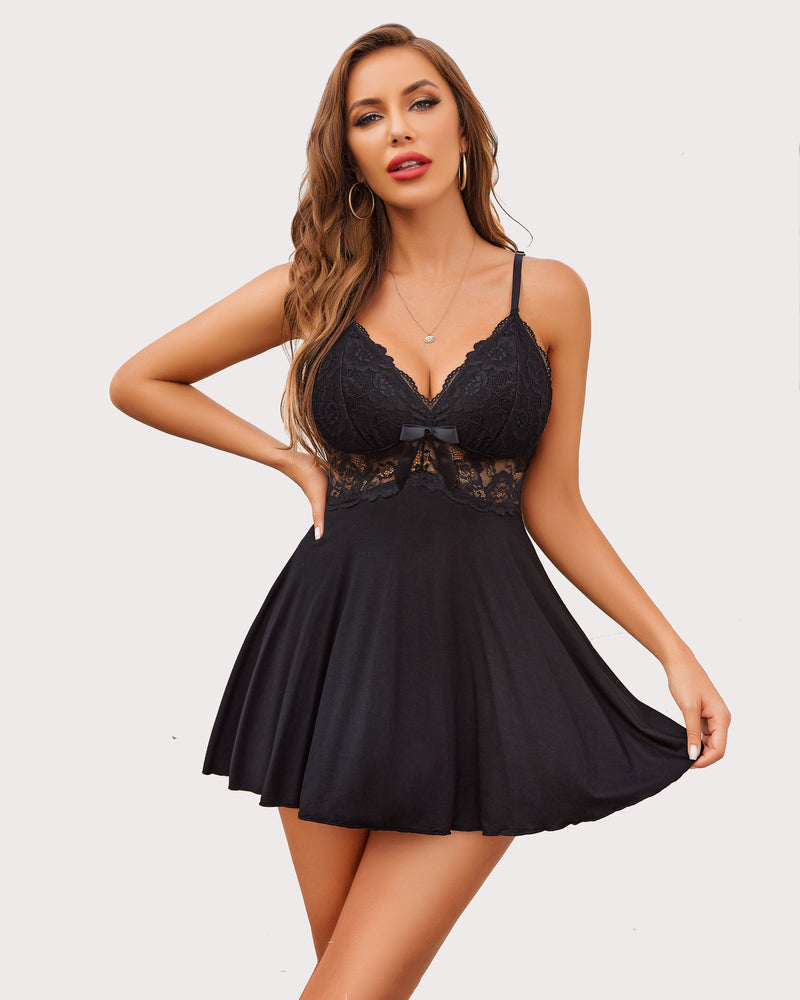
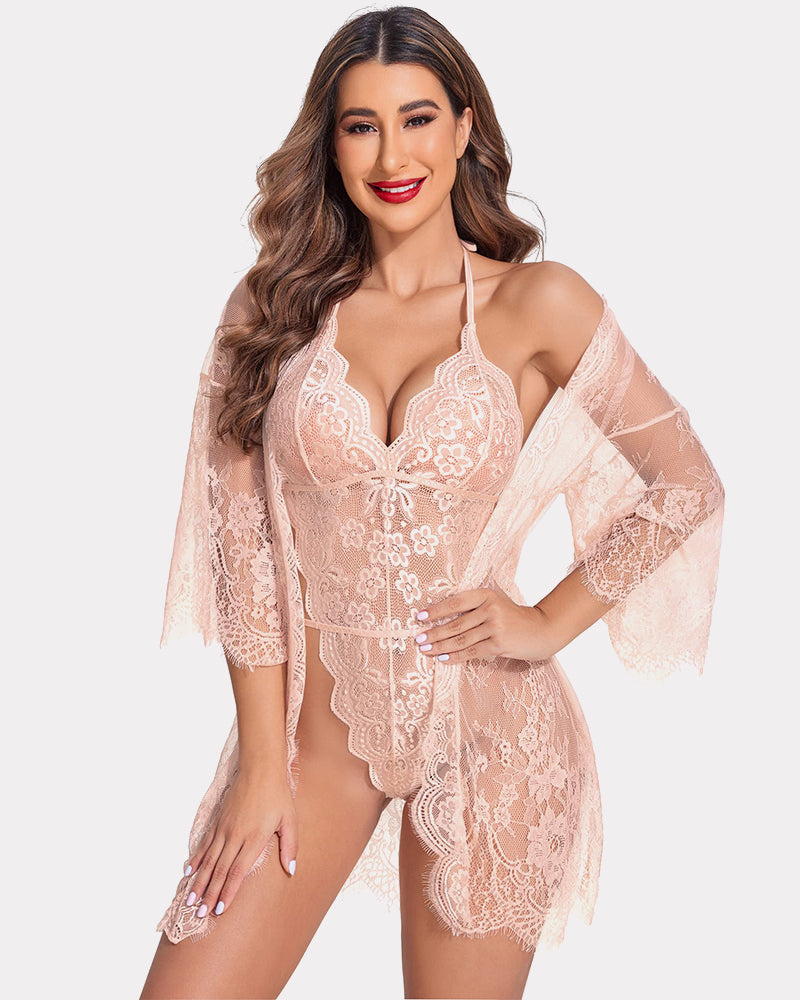
Once comfort is covered, you get to have fun with style and sensuality. Articles on the psychology of sleepwear emphasize that wearing pieces you find attractive and aligned with your personal style can boost self-esteem and make bedtime feel like an indulgent ritual instead of a chore. A hands-on reviewer who tested almost every major silk pajama brand describes one washable silk short set as so light and soft it feels like silk floating on her body, which is the kind of sensory pleasure that can turn your nighttime routine into something you actually crave. That experience of luxurious yet wearable silk shows you can absolutely combine romance and practicality: think soft bralettes instead of underwire cages, relaxed shorts instead of digging shapewear, and fabrics that glide over your curves.
Speaking of bras and shapewear, there is no need to "earn" your sleep by being trussed up all night. A sleepwear and hygiene guide explicitly cautions against sleeping in a bra, noting that tight bands and underwires can restrict blood flow, stress the chest, irritate skin, and even raise infection risk in humid conditions. It also argues that day clothes are often too tight and not breathable enough for healthy sleep, urging people to change into loose nightwear instead. Making the switch from daywear and bras to soft, loose sleepwear at night is a body-loving choice, not a sign of "letting yourself go."
Step Two: Build a Simple, Repeatable Pajama Ritual
Once you have pajamas that feel good, the next move is turning the act of changing into them into a predictable ritual. Sleep clinicians and wellness writers alike recommend going to bed and waking up at about the same time every day, and they point to simple sequences—dim the lights, put your cell phone away, wash up, put on sleepwear, stretch or read—as highly effective. One hospital system suggests that just 10 to 15 minutes of a consistent pre-sleep routine can prime your body to shift from wakefulness to rest, making it easier to fall asleep even before you overhaul anything else. Treating "pajamas on" as the first step of that routine is an easy win.
The key is consistency, not drama. Sleepwear and lifestyle brands that talk about pajamas as part of sleep hygiene repeatedly underline that using a clean, dedicated set only for bedtime strengthens your brain's association between that clothing and rest. One cotton-focused brand notes that people sleep better when their attire is comfortable and reserved for nighttime, and that changing into soft sleepwear becomes a "time to unwind" cue in itself. Wearing the same comfy pajamas only for sleep rather than all-day lounging helps your brain know exactly what is supposed to happen after the waistband goes on.
Step Three: Use Placebo Power Without Letting It Boss You Around
It is absolutely fine, even smart, to let a little placebo magic work for you. When you tell yourself, "This soft set is what I wear when I get good sleep," and you consistently pair it with lower lights and fewer screens, your expectations and your environment line up in your favor. Brands that frame comfortable, attractive sleepwear as self-care report that people start to look forward to bedtime more, feel calmer about turning in, and enjoy a greater sense of well-being at night when they upgrade their pajamas and ritual together. Using pajamas as a small but reliable nightly treat is a legitimate way to tap into that mind-body feedback loop.
The trap is letting that ritual become a superstition. If you catch yourself thinking, "I cannot sleep unless this exact set is clean," you have turned a helpful cue into a source of pressure, which is the last thing an insomniac needs. The antidote is flexibility: keep two or three sleep-friendly sets you like, rotate them, and remind yourself that what really matters is the combination of cool room, comfortable pajamas, and consistent ritual, not one specific garment. Sleep is built from a handful of small, steady habits, not one heroic pair of pants.
FAQ
Is sleeping naked better than wearing pajamas for insomnia?
Sleeping nude can reduce overheating if your sleepwear is currently too warm, but it also removes the hygiene barrier pajamas provide between your body and your sheets and can leave sensitive areas less protected. A sleepwear hygiene guide suggests that lightweight, breathable pajamas often strike the best balance: they help regulate temperature, minimize skin contact with sweat and microbes in bedding, and still feel free and non-restrictive. Reassessing what you wear to bed is more useful than going strictly "all or nothing."
Should you sleep in a bra or shapewear for support?
For most people, no. Guidance on sleepwear and breast health warns that sleeping in tight bras or shapewear does not keep breasts firmer and can instead restrict circulation, make breathing harder, cause underwire irritation, increase fungal infection risk in humid climates, and contribute to discomfort that disrupts sleep. Swapping into a soft shelf bra or bralette at most—and going completely braless if you can—is usually kinder to your body and your rest. Choosing loose nightwear over restrictive undergarments keeps the focus on relaxation, not containment.

When you strip it down, changing into new pajamas will not cure insomnia, but the right pieces can absolutely become the uniform of your best sleep habits: cool room, calm mind, comfortable body, and a little bit of bedtime glamour. Treat your sleepwear as a tool, not a miracle, and let it support a ritual where you feel secure, desired, and deeply ready to drift off.


 Secure Checkout


