
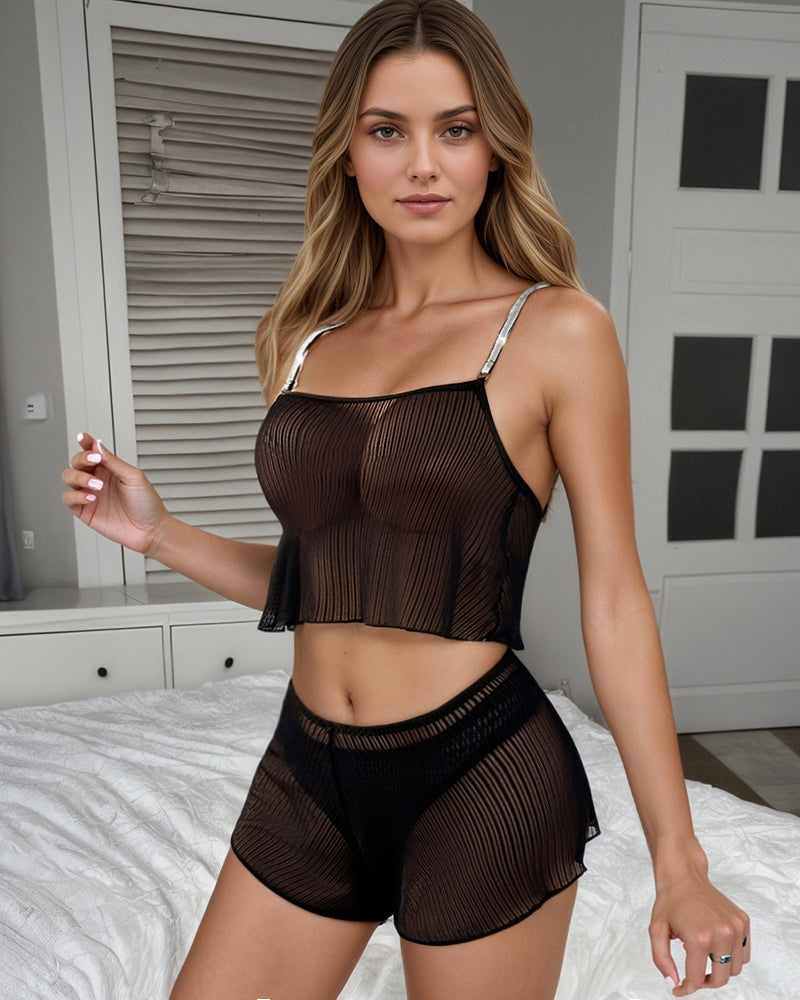
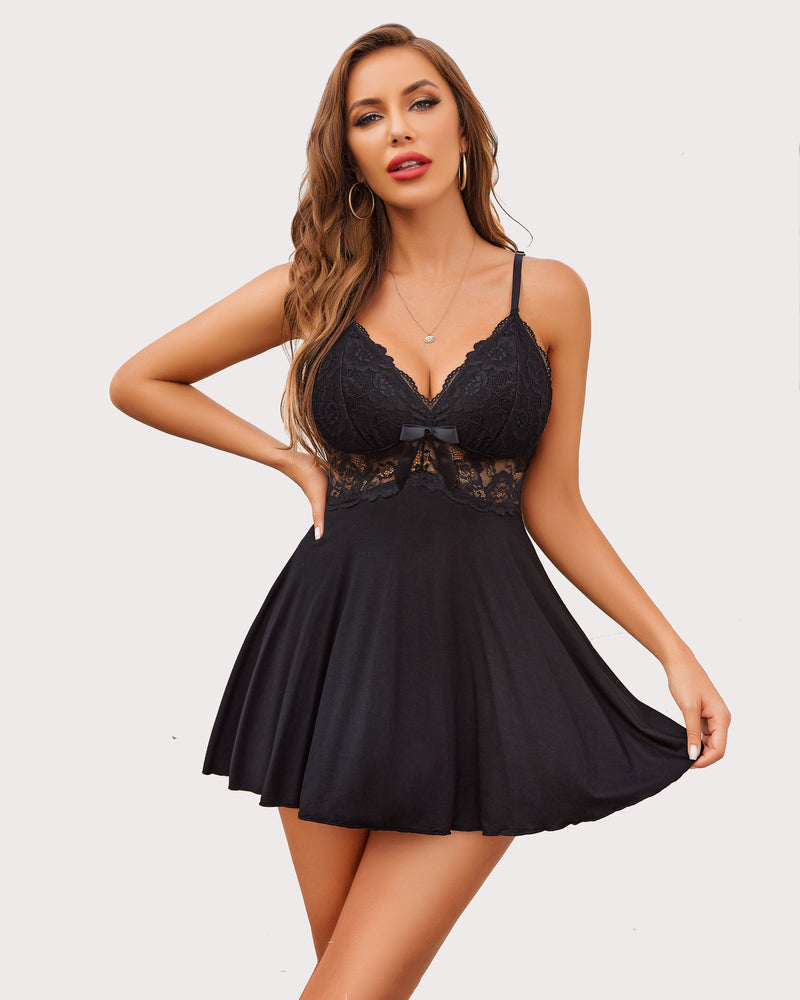
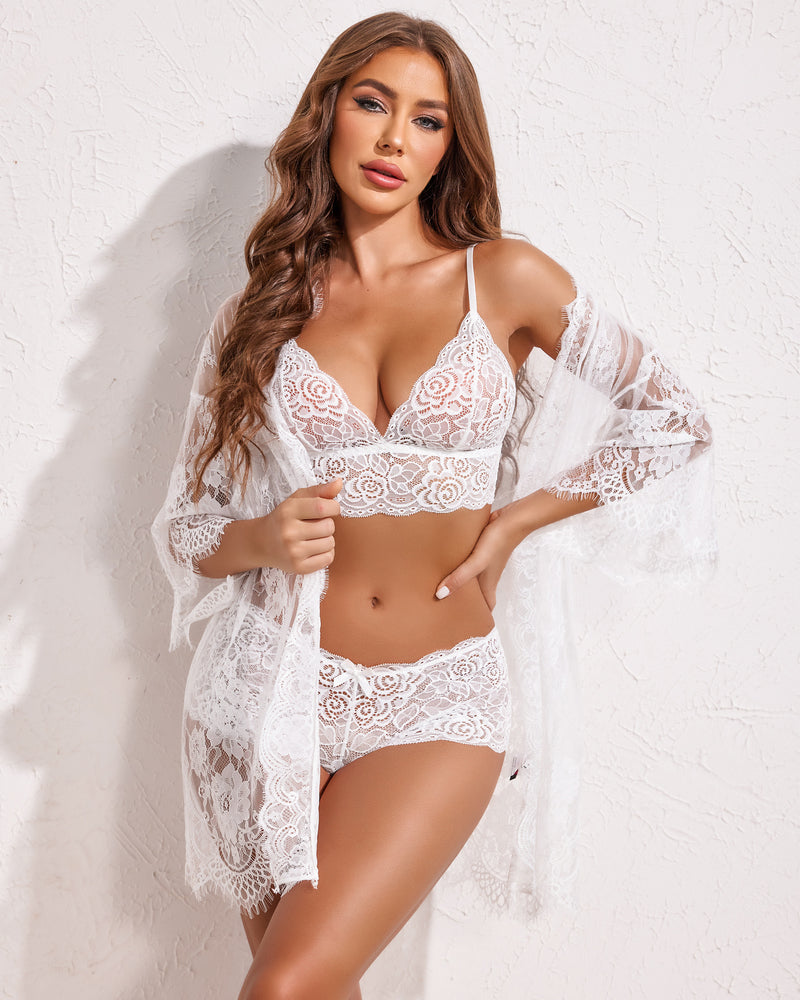


High-cut lingerie and swimwear can make curvy hips look longer, sleeker, and more balanced without hiding or shrinking your shape.
Ever pulled on a “safe” low-rise brief, glanced in the mirror, and thought, Why do my hips look wider than they actually are? After countless fittings on curvy bodies, the same pattern keeps showing up: when the leg line cuts higher, the silhouette almost always reads leaner and longer than a straight line slicing right across the widest part of the hip. You’re about to get a no-nonsense breakdown of why that happens, how to pick a high-cut style that actually feels good, and when to reach for it—whether you’re running errands or getting ready for a very up-close-and-personal night.
What “High Cut” Really Means on Curvy Hips
High cut is about the leg opening, not just the waist. Instead of the leg hole hugging low and straight across your upper thigh, a high-cut brief, thong, or bodysuit curves up and into the hip so more upper thigh shows and the fabric forms a diagonal. On curvy hips—where your hips are noticeably fuller than your waist and often your shoulders—this leg line placement matters a lot for where the eye lands.
Styling advice for curvy silhouettes keeps coming back to the same idea: your shape looks its best when you highlight the waist and let fabric skim, not cling, over the fullest part of your hips and thighs. Designers who specialize in curves repeatedly recommend high-waisted, body-following pieces because they trace your natural lines instead of chopping them into blocks. A high-cut leg takes that same “follow the curve” logic and applies it to where your panties or swimsuit meet your thigh.
Think of it this way: curvy bodies already have a gorgeous hourglass built in. High-cut designs use seams and openings to echo that natural shape instead of fighting it.
The Visual Trick: Why a Higher Leg Line Looks Slimmer
High cut works because it changes the geometry your eye is reading. When the leg opening sits low and straight—right across the fullest part of your hip—it acts like a bold underline on your widest point. When that opening scoops upward, it removes that hard horizontal line and replaces it with diagonals that pull the gaze up and down instead of straight across.
Curvy style guides for pants and skirts use the same visual principle. Extension sewing manuals on pants fit explain that vertical or gently slanted lines lengthen the body, while wide horizontal lines and extra bulk at the hip make that area look larger and boxier, and Those guides also show how smooth drape over the hip creates a longer, leaner look. Translate that to lingerie: a high-cut opening lets the fabric fall in a continuous, smoother curve from waist to thigh without a bunch of horizontal wrinkling.
You can test this in your own bedroom without any fashion degree. Stand in front of a full-length mirror in a low-rise brief that cuts straight across the top of your thigh. Notice how close the leg elastic is to the widest part of your hip. Then swap into a high-cut pair in a similar fabric and color. From the front and three-quarter view, the leg line now slices upward, the thigh looks longer, and your hip reads more like part of a long curve than a separate block sticking out.
Curvy-hip styling pieces also consistently push toward elongating the leg and defining the waist instead of hiding the lower body. Advice on dressing curvy hips focuses on using longer lines and higher rises to create that effect. High-cut designs are just the lingerie version of that same trick.

Fit First: High Cut Only Works When It Actually Fits
Here’s the honest part nobody wants to hear: a high-cut brief that is two sizes too small will not magically look slimming; it will just dig in higher up. Fit matters more than the number on the tag. Plus-size stylists point out that the same person can span several nominal sizes in different brands and still have only one right fit on their body, and that the smart move is to judge the garment, not the label. Style coaches who work with curvy clients hammer this point repeatedly.
For underwear, your key measurement is the fullest part of your hip, not your waist. Sewing and pattern guides recommend choosing pant sizes by that full-hip measurement—usually around 8 or 9 inches below your natural waist—because hip fit is harder to alter than the waistband. Those same guides lay out hip-first sizing as the most reliable way to get a smooth fit through the seat. Underwear isn’t any different. If your hips measure, say, 46 inches at their fullest point, choose the size whose hip range includes that number, even if your waist is smaller.
Once you’re in the right size, check three things in the mirror. The waistband should sit flat without rolling or cutting in. The leg elastic should hold against your skin but not create deep grooves. The fabric between waist and leg should lie relatively smooth, not stretching into shiny, thin patches. If you see multiple deep dents in the flesh where the leg line hits, that’s not your hips being too big; that is the brief being too small or too straight in the cut.
Fabric, Rise, and Details: What Makes High Cut Slimming Instead of Harsh
Not all high cuts are created equal. Fabric, rise, and small design details decide whether a style looks sleek or like it is trying too hard.
Textile and fit experts for pants recommend medium-weight, firmly woven fabrics that hold their shape and drape smoothly over the hips, while warning that flimsy or very shiny fabrics tend to cling and highlight every bump. That same guidance applies perfectly to lingerie. A high-cut brief in soft, matte microfiber or cotton modal will usually skim beautifully, while a too-thin, glossy satin can catch every shadow.
Color and shine on the hip also matter. Wide-hip styling columns repeatedly warn that shiny fabrics and strong horizontal details at the hip visually add volume, while darker, matte colors there create a calmer, more balanced look. Those columns specifically caution against reflective materials on the hip area. So if your goal tonight is “sleek siren” rather than “spotlight on every dimple,” go for deeper tones and less reflective fabric on the high-cut portion, and keep the high-shine lace or satin higher up at the waist or on the bust.
Rise plays backup to the leg line. High cut plus high waist is usually the most forgiving combo on curvy hips, because it emphasizes your narrowest point, then lets the fabric curve over your hip and up the thigh. Curvy style resources repeatedly recommend high-waisted pants and shorts for this same reason: they trace the natural curve and create a smoother, more streamlined silhouette. Curvy-focused designers describe high waists as both slimming and supportive.

When you pair that waist height with a higher leg opening, you get a long, continuous hourglass rather than a short band of fabric slicing across your middle.
Here’s a quick comparison to make all this tangible:
Design feature |
Why it helps on curvy hips |
When to be careful |
High cut + high waist |
Lengthens leg, emphasizes waist, smooth curve over hip |
Can feel exposed if you hate showing upper thigh |
High cut + very low waist |
Still lengthens leg, but can create tummy spillover |
Skip if you prefer more stomach support |
Matte, darker fabric at hip |
Visually minimizes width and reduces cling |
None, unless you simply prefer light or bright colors |
Shiny or very light fabric at hip |
Draws light and attention to width |
Fine if you want to show off hips, not ideal for looking slimmer |
Softer, wider leg elastic |
Holds without cutting in, smoother line |
Needs correct size or it can ride up |
Everyday vs Romantic Nights: How to Actually Wear High Cut
High cut is not just for Instagram pose-offs and body oil. It can be one of the most practical cuts for everyday comfort, especially if your thighs like each other a little too much in warm weather. Style hacks for curvy women often treat high-waisted bottoms as the default because they support the tummy and hips while creating a balanced silhouette, and they pair beautifully with structured pieces on top. That same logic makes a high-cut, higher-rise brief a comfortable base under jeans, skirts, and dresses.
If you deal with inner thigh rub, a simple combo works well: high-cut brief or thong for that long-leg illusion, plus thin, anti-chafing shorts or light shapewear over the top. Experts who dress full tummies and hips every day recommend smooth, breathable shapewear not as a punishment, but as a tool for comfort and a cleaner line under clothes. They highlight vertical lines, higher rises, and smoothing. The idea isn’t to shrink you—just to stop seams and fabric from fighting your curves.
For romantic nights, high cut really earns its keep. Think of a high-cut lace bodysuit or teddy with a defined waist seam: the leg cut shows off length, the waist seam grabs that natural narrow point, and strategically placed lace or mesh over the hips keeps everything suggestive rather than bare. Tall and curvy dress guides suggest similar moves in outerwear: long vertical lines, darker tones on the lower half, and cuts that skim over hips. Those guides point to dark, continuous lines down the body as especially lengthening. Lingerie can mimic that with darker mesh over the hip and high-cut openings that let your skin act like the long vertical line.

And since we are talking affordable, start with one or two pairs rather than overhauling your whole drawer. Grab a high-cut in a reliable neutral you already wear (black, deep berry, navy) and one in a fun color you’re drawn to. Try them under your clingiest dress and your favorite high-rise jeans. If you look in the mirror and your first thought is “Oh, that’s actually cute,” you’re on the right track.
Quick Reality Check: Pros and Cons of High Cut for Curvy Hips
High-cut designs are not magic and they’re not mandatory. They are a tool. The upsides are clear: they usually make legs look longer, they shift focus to your waist and overall curve instead of the side width of your hips, and they can feel surprisingly freeing if you’re used to low bands digging into your lower belly. Curvy stylists who work one-on-one with clients emphasize that following your own comfort and confidence is more flattering than obeying any rule, even a slimming one. Plus-size style coaches repeat that personal comfort beats any supposed rule about what you should wear.
The trade-offs are just as real. If you love a lot of coverage on the upper thigh, a high cut might feel emotionally naked even when you’re technically quite covered. If your underwear is all bargain-bin thin nylon with stiff, narrow elastic, the high cut can feel like it is sawing into your hip bone until you size up or switch to softer bands. And if your priority is guarding against thigh chafing in a summer dress, you may still want a longer short-style layer on top.
The goal is not to fix wide hips. Body-positive curvy fashion pushes back hard against the idea that curves are a problem to be solved. It is about using cut, color, and fabric to highlight what you love. High cut just happens to be one of the most efficient ways to show off the waist-hip curve you already have while smoothing the way clothes fall over the rest.
FAQ
Will high-cut underwear make my hips look bigger instead of smaller?
Not usually. A well-fitting high-cut design removes a hard horizontal line from your widest point and replaces it with a higher, angled curve that lengthens the leg and makes the hip look more like part of an hourglass than a separate block. If it seems to make your hips look bigger, it is often because the size is too small or the fabric is very shiny and light right over the hip, both of which draw extra attention there.
What if I have hip dips, cellulite, or stretch marks—does high cut make those more obvious?
It can, if the fabric is very thin, pale, or glossy exactly where you feel most self-conscious. That is where darker, matte fabric earns its keep. Wide-hip styling advice recommends darker, non-shiny fabric over the hip when you want to minimize visual texture, because it absorbs light instead of reflecting every little detail. Those same sources specifically discourage shiny hip fabrics. Look for high-cut pieces with slightly thicker, matte material over the hip and keep sheer lace or mesh either higher at the waist or lower at the thigh.
How do I know if a high-cut style is actually flattering on me?
Do a simple mirror test in good, natural light. Put on a full-coverage low-cut pair and look straight on, then turn slightly to each side. Then put on a high-cut pair in a similar color and fabric and repeat. If your eye goes first to your waist and leg line instead of to a horizontal band on your widest point, you’ve found your winner. If all you see are red indentations and cling, try adjusting size, fabric, or rise rather than giving up on the cut altogether.
Curvy reminder: your hips are not the issue; your underwear might be. High-cut designs just shift the lines so your natural curves can do their thing. Try a couple of pairs, keep the ones that make you feel powerful and pretty, and leave the rest in the dressing room where they belong.


 Secure Checkout


