
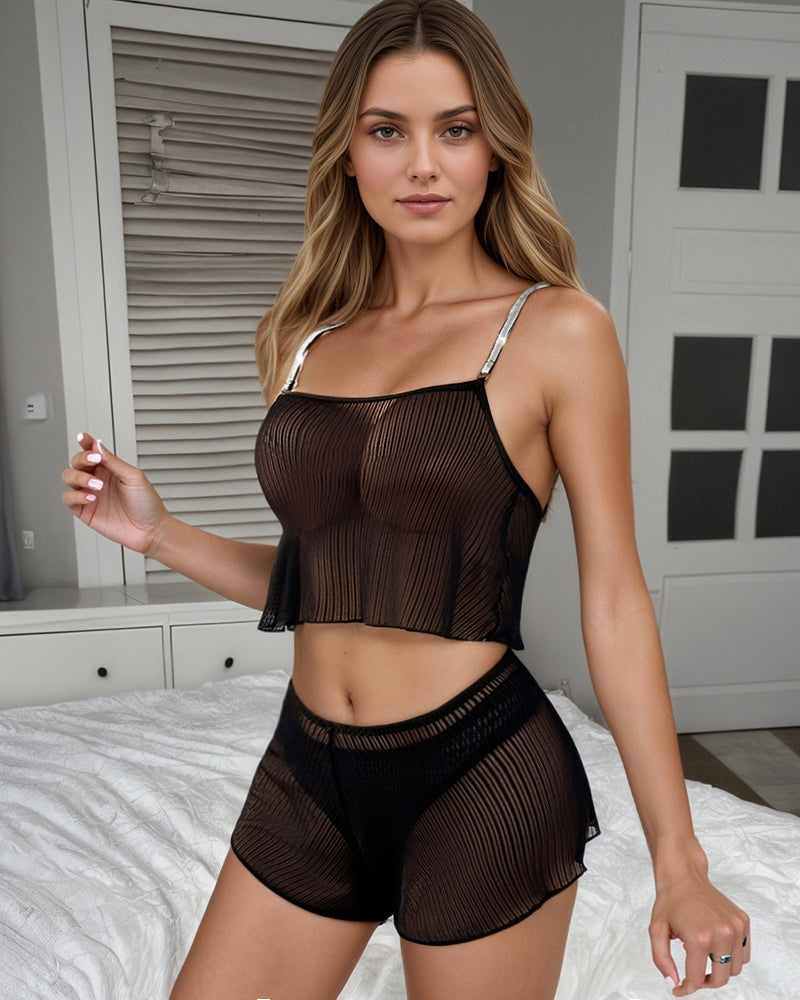
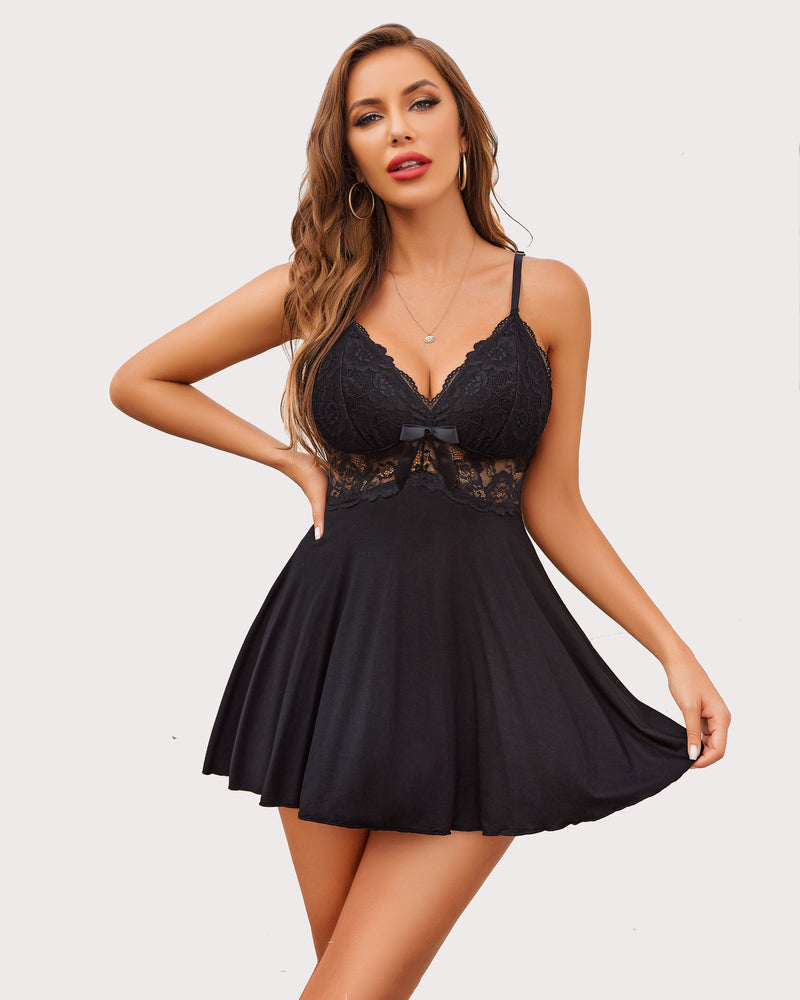
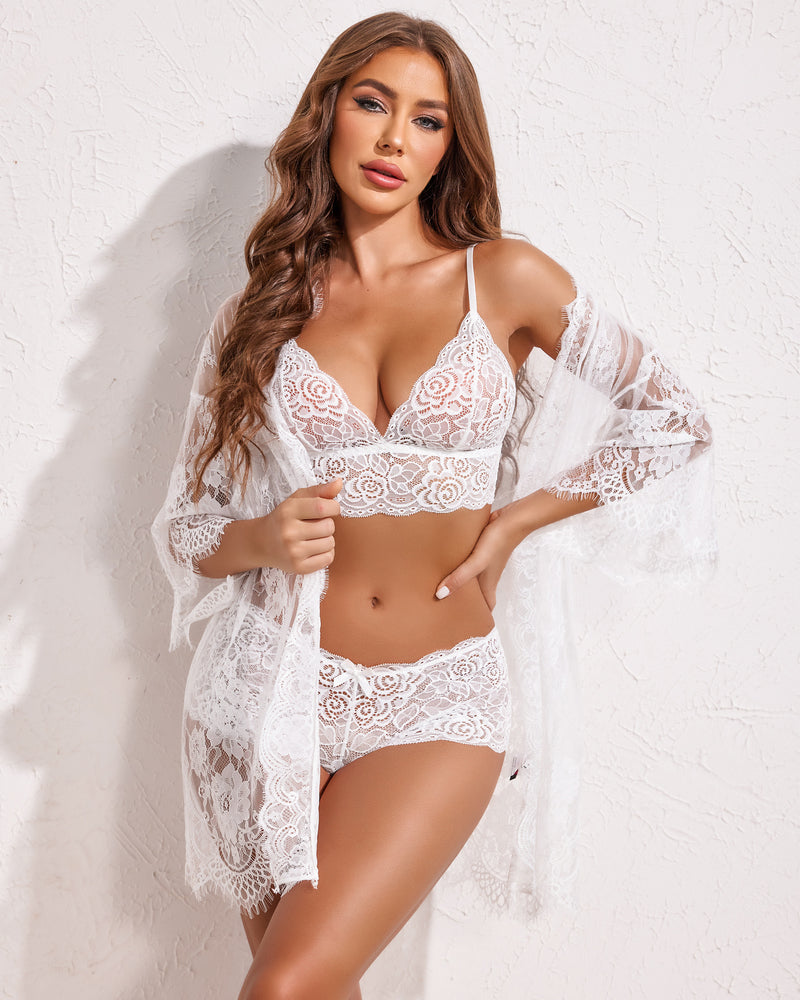


If your period keeps staining your pajamas and your sheets, it is not just heavy-flow drama—your sleepwear fabric is a big part of the problem. The right PJs will not stop your period, but they can shape where fluid goes, how far it spreads, and how comfortable you feel while it is happening.
How Pajama Fabric Fuels Leaks (or Fights Them)
When blood or sweat hits fabric, it either spreads, sticks, and stays clammy, or it gets pulled away from your skin and evaporates. That difference is mostly about fiber type, not how still or "ladylike" you slept.
Researchers point out that pajama fabric strongly affects sleep quality because it controls temperature regulation and comfort, which is why some sets feel dreamy and others feel like a damp swimsuit. If your PJs trap heat and moisture, you toss and turn more, which creates perfect conditions for a pad to shift and a leak to run.
Hormonal shifts such as PMS, postpartum changes, and perimenopause can add night sweats, so you are dealing with sweat plus blood, not just one or the other. That is why thermoregulating fabrics that draw heat and moisture away from your body are especially helpful when you are bleeding and overheated at 3:00 AM.
Best (and Worst) Period Pajama Fabrics
Your body is not "too sweaty" or "too leaky." Some fabrics just are not designed for what actually happens during a period.
Leak-friendlier heroes:
- Tencel / modal: Soft, breathable, and good at moving moisture off your skin instead of letting it sit and spread.
- Bamboo blends: Cooling, fast-wicking, and gentle on sensitive skin that is already irritated by pads or liners.
- Linen or hemp blends: Airy, quick-drying, and ideal if you run hot or get night sweats with your period.
- Lightweight merino wool: Surprisingly breathable and good at buffering moisture, especially in warm rooms.
More leak-prone villains:
- Cheap polyester and microfleece: Trap heat and sweat like plastic wrap, so leaks travel instead of drying.
- Heavy flannel: Cozy for cold nights, but in a warm bedroom plus period plus cramps, you end up feeling like a slow cooker.
- Standard cotton jersey used in big T-shirts or sweatshirts: Breathable, but it tends to soak and hold fluid, which can mean larger stains if you flood at night.
One nuance: some sources say lightweight, breathable silk can help regulate temperature, but if you deal with serious night sweats, silk often insulates and struggles once it gets damp. It usually works better for lighter-flow, cooler nights.

Your Leak-Smart Sleep Outfit Formula
Think of this as your period armor: absorb, block, and breathe.
There is now real tech in the underwear drawer—period underwear are built to absorb menstrual blood and keep you leak-proof, using absorbent layers plus a leak-resistant barrier. Some high-capacity styles can hold up to 4-6 tampons worth, especially in the gusset area, which is exactly where your pajama bottoms tend to fail.
Try this outfit on your heaviest nights:
- Base layer: High-rise period underwear or period sleep shorts with a full-coverage gusset and waterproof (PUL) backing.
- Pajama bottoms: Loose, breathable Tencel, bamboo, linen, or hemp shorts or pants that will not cling and that wick away sweat.
- Top: Anything soft and non-clingy in the same fabrics; comfort up top keeps you from fidgeting and dislodging your protection.
- Backup: Dark sheets or a reusable waterproof pad under your hips so one rogue gush does not turn into a full laundry crisis.
You are not overdoing it by stacking protection.

This is about peace of mind, not proving how tough you are.
Cleaning Up: Making Leaks Less of a Drama
Leaked on your favorite set? Annoying, yes. Ruined, usually no.
For period underwear and leak-savvy PJs, care matters more than you might think. Experts recommend delicate washes, no fabric softener, and air-drying to protect absorbent and barrier layers so they keep working cycle after cycle. Fabric softener, in particular, can coat fibers and make them repel liquid instead of absorbing it, which is the last thing you want at 2:00 AM.
Quick post-leak routine:
- Rinse in cold water as soon as you can until it runs mostly clear.
- Rub in a bit of gentle detergent or stain remover on the spot.
- Wash on a cool, gentle cycle with other dark items; skip bleach and fabric softener.
- Air-dry or tumble dry on low if the care label allows, since high heat can damage waterproof layers.
Your sleepwear should work as hard as your uterus does.

When you choose smarter fabrics and leak-focused layers, your period nights can feel a lot more like cozy self-care and a lot less like crime-scene cleanup.


 Secure Checkout


